
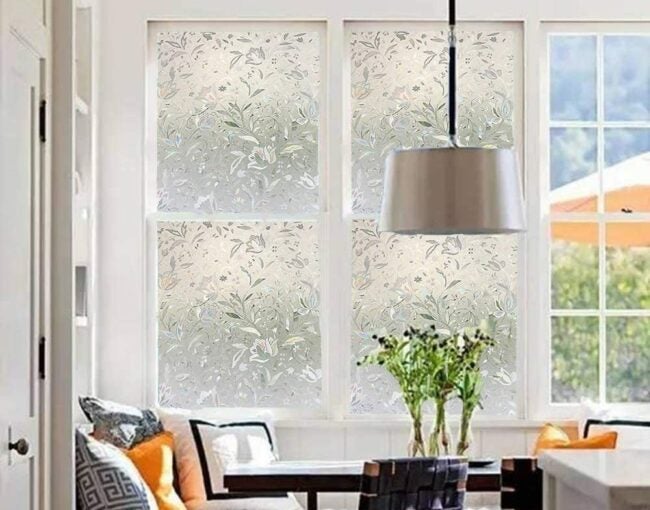
Choosing the right film for your windows can be a difficult task, especially if you’re unfamiliar with the different options available. It’s important to get it right, however, since the wrong film can lead to a lot of extra costs or can decrease the overall look of your home. This comprehensive guide will help you make an informed decision when selecting the right Film for Windows. You’ll learn about the different types of films, what features to look for, and how to install your chosen film.
We’ll also discuss some of the key benefits of window films so that you can be sure you’re getting the most out of your purchase. With this guide, you’ll be able to choose the perfect window film for your home and enjoy the benefits for years to come.
What is window film?
Window film is a type of decorative film that you can apply to the glass in your windows. It works just like any other type of film, with the main difference being that it is adhered to the inside of the window.
This makes window film an excellent choice if you’re looking to disguise any damage that may be present on the outside of your windows, such as scratches, chips, stains, or cracks. Film for Windows also comes in a wide variety of different styles, so you can pick a design that complements the style of your home.
Finally, window film can help regulate the temperature and UV rays inside your home, which can save you money and keep your family healthy. Window film can be applied to a number of different types of windows, including single-glazed, double-glazed, casement, awning, and sliding. Single-glazed windows have only one pane of glass, while double-glazed windows have two panes, each with a separate function.
Casement windows open outwards, while awning windows open inwards. Sliding windows are those that slide horizontally. The type of windows you have will influence the type of film you select.
Types of window films
There are many different types of Film for Windows, each with its own distinct benefits. Some of the most common window film types are listed below.
Privacy film – If you’re looking for a discrete solution to reduce or block the visibility of light from your home, a privacy film is an excellent solution. It prevents people outside from being able to see in and vice versa, making it an ideal choice for those who are renting or want to add privacy for their children.
Solar control film – Solar control film reduces the flow of UV rays into your home and keeps your interior cooler in hot weather. It also reduces glare from the sun, making it ideal for homeowners who work from home or individuals who need to do close-up work such as sewing or reading.
Security film – Security film can help protect your home from burglars by making it more difficult to break in. Some types of security film can even act as an alarm by emitting a high-pitched sound when broken.
Features to look for when selecting a window film
There are several key features to look for when selecting a window film. These include the type of film, the amount of light you want to pass through, and the desired aesthetic.
Type of film – There are many types of Film for Windows on the market, each with its own unique benefits. It’s important to choose a film that fits your needs and matches the aesthetic of your home.
Amount of light that passes through – Depending on your needs, you may want more or less light to pass through your windows. For example, solar control film reduces the flow of light through the window, while privacy film blocks light from passing through entirely.
Aesthetic – There are many styles of window film available that are designed to complement the style of your home. Choose a film that you’re happy with and that you feel matches your home.
How to install window film
Film for Windows can be easily applied to existing windows. Before you start, however, it’s important to make sure your windows are clean and free of debris. Remove any items that may be hanging in your windows and clean the windows thoroughly with soapy water.
Next, measure the length and width of each of your windows. Subtract an inch from each measurement, as it’s important to leave a little extra room around each window to ensure the film adheres correctly. Select your film and follow the manufacturer’s instructions for application. Once you’ve applied the film to your windows, you’ll need to heat-seal the edges of the film to ensure it sticks correctly.
Many types of film come with instructions for how to do this, but the best method is to use a heat gun. Hold the heat gun about 6 inches away from the edge of the film and slowly move the gun back and forth across the film. This will allow the heat from the gun to penetrate the film and seal it to the window without causing any damage.
Benefits of window films
There are many benefits associated with the use of Film for Windows. These include reduced glare, decreased heat in the home, protection from UV rays, reduced energy costs, and protection from burglary.
Reduced glare – Glare can make it difficult to see properly and can impair your vision. Window film can reduce glare by up to 90%, making it an excellent choice for those who work from home.
Decreased heat in the home – Window films can reduce the amount of heat in the home by up to 50%. This can help reduce your energy bills and make your home more comfortable.
Protection from UV rays – Window films can reduce the flow of UV rays into your home by up to 99%. UV rays are harmful to your skin and can cause sun damage.
Reduced energy costs – By reducing the amount of heat in your home, window films can help you reduce your energy bills.
Protection from burglary – Burglars can find it difficult to break into a home that has window film applied. This can make your home harder to break into and can help reduce the risk of theft.
How to choose the right window film for your home
There are many different factors to consider when choosing the right Film for Windows for your home. First, identify the benefits you’re looking for. Are you looking to reduce glare or are you hoping to protect your home from burglary? Once you’ve identified the benefits you’re looking for, you can start looking for the right films. You should also consider the style of your home when choosing window films.
Are there particular styles you’re hoping to incorporate into your house window tinting? Choose films that will blend seamlessly into your home and provide the benefits you’re looking for. You can also consult with an interior designer and ask for their advice on the best type of window film for your home.
Also conduct research online and read reviews from previous customers who have tried different types of window film. This will help you find the best film for your needs and will help you pick a style that blends seamlessly with the rest of your home.
Common mistakes to avoid when selecting window film
There are many common mistakes associated with the selection of window film. These include choosing the wrong type of film, not cleaning your windows before application, and neglecting to use a sealant.
Choose the wrong type of film – It’s important to choose the right type of Film for Windows for your home. If you select a film that is inappropriate for your situation, you’ll get little to no benefit from the film and may even cause damage to your windows.
Not cleaning your windows – It’s important to clean your windows thoroughly before applying window film. Any dirt or debris on the windows will prevent the film from adhering correctly and can damage the film.
Not using a sealant – It’s important to use a sealant with some types of window film. This will help the film stick correctly to your windows without causing any damage.
How to maintain window film
It’s important to maintain your Film for Windows to ensure they last as long as possible. In order to do this, you’ll need to clean your windows regularly and apply a sealant as needed. It’s also important to leave a minimum of 1/8 inch between each window film.
References:
- Electrochromics for smart windows: Oxide-based thin films and devices
https://www.sciencedirect.com/science/article/abs/pii/S004060901400128X - Optically-switchable thermally-insulating VO2-aerogel hybrid film for window retrofits
https://www.sciencedirect.com/science/article/abs/pii/S0306261920311594
Table of Contents