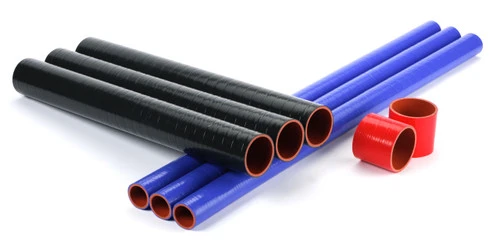
Silicone tubing is widely used across industries such as medical devices, pharmaceuticals, food processing, biotechnology, automotive systems, and industrial engineering. Because it plays a critical role in fluid handling, insulation, and protective applications, choosing the right manufacturer is essential for ensuring safety, performance, and long-term reliability. A poor selection can lead to product failure, compliance issues, and increased operational costs.
Selecting a suitable partner requires more than just comparing prices. Businesses must evaluate technical expertise, production capabilities, certifications, and service quality before making a decision. Many companies start their search by reviewing established Silicone Tube Manufacturer options to understand industry standards and identify manufacturers capable of meeting strict application requirements. This helps businesses narrow down their choices to suppliers that can deliver consistent quality and dependable performance.
Understand Your Application Requirements
The first step in choosing the right silicone tube manufacturer is clearly defining your application requirements. Different industries require different tubing characteristics, such as flexibility, chemical resistance, temperature tolerance, or biocompatibility.
For example, medical applications require high-purity, sterilization-resistant tubing, while industrial systems may prioritize durability and pressure resistance. Understanding your specific needs helps you identify manufacturers that specialize in the appropriate material grade and product design.
Evaluate Manufacturing Capabilities and Technology
A reliable manufacturer should have advanced production capabilities. Silicone tubing is typically produced using extrusion technology, which requires precision equipment to ensure consistent dimensions and quality.
Modern manufacturers use automated systems to control temperature, pressure, and curing processes. This ensures that the tubing maintains uniform wall thickness and structural integrity. When evaluating manufacturers, it is important to assess whether they have the technical infrastructure to handle both standard and custom production requirements.
Check Material Quality and Raw Material Sources
The quality of silicone tubing depends heavily on the raw materials used. High-quality manufacturers use medical-grade, food-grade, or industrial-grade silicone depending on the application.
Medical-grade silicone is essential for healthcare applications due to its biocompatibility, while food-grade silicone is used in processing environments where safety is critical. Industrial-grade silicone is designed for durability and chemical resistance. Manufacturers should be transparent about their material sourcing and provide documentation to verify quality.
Verify Certifications and Compliance Standards
Certifications are a key indicator of a manufacturer’s reliability and commitment to quality. Before making a decision, businesses should check whether the manufacturer holds certifications such as ISO 9001, ISO 13485, FDA compliance, and USP Class VI.
These certifications ensure that the manufacturing process meets international safety and quality standards. In regulated industries such as healthcare and food processing, certification is not optional but a mandatory requirement.
Assess Quality Control and Testing Procedures
A strong quality control system is essential when selecting a silicone tube manufacturer. Reliable manufacturers conduct inspections at every stage of production, including raw material testing, in-process monitoring, and final product evaluation.
Common tests include tensile strength analysis, elongation testing, pressure resistance checks, and chemical compatibility assessments. Manufacturers that maintain strict quality control systems are more likely to deliver consistent and defect-free products.
Consider Customization Capabilities
Many industries require customized silicone tubing to meet specific operational needs. A good manufacturer should offer flexibility in terms of diameter, wall thickness, hardness, color, and material formulation.
Customization is especially important in medical and industrial applications where standard products may not be sufficient. Manufacturers that provide engineering support and product development services can help create tailored solutions that improve performance and efficiency.
Evaluate Experience and Industry Expertise
Experience plays a major role in determining the reliability of a silicone tube manufacturer. Companies with long-term industry experience are more likely to understand complex requirements and deliver consistent results.
Manufacturers with expertise in specific sectors such as healthcare, pharmaceuticals, or food processing are particularly valuable because they are familiar with strict regulatory and performance standards.
Review Supply Chain and Delivery Reliability
Timely delivery is essential for maintaining smooth operations. Before selecting a manufacturer, businesses should evaluate their supply chain efficiency, production capacity, and logistics capabilities.
Manufacturers with well-organized supply chains and global distribution networks can ensure faster delivery and reduced downtime. This is especially important for businesses with continuous production cycles or large-scale operations.
Compare Pricing with Overall Value
While cost is an important factor, it should not be the only consideration. Low-cost options may compromise quality or reliability, leading to higher long-term expenses.
Instead of focusing solely on price, businesses should evaluate overall value, including product quality, certifications, durability, and service support. A slightly higher initial investment often results in better performance and lower maintenance costs over time.
Assess Customer Support and Communication
Strong communication and customer support are essential when working with a silicone tube manufacturer. Reliable manufacturers provide technical assistance, respond quickly to inquiries, and offer guidance throughout the purchasing process.
Good communication ensures that specifications are clearly understood and reduces the risk of errors or delays in production.
Conclusion
Choosing the right silicone tube manufacturer requires careful evaluation of multiple factors, including application requirements, manufacturing capabilities, material quality, certifications, customization options, and supply chain reliability. Each of these elements plays a crucial role in ensuring product performance and long-term operational success.
By selecting a manufacturer with strong technical expertise and a commitment to quality, businesses can secure reliable silicone tubing solutions that meet their specific needs and support efficient, safe, and consistent operations.
Table of Contents