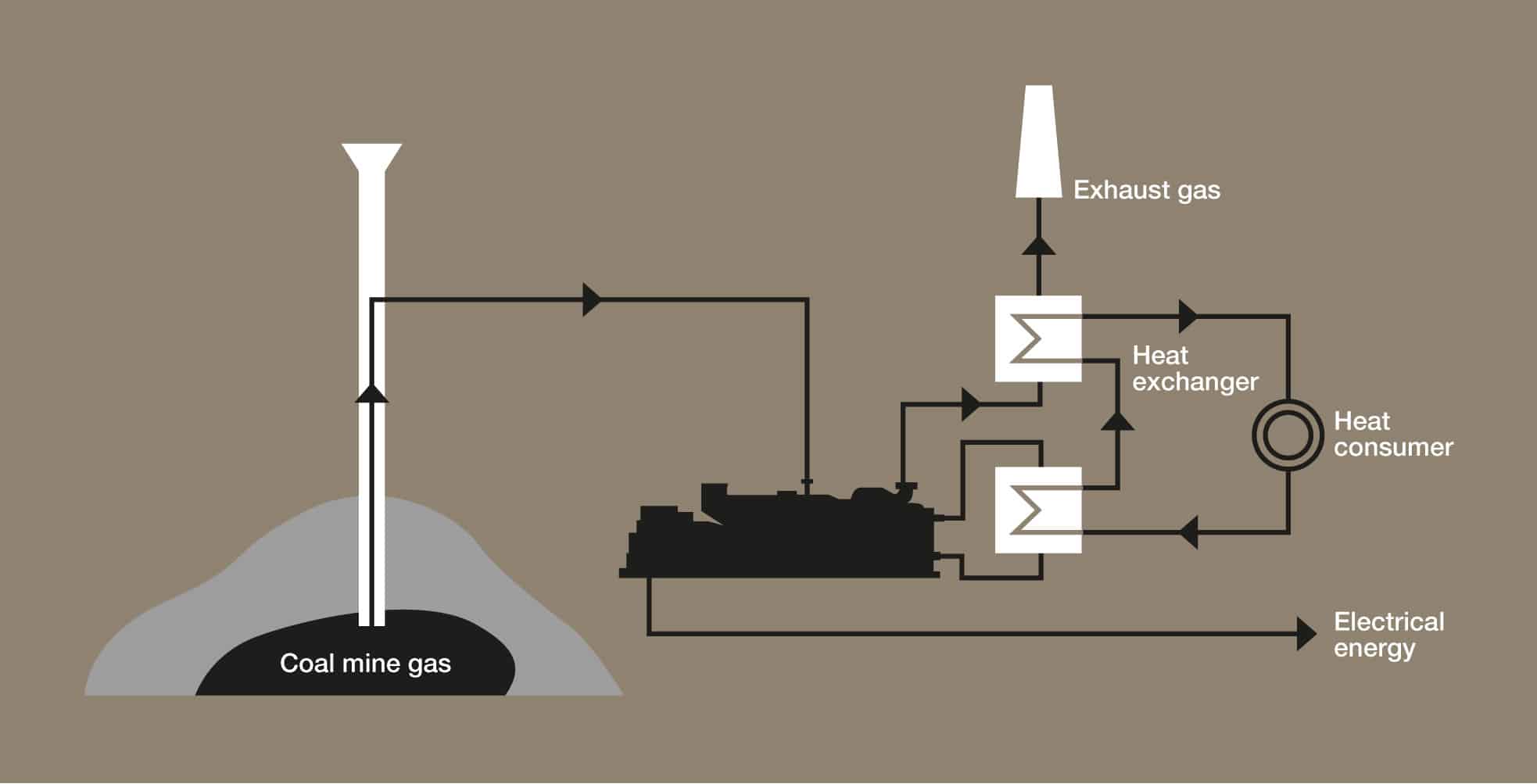
Industrial activities, while essential for economic growth, contribute significantly to environmental pollution, particularly through harmful emissions. These emissions include gases such as carbon dioxide (CO2), sulfur dioxide (SO2), nitrogen oxides (NOx), volatile organic compounds (VOCs), and particulate matter (PM), which can have devastating effects on both human health and the planet. To mitigate these impacts, industries must implement effective emission treatment methods. In this article, we explore innovative technologies and strategies used to minimize the environmental footprint of industrial emissions.
The Importance of Industrial Emission Treatment
Industrial emissions pose numerous challenges, including:
- Air Pollution: Emissions contribute to smog formation, acid rain, and respiratory diseases, significantly affecting air quality.
- Climate Change: Greenhouse gases like CO2 and methane (CH4) accelerate global warming, leading to rising sea levels and more extreme weather events.
- Health Impacts: Pollutants such as sulfur dioxide and nitrogen oxides can cause cardiovascular, respiratory, and neurological disorders.
- Regulatory Compliance: Governments worldwide are implementing stringent regulations to control emissions. Companies need to comply to avoid fines and maintain a sustainable reputation.
By adopting advanced emission treatment methods, industries can reduce their environmental impact, improve air quality, comply with regulations, and support global efforts to combat climate change.
Innovative Methods for Industrial Emission Treatment
Several advanced technologies are available to treat industrial emissions, each designed to address specific pollutants and improve efficiency. These methods are essential for minimizing the harmful effects of industrial activities and promoting sustainable practices.
1. Flue Gas Desulfurization (FGD)
Flue gas desulfurization is a process used to remove sulfur dioxide (SO2) from the exhaust gases produced by burning fossil fuels in power plants and industrial boilers. SO2 is a significant contributor to acid rain and respiratory problems.
How it Works:
FGD systems use a scrubbing process that involves a liquid solution, typically limestone slurry, to absorb sulfur dioxide. The cleaned gas is then released into the atmosphere, while the resulting byproduct, usually calcium sulfate, can be safely disposed of or used in other applications, such as gypsum production.
Benefits:
- Reduces SO2 emissions
- Minimizes acid rain formation
- Helps industries comply with air quality regulations
2. Selective Catalytic Reduction (SCR)
Selective catalytic reduction (SCR) is a widely used method for controlling nitrogen oxide (NOx) emissions, which are linked to air pollution, smog, and respiratory diseases. NOx is primarily produced from high-temperature combustion processes, such as those found in power plants, factories, and vehicles.
How it Works:
SCR technology uses a catalyst (typically made from metals like platinum or vanadium) and a reducing agent, usually ammonia or urea, to chemically convert NOx into harmless nitrogen and water vapor. The system works by injecting the reducing agent into the exhaust stream, where it reacts with NOx in the presence of the catalyst.
Benefits:
- Highly effective in reducing NOx emissions
- Improves air quality and reduces smog formation
- Can be integrated into existing combustion systems
3. Electrostatic Precipitation (ESP)
Electrostatic precipitation is a method used to control particulate matter (PM) emissions, such as dust, soot, and ash, from industrial processes. These particles can cause severe respiratory issues and contribute to environmental degradation.
How it Works:
In an ESP system, dust-laden gases are passed through a chamber where particles are charged with an electrostatic field. The charged particles are then attracted to collector plates, where they are removed from the gas stream and collected for disposal or recycling.
Benefits:
- Efficient at removing fine particles from exhaust gases
- Reduces air pollution and health risks related to particulate matter
- Helps industries meet particulate emission standards
4. Carbon Capture and Storage (CCS)
Carbon capture and storage is a critical technology in the fight against climate change. It involves capturing carbon dioxide (CO2) emissions from industrial processes, particularly those related to fossil fuel combustion, and storing it underground to prevent it from entering the atmosphere.
How it Works:
CO2 is captured from the exhaust gases produced by industries using various methods, such as absorption, adsorption, or membrane separation. The captured CO2 is then compressed and transported to a suitable storage site, such as deep underground geological formations, where it is stored indefinitely.
Benefits:
- Helps industries reduce their carbon footprint
- Essential for mitigating climate change
- Can be used in conjunction with enhanced oil recovery to improve energy efficiency
5. Biological Treatment
Biological treatment involves using microorganisms, such as bacteria and fungi, to break down pollutants in industrial effluents and emissions. This method is particularly effective for treating organic pollutants, such as volatile organic compounds (VOCs), which are common in industries like chemical manufacturing and petroleum refining.
How it Works:
Biological treatment typically occurs in bioreactors, where microorganisms are exposed to the pollutants. The microbes metabolize the pollutants, converting them into non-toxic compounds like carbon dioxide and water. This process is often enhanced through the use of biofilters, which provide an environment conducive to microbial growth.
Benefits:
- Environmentally friendly and sustainable
- Low energy requirements compared to traditional treatment methods
- Effective for treating organic pollutants in industrial effluents
6. Scrubbers
Scrubbers are used to remove harmful gases from industrial exhaust systems, particularly in industries like oil refining, chemical production, and power generation. Scrubbers are designed to remove a variety of pollutants, including sulfur dioxide, ammonia, and hydrogen chloride.
How it Works:
Scrubbers typically use a liquid solution (water or an alkaline solution) to “scrub” the pollutants from the gas stream. The pollutants dissolve or react with the solution, effectively removing them from the exhaust gases.
Benefits:
- Versatile and can treat a wide range of pollutants
- Can be customized to meet the specific needs of various industries
- Reduces harmful emissions and improves air quality
7. Membrane Separation Technology
Membrane separation technology is an advanced method used to separate gases, including CO2 and methane, from industrial emissions. This method is particularly useful for industries such as natural gas processing, biogas production, and chemical manufacturing.
How it Works:
Membranes with selective permeability are used to separate gases based on their molecular size and properties. CO2, for example, is separated from the other gases in the exhaust stream by passing the gas mixture through a membrane that allows CO2 to pass through while blocking other gases.
Benefits:
- Highly efficient and cost-effective for specific applications
- Allows for the recovery of valuable gases, such as CO2, for use in other processes
- Reduces emissions and supports the circular economy
The Benefits of Industrial Emission Treatment
The implementation of innovative emission treatment methods offers a wide range of benefits for industries, the environment, and society:
- Improved Air Quality:
Emission treatment reduces harmful pollutants in the air, leading to better air quality and improved public health. - Compliance with Regulations:
Treatment technologies help industries comply with ever-tightening environmental regulations, avoiding penalties and enhancing their reputation. - Mitigation of Climate Change:
Technologies like carbon capture and storage reduce greenhouse gas emissions, contributing to global efforts to combat climate change. - Sustainable Practices:
Many emission treatment methods are energy-efficient and can be integrated with renewable energy systems, promoting sustainability within industrial operations. - Cost Savings:
By treating emissions, industries can minimize waste, optimize resource use, and sometimes even recover valuable byproducts, contributing to cost savings and operational efficiency.
Future Trends in Industrial Emission Treatment
The future of industrial emission treatment is shaped by ongoing advancements in technology. Some emerging trends include:
- Automation and Digitalization:
The integration of AI and machine learning in emission treatment systems can optimize performance, reduce energy consumption, and improve monitoring. - Circular Economy Approaches:
More industries are exploring ways to not only treat emissions but also recycle and repurpose byproducts, contributing to a circular economy. - Carbon Utilization:
Beyond storage, captured CO2 is increasingly being used for applications like enhanced oil recovery, as a raw material for chemicals, and in agricultural processes. - Green Chemistry and Process Innovation:
New, cleaner production processes that generate fewer emissions and use more sustainable raw materials are being developed to reduce the need for extensive emission treatment.
Conclusion
Industrial emission treatment technologies play a crucial role in mitigating the environmental impact of industrial activities. By adopting innovative methods to reduce pollutants, industries can contribute to cleaner air, combat climate change, and operate more sustainably. With continued advancements in treatment technologies and growing pressure from environmental regulations, industries are poised to make significant strides toward minimizing their environmental footprint and fostering a more sustainable future.
Table of Contents