



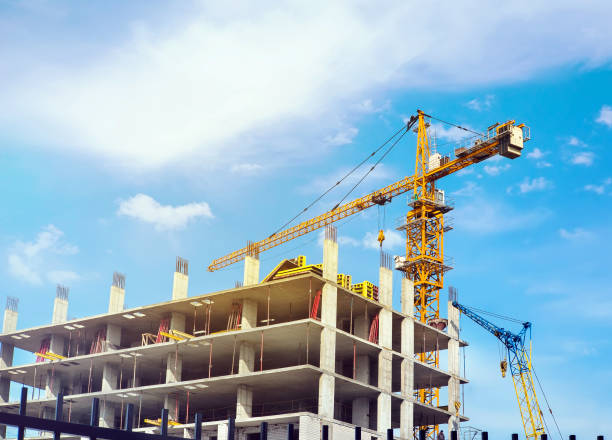
Urban areas around the world are growing at an unprecedented pace, and with this growth comes a host of challenges for construction projects. Managing infrastructure in densely populated cities requires creativity, adaptability, and a deep understanding of local and global dynamics. For an international construction company, tackling these issues means finding innovative solutions that balance expansion with sustainability and functionality.
Limited Space for Large-scale Developments in Dense Cities
As urban populations surge, available land for large-scale developments has become increasingly scarce. Densely populated cities face the challenge of maximizing the use of limited space while accommodating the infrastructure demands of growing populations. This often forces construction teams to rethink traditional designs and find ways to build vertically or repurpose existing structures.
An international construction company working in these settings must employ advanced planning techniques, such as modular construction and mixed-use developments, to make efficient use of space. These strategies allow for the integration of residential, commercial, and recreational areas within the same footprint, reducing the strain on limited urban land. By prioritizing innovation, global construction teams can help cities expand responsibly, without compromising on functionality or livability.
High Demand for Sustainable Building Materials
With urbanization comes an increased focus on sustainability. Expanding cities need to minimize their environmental impact while meeting the demands of modern infrastructure. This has created a significant demand for sustainable building materials that are durable, energy-efficient, and eco-friendly.
Global construction projects are increasingly incorporating materials such as recycled steel, low-carbon concrete, and green roofing systems to reduce their environmental footprint. An international construction company often works with local suppliers to source sustainable options that align with regional needs and availability. Beyond the materials themselves, sustainable practices—like reducing waste and conserving water during construction—play a crucial role in meeting environmental goals. This shift toward greener solutions not only supports the planet but also aligns with growing expectations from governments and communities.
Complex Zoning Regulations in Expanding Urban Areas
Zoning regulations can be a significant hurdle for construction projects, especially in cities experiencing rapid growth. These regulations dictate how land can be used, setting parameters for building heights, density, and usage types. For an international construction company, understanding and adhering to these complex rules is essential to avoid costly delays and legal issues.
In global construction, navigating these challenges requires a deep understanding of local regulations, as well as close collaboration with city planners and stakeholders. Experienced teams often work with legal and regulatory experts to streamline approvals and ensure compliance. By proactively addressing zoning requirements during the planning phase, construction companies can avoid setbacks and keep projects on track while meeting the unique needs of each urban area.
Rising Costs of Labor and Transportation
The costs of labor and transportation are rising worldwide, creating additional financial pressures for construction projects in expanding cities. Skilled workers demand competitive wages, and the logistics of transporting materials into densely populated areas can significantly increase expenses. For an international construction company, managing these costs while maintaining high-quality standards is a delicate balancing act.
One approach to mitigating these expenses involves optimizing supply chain logistics. By sourcing materials locally whenever possible, global construction teams can reduce transportation costs and support regional economies. Additionally, advanced project management tools and technologies can improve workforce efficiency, ensuring that projects are completed on time and within budget. Adapting to these economic realities is essential for delivering value to clients while staying competitive in a rapidly evolving industry.
Balancing Infrastructure Upgrades with Ongoing City Life
In bustling urban areas, construction doesn’t happen in isolation—it unfolds alongside daily city life. This creates unique challenges, as infrastructure upgrades must be completed without significantly disrupting residents, businesses, or traffic flow. For an international construction company, balancing these competing priorities requires careful planning and execution.
Techniques such as phased construction and nighttime work schedules are often employed to minimize disruptions. Advanced modeling tools can also help teams simulate potential impacts on traffic and utilities, enabling them to plan more effectively. Communication with local communities is another key component, as keeping residents informed about timelines and progress can help reduce frustration. By prioritizing the needs of the city’s inhabitants, global construction projects can achieve their goals without creating unnecessary strain on urban life.
Strain on Existing Utilities During Construction Projects
Expanding urban areas rely on aging utility networks, and construction projects can place additional strain on these systems. Whether it’s increased water demand, power consumption, or disruptions to communication networks, these challenges require careful management to avoid widespread issues.
To address this, global construction teams often work closely with utility providers to coordinate their activities and minimize interruptions. Upgrading utility infrastructure as part of the construction process is another effective strategy, ensuring that cities can meet future demands while addressing current challenges. For an international construction company, this collaborative approach ensures that projects not only enhance the urban landscape but also support the city’s long-term growth and sustainability.
Table of Contents

