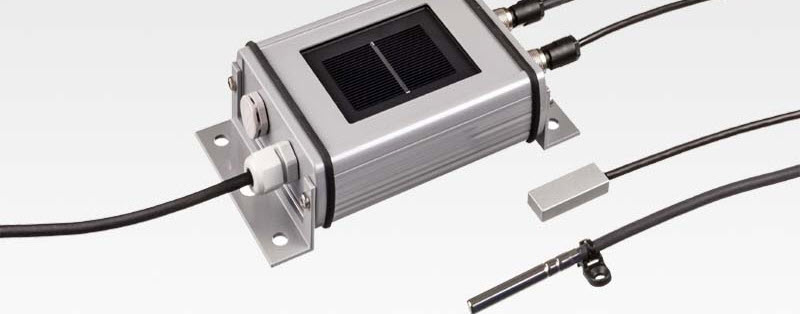
Solar radiation sensors are essential instruments in modern energy, environmental, and research applications. They measure the intensity of solar energy, enabling accurate monitoring of photovoltaic systems, weather forecasting, and climate studies. Over the years, advancements in sensor technology have significantly improved the accuracy, durability, and functionality of these devices. Innovations in materials, design, and digital integration have expanded their capabilities, making them indispensable tools in both commercial and scientific applications.
A Solar Radiation Sensor captures sunlight and converts it into measurable electrical signals, providing real-time information on solar irradiance. Traditional sensors were often limited in accuracy, response time, and environmental resilience. Recent innovations have addressed these limitations, enabling higher precision, improved spectral sensitivity, and integration with advanced monitoring systems. These improvements benefit solar energy projects, meteorological research, and environmental monitoring by delivering reliable, high-resolution data.
Enhanced Accuracy and Sensitivity
One of the primary innovations in solar radiation sensor technology is the enhancement of accuracy and sensitivity. Modern sensors utilize advanced photodiodes, thermopiles, and scintillation materials to detect a broader range of solar wavelengths. These improvements allow sensors to measure both global and direct radiation more precisely.
High-sensitivity sensors can detect subtle variations in sunlight, which is critical for optimizing solar panel positioning and predicting energy output. In research applications, this accuracy ensures that climate and environmental studies are based on reliable data. Enhanced sensitivity also enables sensors to function effectively under low-light conditions, such as early morning or cloudy weather, expanding their utility across diverse locations and environments.
Digital Integration and Smart Features
Innovations in digital technology have transformed solar radiation sensors from simple measurement devices into intelligent monitoring systems. Modern sensors often feature digital outputs, wireless connectivity, and compatibility with cloud-based data platforms. This allows for real-time monitoring, automated data logging, and remote access.
Smart solar radiation sensors can integrate with energy management systems to optimize solar panel performance automatically. For example, data from the sensor can guide solar trackers to adjust panel orientation for maximum energy capture. Additionally, digital integration allows for predictive maintenance, alerting operators to potential sensor malfunctions before they impact data quality or energy production.
Multi-Parameter Detection
Another key innovation is the development of multi-parameter sensors. Modern devices can simultaneously measure solar irradiance, UV radiation, temperature, and other environmental parameters. This comprehensive approach is particularly valuable for agricultural monitoring, climate studies, and research on energy efficiency.
Multi-parameter sensors reduce the need for multiple devices, lowering installation and maintenance costs while providing a complete dataset. By combining measurements, operators can analyze correlations between sunlight intensity, temperature, and other environmental factors, leading to better decision-making in solar energy management and environmental planning.
Durability and Environmental Resistance
Solar radiation sensors are often deployed outdoors, where they are exposed to extreme temperatures, moisture, dust, and UV radiation. Recent innovations have focused on improving durability and environmental resistance. Advanced housings, anti-corrosion coatings, and protective glass surfaces enhance the longevity and reliability of sensors in harsh environments.
High-end sensors now include features such as temperature compensation and self-cleaning coatings to maintain accuracy despite environmental challenges. These innovations reduce maintenance requirements and ensure consistent performance over years of outdoor operation, making them ideal for large-scale solar farms and long-term climate monitoring projects.
Miniaturization and Portability
Advances in miniaturization have led to smaller, lighter, and more portable solar radiation sensors. Compact sensors are easier to deploy in various locations, including remote research sites, urban environments, and portable solar testing units. Despite their reduced size, these devices retain high accuracy and sensitivity, making them suitable for both professional and educational applications.
Portability also supports temporary installations and mobile monitoring systems, allowing researchers and engineers to collect data across multiple sites efficiently. This flexibility is particularly beneficial for environmental studies, solar energy feasibility assessments, and field experiments.
Cost Efficiency and Accessibility
Technological innovations have also reduced the cost of solar radiation sensors without compromising performance. Affordable, high-precision sensors are now accessible to smaller solar projects, research institutions, and educational facilities. Lower costs facilitate broader adoption and encourage the integration of solar radiation monitoring into a wider range of applications, including community solar initiatives and citizen science programs.
Conclusion
Innovations in solar radiation sensor technology have significantly enhanced accuracy, sensitivity, durability, and versatility. Modern sensors integrate digital features, multi-parameter detection, and environmental resistance, making them reliable tools for energy, research, and environmental monitoring. Miniaturization and cost reduction have expanded their accessibility, enabling a broader range of applications. By leveraging these technological advancements, solar energy projects, climate research, and environmental monitoring initiatives can achieve more precise measurements, optimize performance, and make informed decisions based on high-quality data.
Table of Contents