



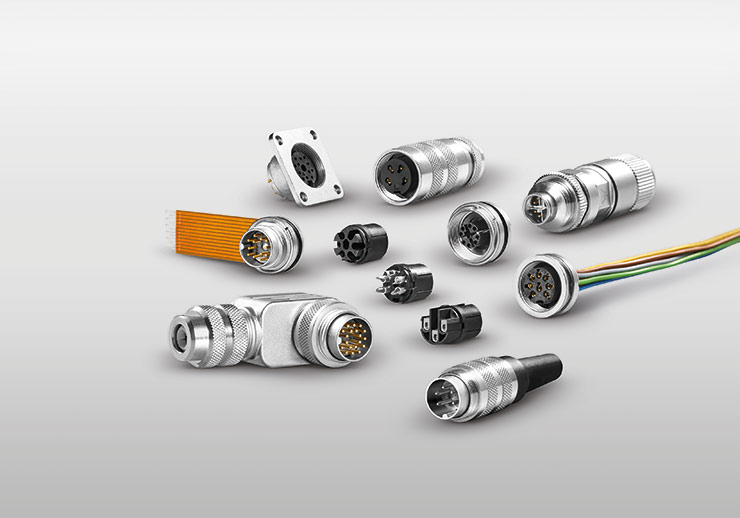
In modern industrial and automation systems, connectors play a critical role in ensuring reliable power and signal transmission between devices. Among the various types of circular connectors, M16 connectors are known for their robust design and versatility. These connectors are commonly used in manufacturing, automation, robotics, and other industries where secure electrical connections are essential, particularly in demanding environments.
M16 connectors are circular connectors with a 16-millimeter threaded coupling, offering a larger size and higher current capacity than smaller connectors like M8 or M12. This makes them suitable for applications that require increased electrical performance or more complex wiring configurations. The M16 Connector is widely recognized for its durability and adaptability, and detailed product options and specifications of the M16 Connector demonstrate how it is engineered to meet the rigorous requirements of industrial operations.
Design and Construction Features
M16 connectors feature a circular housing with a threaded coupling that ensures secure and vibration-resistant connections. They typically include multiple pins, ranging from 3 to 12 or more, depending on the specific application. The larger housing and thread size compared to smaller connectors provide enhanced mechanical stability, making M16 connectors suitable for heavy-duty industrial use.
The contacts are usually made of high-conductivity metals such as copper alloys and may feature gold or nickel plating to reduce contact resistance and prevent corrosion. Connector housings can be made from durable plastic or metal, with metal housings offering additional protection against mechanical impact and electromagnetic interference. This combination of sturdy materials and precise engineering ensures that M16 connectors maintain reliable performance in challenging conditions.
Electrical Specifications
One of the key advantages of M16 connectors is their ability to handle higher voltage and current levels compared to smaller connectors. They are typically used in applications requiring voltages up to 250 V and currents ranging from 4 A to 16 A, depending on the number of pins and wire gauge. This makes them ideal for supplying power to motors, actuators, and other industrial devices while also carrying control signals.
M16 connectors also provide high insulation resistance and low contact resistance, ensuring efficient signal and power transmission. Their design minimizes the risk of short circuits, voltage drops, and electrical interference, which is particularly important in automated systems where precise operation is critical.
Environmental Protection and Durability
Industrial applications often expose connectors to harsh environmental conditions, including dust, moisture, vibration, and extreme temperatures. M16 connectors are typically rated with high ingress protection levels, such as IP65 or IP67, to resist water and dust ingress. Properly installed, they can withstand heavy vibration, mechanical shock, and exposure to oils or chemicals, making them highly reliable in demanding manufacturing and automation environments.
The sealing is achieved through integrated O-rings or gaskets that maintain the connector’s integrity even under repeated mating and unmating cycles. This durability reduces maintenance requirements and ensures consistent performance over the long term.
Industrial Applications of M16 Connectors
M16 connectors are widely used in various industrial sectors due to their robustness and versatility. In industrial automation, they connect sensors, actuators, motors, and control devices, enabling precise monitoring and control of manufacturing processes. Their higher current rating allows them to supply power to equipment while also transmitting control signals.
In robotics, M16 connectors are often used to provide reliable connections between moving robotic arms and their control systems. The combination of mechanical stability and electrical reliability is critical in applications that require frequent motion and continuous operation.
In transportation and heavy machinery, M16 connectors provide dependable electrical connections in environments with vibration, dust, and exposure to liquids. They are also commonly used in factory equipment, conveyor systems, and packaging machinery, where secure and reliable connectivity is essential for efficient operation.
Advantages Over Smaller Connectors
Compared to smaller connectors such as M8 or M12, M16 connectors offer several advantages. Their larger size accommodates higher current and voltage levels, as well as more pins for complex wiring configurations. They provide increased mechanical strength and improved environmental protection, making them more suitable for heavy-duty industrial applications.
Additionally, M16 connectors allow for more flexibility in cable routing and strain relief, which reduces the likelihood of connector damage in high-stress installations. This makes them a preferred choice when both reliability and durability are priorities.
Installation and Maintenance Considerations
Proper installation is critical to ensure the long-term reliability of M16 connectors. Connectors should be aligned carefully to avoid cross-threading, and torque specifications provided by the manufacturer should be followed. Regular inspections for wear, corrosion, or damage help maintain performance and prevent system downtime.
Cleaning and maintenance should follow manufacturer guidelines, particularly in environments with dust, oils, or chemicals. Using connectors within their electrical and environmental specifications ensures safe operation and reduces the risk of failure.
Conclusion
M16 connectors are a versatile and robust solution for industrial and automation applications requiring secure and reliable electrical connections. Their larger size, higher current and voltage ratings, and durable construction make them ideal for connecting sensors, actuators, motors, and control devices in challenging environments. By understanding their design, specifications, and applications, engineers and technicians can select the right M16 connector to enhance system efficiency, reliability, and longevity.
Table of Contents

