



In the midst of our busy modern lives, finding time for self-care and reflection is more important than ever. Daily stress from work, family responsibilities, and constant digital distractions can lead to mental fatigue, physical tension, and emotional strain. While short vacations or casual breaks provide temporary relief, they often fail to address the underlying imbalance in mind, body, and spirit.
Yoga retreats offer an ideal solution. Unlike traditional holidays, yoga retreats are thoughtfully designed to help individuals step away from their daily routines, reconnect with themselves, and nurture holistic wellness. By blending mindful movement, meditation, nutritious meals, and reflection, these retreats offer participants a unique opportunity to recharge physically, mentally, and emotionally.
What Makes Yoga Retreats Unique
Yoga retreats are immersive experiences that focus on the integration of mind, body, and spirit. These retreats combine yoga practice, guided meditation, breathwork, and wellness activities in a supportive environment. Unlike regular vacations, they provide structured schedules that encourage mindfulness and self-awareness.
Participants are encouraged to leave behind external distractions, including technology and daily obligations, allowing them to fully focus on personal growth and rejuvenation. This intentional break from everyday life creates space for clarity, calm, and transformation.
Physical Benefits of Yoga Retreats
A major advantage of yoga retreats is the opportunity for physical rejuvenation. Daily yoga sessions help release tension, improve flexibility, and strengthen muscles in a mindful and balanced manner. Unlike high-intensity exercise routines, retreats focus on gentle, controlled movements that promote longevity and prevent injury.
Participants often notice improvements in posture, mobility, and overall energy levels. Stretching and strengthening exercises reduce stiffness, ease chronic aches, and improve blood circulation. Over the course of a retreat, the body feels lighter, more aligned, and energized.
Breathing Practices for Mind-Body Connection
Breathwork, or pranayama, is a core element of yoga retreats. Shallow or irregular breathing is common in stressful lifestyles, which can contribute to anxiety and fatigue. Retreats teach participants conscious breathing techniques to calm the nervous system, boost focus, and reduce tension.
These skills become invaluable tools for managing stress in daily life. Learning to control the breath enhances mindfulness, emotional regulation, and mental clarity, long after the retreat concludes.
Mental Clarity and Emotional Balance
Yoga retreats provide a serene environment for mental rejuvenation. By stepping away from constant notifications, work demands, and social obligations, participants create mental space for self-reflection. Meditation and mindfulness practices cultivate awareness, reduce mental clutter, and help participants gain insight into their thoughts and emotions.
The resulting clarity allows for better decision-making, improved focus, and a more positive mindset. Participants frequently leave retreats feeling calm, centered, and better equipped to handle life’s challenges.
Emotional Healing and Self-Reflection
Yoga retreats also encourage emotional healing. Through guided practices, journaling, and self-reflection, participants can explore their emotions safely and without judgment. This process promotes self-compassion, resilience, and a deeper understanding of personal challenges and patterns.
Many attendees report breakthroughs in emotional awareness, stronger relationships, and a renewed sense of purpose. These retreats provide a unique opportunity to reconnect with one’s inner self and heal from emotional stressors.
The Restorative Power of Nature
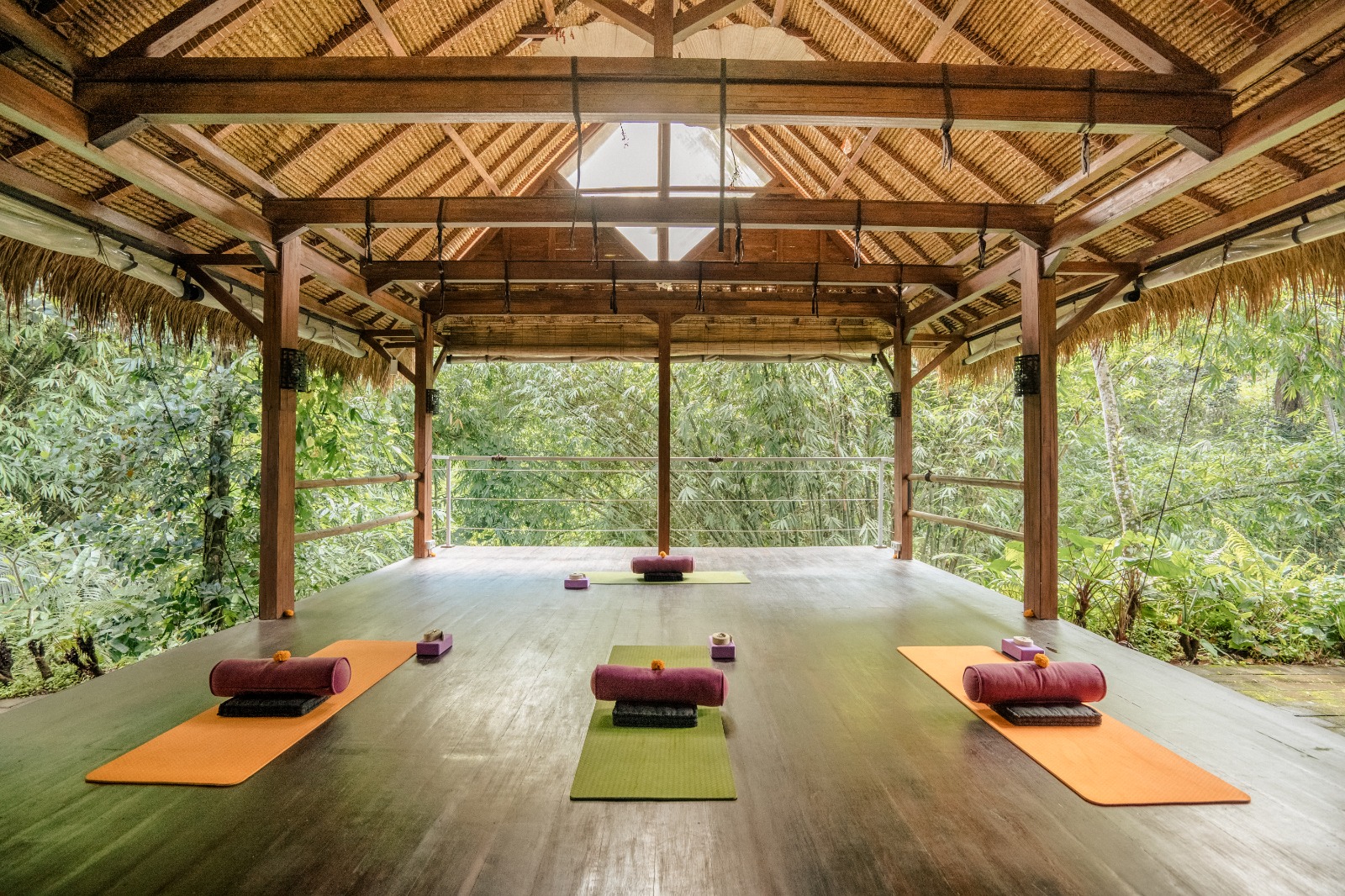
Many yoga retreats are hosted in serene natural environments, such as beaches, mountains, or forests. Nature enhances the healing benefits of yoga by providing tranquility, fresh air, and calming scenery. Outdoor yoga sessions, nature walks, and quiet reflection amid natural surroundings deepen mindfulness and support physical and emotional restoration.
Immersion in nature encourages grounding, balance, and a stronger connection between body, mind, and environment, making the retreat experience more transformative.
Nutrition for Holistic Wellness
Nutrition plays a significant role in yoga retreats. Meals are typically prepared with fresh, wholesome ingredients designed to nourish the body and provide sustained energy. Mindful eating allows participants to reconnect with their body’s needs and develop healthier habits.
Understanding how food affects mood, energy, and overall wellness can inspire long-term dietary changes that support a holistic lifestyle. Mindful nutrition complements yoga practice, contributing to the overall restorative experience.
Community and Connection
While yoga retreats emphasize individual growth, they also provide opportunities for meaningful social connection. Participants share yoga sessions, group meals, and wellness activities in a supportive, non-competitive environment.
The sense of community fosters encouragement, motivation, and belonging. Many attendees form lasting friendships and support networks that continue to positively impact their wellness journey long after the retreat ends.
Inclusivity for All Levels
Yoga retreats are designed for participants of all experience levels. Beginners receive guided support and modifications, while advanced practitioners can deepen their practice through challenging routines.
The emphasis is on self-growth and awareness rather than performance, making retreats accessible and rewarding for everyone, regardless of age, fitness, or experience.
Integrating Retreat Lessons Into Daily Life
The true power of a yoga retreat lies in its lasting impact. Participants leave with practical techniques, including meditation practices, mindful breathing, and gentle yoga routines, which can be incorporated into everyday life.
By maintaining these practices, participants continue to experience the physical, emotional, and mental benefits gained during the retreat. This creates a sustainable path to long-term wellness, resilience, and self-awareness.
Conclusion
In a world that rarely slows down, attending a yoga retreat is a deliberate choice to prioritize self-care and personal growth. These retreats provide more than temporary relaxation—they offer holistic rejuvenation, mental clarity, emotional healing, and a deeper connection with oneself.
Through mindful yoga practice, conscious breathing, emotional reflection, nourishing meals, and community support, participants rediscover balance, resilience, and inner peace. For anyone seeking meaningful and lasting wellness, yoga retreats provide a transformative journey to recharge, reconnect, and restore harmony from within.
Table of Contents

