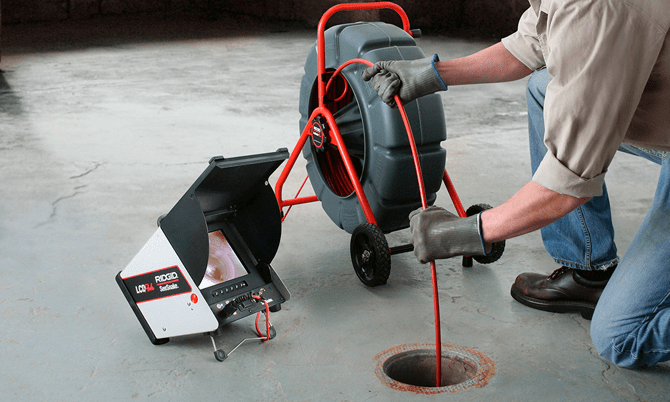
Selecting the right pipe inspection camera is essential for effective pipeline maintenance and troubleshooting. With a wide range of models available, understanding the key features that impact performance, durability, and usability can help operators make informed decisions. A high-quality camera ensures accurate detection of blockages, leaks, and structural defects while improving inspection efficiency and reducing maintenance costs.
Image Quality and Resolution
The primary function of a pipe inspection camera is to provide clear visuals of the interior of pipes. High-resolution imaging is crucial for identifying minor cracks, corrosion, or blockages that may otherwise go unnoticed. Advanced systems, such as the Pipe Inspection Camera, offer full-color video capture with adjustable lighting, allowing operators to see even in dark or murky conditions. Clear images improve diagnostic accuracy and support more precise repair planning.
Flexibility and Maneuverability
A flexible and maneuverable camera is vital for inspecting pipelines with bends, tight angles, and varying diameters. Cameras equipped with flexible push rods or cables can navigate complex systems without getting stuck or causing damage. Articulated or pan-and-tilt camera heads enhance maneuverability by allowing operators to adjust viewing angles remotely, providing a comprehensive view of difficult-to-reach areas. This feature is especially important in residential and commercial networks with intricate layouts.
Durability and Waterproofing
Pipe inspection cameras are often exposed to harsh conditions, including water, chemicals, and debris. Choosing a camera with robust construction and waterproofing ensures reliable performance under challenging environments. Reinforced housings, corrosion-resistant materials, and sealed connectors prevent damage to internal electronics and optics, extending the camera’s lifespan. Durability reduces downtime, maintenance costs, and the risk of equipment failure during inspections.
Cable Length and Pipe Compatibility
The length of the camera cable or push rod directly impacts the range of inspection. Longer cables allow operators to reach distant sections of pipelines without repositioning the system, which is essential for larger commercial or municipal networks. Additionally, it is important to consider the camera’s diameter and compatibility with different pipe sizes. A versatile camera can inspect a wide range of pipelines, from small residential drains to industrial sewer systems.
Lighting and Visibility Features
Adequate lighting is critical for obtaining clear footage in dark pipelines. Most modern pipe inspection cameras come with built-in LED lights that illuminate the inspection area. Adjustable brightness settings allow operators to optimize visibility without overexposing the image. Some cameras also offer features like auto-adjustment to compensate for varying pipe conditions, ensuring consistent and reliable inspection results.
Ease of Operation and User Interface
An intuitive user interface and ergonomic controls improve the efficiency of inspections. Features such as remote pan-and-tilt control, video recording, snapshot capture, and on-screen measurement tools make it easier for operators to navigate pipelines and document findings. Portable monitors and touchscreen interfaces simplify camera handling, reducing operator fatigue during extended inspections and enhancing productivity.
Recording and Reporting Capabilities
The ability to record video footage and capture still images is essential for documentation, analysis, and reporting. Many cameras allow for annotated recordings, creating a clear record of defects, blockages, or leaks. These capabilities support communication with clients, facility managers, or regulatory bodies and aid in planning maintenance or repairs based on accurate visual evidence.
Power Supply and Battery Life
Reliable power supply is critical for uninterrupted inspections. Battery-powered cameras should offer sufficient runtime to complete inspections of both residential and commercial systems. Some models include rechargeable batteries with quick-swap capabilities, reducing downtime. For larger systems, plug-in or external power options may be preferred to ensure continuous operation during long inspections.
Additional Advanced Features
Some pipe inspection cameras include advanced capabilities such as wireless connectivity, AI-assisted defect detection, or integration with mobile devices and cloud platforms. These features enhance efficiency, allow remote monitoring, and provide analytical tools for faster decision-making. While not essential for all applications, advanced features can add significant value in complex or high-volume inspection environments.
Conclusion: Choosing the Right Camera for Effective Inspections
Selecting the right pipe inspection camera requires careful consideration of image quality, flexibility, durability, lighting, and operational features. By understanding the specific needs of your residential, commercial, or municipal plumbing systems, you can choose a camera that ensures accurate, efficient, and safe inspections. A well-chosen pipe inspection camera enhances problem detection, reduces maintenance costs, and supports proactive management of pipeline networks, making it an indispensable tool for modern plumbing and infrastructure maintenance.
Table of Contents