



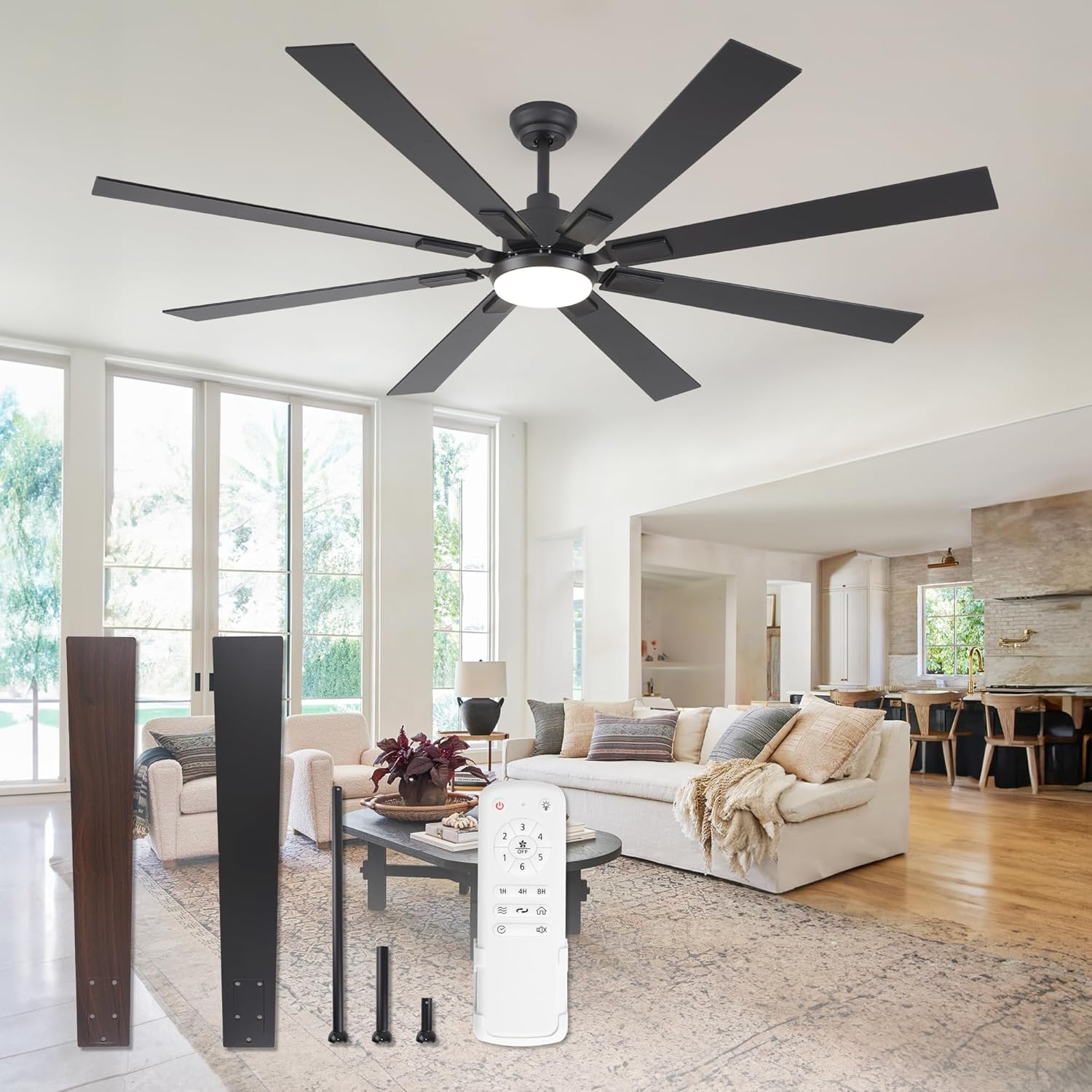
In today’s world, comfort and energy efficiency are two priorities that influence the design of homes, workplaces, and public facilities. One technology that has quietly revolutionized indoor climate control is the use of oversized ceiling fans. Unlike traditional small fans, these large-scale models deliver superior airflow, reduce energy costs, and create healthier environments for people to live and work in.
Understanding the Role of Big Fans
The term Big Fans often refers to high-volume, low-speed (HVLS) fans that are designed to move massive amounts of air efficiently. These fans differ from standard ceiling fans in both size and performance. With blade spans often exceeding several meters, they cover a wide area with minimal energy consumption. The result is consistent air circulation that enhances comfort while supporting sustainable energy practices.
How Big Fans Work
At their core, large fans operate on a simple principle: move a greater volume of air at a slower speed. While traditional fans spin faster and circulate air within a small radius, big fans generate steady airflow across entire spaces. This allows them to equalize temperatures, reduce humidity, and complement heating, ventilation, and air conditioning (HVAC) systems. By lowering the workload of air conditioning units, they help cut down electricity usage significantly.
Advantages of Using Oversized Ceiling Fans
The growing popularity of big fans can be attributed to the numerous benefits they provide:
- Energy Efficiency: They reduce reliance on air conditioning, leading to lower energy bills.
- Enhanced Comfort: By improving air circulation, they prevent hot or cold spots in large spaces.
- Healthier Air Quality: Proper ventilation minimizes stagnant air, lowering the risk of mold growth.
- Versatility: They can be installed in diverse environments, from homes and offices to warehouses and gyms.
- Sustainability: Their ability to cut energy usage makes them eco-friendly choices for modern buildings.
Applications Across Different Spaces
One of the standout features of large fans is their versatility. They are no longer limited to industrial facilities but are increasingly being installed in commercial and residential settings.
1. Industrial and Warehousing
In factories and warehouses, air circulation can make a huge difference in worker productivity and comfort. Large fans help regulate temperature in vast, open spaces while reducing the load on HVAC systems.
2. Offices and Workspaces
Modern offices prioritize comfort to boost productivity. Oversized fans ensure that employees remain comfortable without blasting the air conditioning throughout the day.
3. Sports and Recreational Facilities
From gymnasiums to indoor courts, maintaining airflow is crucial for both performance and hygiene. Large fans keep athletes and spectators cool while improving overall air quality.
4. Residential Homes
Even in homes, big fans can be valuable. They add an aesthetic appeal to living rooms or patios while offering an energy-efficient way to stay cool during warmer months.
Big Fans vs. Traditional Cooling Systems
When compared to traditional fans or air conditioning systems, oversized ceiling fans stand out for their efficiency and reach. While air conditioners consume significant amounts of electricity and focus primarily on cooling air, big fans rely on air movement to create a cooling effect across large areas. This not only cuts down costs but also ensures a more natural and comfortable indoor climate.
Environmental Impact
As the global conversation shifts toward sustainability, technologies that reduce carbon footprints are gaining attention. Big fans are eco-friendly because they require less energy than air conditioners while still providing effective cooling. In addition, when paired with existing HVAC systems, they optimize energy use, helping organizations meet green building standards and environmental certifications.
Considerations Before Installation
Before choosing a large fan, it’s important to evaluate certain factors:
- Space Size: The fan size must match the dimensions of the room or facility.
- Ceiling Height: Proper clearance is necessary to ensure efficient airflow.
- Energy Requirements: Understanding power consumption helps in making cost-effective choices.
- Design and Aesthetics: Many big fans are designed to complement modern architecture.
Taking these elements into account ensures maximum efficiency and comfort.
Long-Term Investment Value
While the upfront cost of big fans may be higher than standard options, their long-term value is undeniable. Reduced energy bills, increased comfort, and improved productivity in workplaces all contribute to significant savings over time. In many cases, the initial investment is quickly offset by the reduction in cooling costs.
The Future of Airflow Solutions
With growing emphasis on sustainability and smart building design, the demand for efficient cooling solutions is expected to rise. Big fans are likely to play a central role in shaping future environments. Innovations in blade design, smart controls, and integration with building automation systems are already making these fans more efficient and user-friendly.
Conclusion
The rise of oversized ceiling fans demonstrates how simple yet effective innovations can transform the way we approach comfort and energy use. By offering superior airflow, cutting costs, and supporting sustainable practices, big fans have established themselves as an essential feature in modern spaces. Whether in homes, offices, or industrial facilities, they prove that comfort and efficiency can go hand in hand, creating healthier and more sustainable environments for everyone.
Table of Contents

