



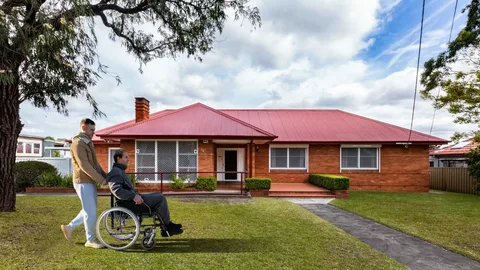
Living independently and confidently is something many people strive for, and for individuals with disabilities, life skills development plays a key role in reaching that goal. Life skills aren’t just about learning practical routines—they’re about building self-esteem, increasing independence, and enhancing overall quality of life. With the right strategies, support, and mindset, people with disabilities can thrive in their daily lives and create a future full of possibilities.
In this blog, we’ll explore why life skills matter, practical strategies that work, and how supportive services and environments help foster independence.
Why Life Skills Matter
Life skills are the everyday abilities that allow people to manage their homes, health, and social lives effectively. For individuals with disabilities, these skills open the door to greater independence, helping them:
- Build confidence in managing personal needs
- Strengthen decision-making skills
- Improve communication and social interactions
- Take part in community activities
- Enjoy a sense of autonomy and control over their lives
By focusing on these essential skills, people are better equipped to live fulfilling lives while reducing reliance on constant assistance.
Common Life Skills That Build Independence
Some life skills are universal, while others are tailored to an individual’s specific needs and circumstances. The most important areas often include:
- Personal care: Managing hygiene, grooming, and dressing
- Household tasks: Cooking, cleaning, laundry, and organization
- Money management: Budgeting, paying bills, and saving
- Social skills: Building friendships, resolving conflicts, and effective communication
- Employment readiness: Time management, problem-solving, and teamwork
- Health management: Scheduling medical appointments, taking medications, and practicing healthy routines
Each skill adds another layer of independence, creating a foundation for long-term growth.
The Role of Supportive Environments
Even with strong personal determination, a supportive environment is vital for success. Safe, accessible living spaces help individuals practice skills without unnecessary barriers. For families and individuals in South Australia, options like ndis housing adelaide provide tailored environments that balance independence with essential support. These housing solutions not only ensure safety and comfort but also empower people to practice and grow their life skills daily.
Strategies That Work: Building Life Skills Step by Step
Developing life skills is most effective when approached gradually and consistently. Here are proven strategies that make a difference:
1. Break Tasks Into Smaller Steps
Large tasks can feel overwhelming. By breaking them into smaller, manageable steps, individuals can focus on one part at a time. For example, instead of “cleaning the kitchen,” break it down into wiping the counter, washing dishes, and sweeping the floor.
2. Use Visual Aids and Reminders
Visual schedules, checklists, or color-coded systems are great tools for learning routines. They provide structure and reduce anxiety about forgetting steps.
3. Practice Through Role-Playing
Role-playing helps prepare for real-life situations, like grocery shopping or job interviews. It builds confidence and improves problem-solving in safe, supportive settings.
4. Encourage Repetition and Consistency
Consistency is key when developing new skills. Practicing regularly helps strengthen memory and builds long-term habits.
5. Celebrate Progress
Acknowledging even small achievements boosts motivation and self-esteem. Positive reinforcement encourages continued growth.
Technology as a Learning Tool
Technology offers powerful ways to support skill development. Smartphones, apps, and smart home devices can be customized to meet different needs. Some examples include:
- Reminder apps: Great for medication, appointments, and daily tasks
- Cooking apps: Step-by-step guides to prepare simple, healthy meals
- Budgeting tools: Apps that help manage spending and savings
- Smart speakers: Voice commands to control lights, reminders, or music
Technology doesn’t replace learning but makes daily life smoother and more manageable.
The Role of Families and Caregivers
Families and caregivers play a central role in fostering independence. Their guidance, encouragement, and patience help individuals practice new skills while ensuring safety. Some helpful approaches include:
- Providing opportunities to practice tasks instead of doing them automatically
- Encouraging problem-solving rather than giving quick solutions
- Offering constructive feedback with kindness
- Respecting choices and allowing room for mistakes as part of learning
When caregivers act as mentors instead of doing everything for the person, it builds confidence and independence.
Building Social and Community Connections
Life skills go beyond personal tasks—they also involve engaging with the wider community. Social connections help individuals develop communication skills, build friendships, and feel a sense of belonging.
Community programs, volunteer opportunities, and group activities provide safe spaces for practicing these skills. Being part of community life also fosters resilience, reduces isolation, and opens doors to new opportunities.
Housing Options That Support Growth
Where a person lives greatly influences their independence. Accessible housing provides the foundation for practicing daily routines confidently. Families looking for supportive living arrangements often explore disability housing Adelaide, where environments are designed to accommodate individual needs while promoting autonomy.
These housing solutions not only ensure safety but also encourage the practice of skills like cooking, cleaning, and self-management—vital for long-term independence.
Employment and Life Skills
Workplaces also provide valuable opportunities for developing life skills. Employment builds confidence, creates financial independence, and improves social networks. Skills such as time management, teamwork, and communication grow naturally in job settings, reinforcing daily living capabilities.
Employment programs and supported workplaces are excellent pathways for individuals to practice life skills while contributing meaningfully to their communities.
Creating a Future of Independence
Life skills development is not a one-time lesson but a lifelong journey. By combining personal determination, supportive environments, and structured strategies, individuals with disabilities can grow steadily toward independence. Every skill mastered is a step closer to greater freedom and confidence.
The goal is not perfection—it’s progress. Whether it’s learning to cook a favorite meal, managing a budget, or building lasting friendships, each achievement enriches daily life and brings a deeper sense of fulfillment.
Final Thoughts
Life skills are the building blocks of independence. For people with disabilities, mastering these skills creates a pathway to greater freedom, confidence, and community participation. From practical routines to social engagement, every strategy contributes to a more empowered life.
With supportive housing, patient caregivers, and opportunities for growth, individuals can thrive both at home and beyond. By investing time, encouragement, and resources into life skills development, we create a world where everyone has the chance to live with dignity, choice, and joy.
Table of Contents

