



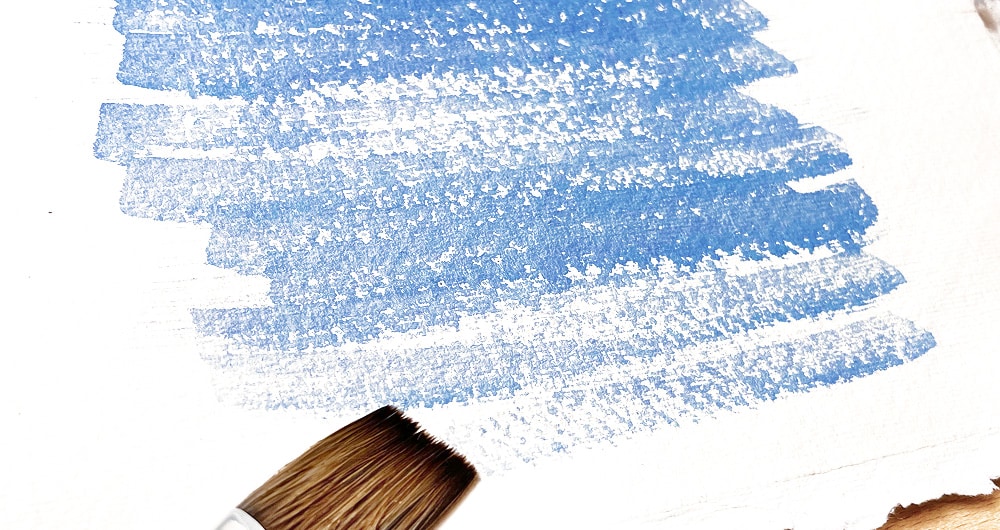
Brush painting is one of the most fundamental and versatile methods of applying paint, suitable for a variety of surfaces including walls, furniture, trim, and decorative projects. Achieving a smooth, professional finish requires more than simply dipping a brush into paint; it involves understanding brush types, techniques, and proper preparation. By mastering brush painting, both DIY enthusiasts and professional painters can achieve clean, precise results that enhance the overall quality of any project.
For those looking for high-quality brushes and painting tools, platforms like Brush Painting offer a wide selection of durable brushes designed for different paints and surfaces. Using the right brush ensures even paint application, reduces streaking, and makes the painting process more efficient and enjoyable.
Choosing the Right Brush
Selecting the correct brush is the first step toward professional brush painting. Brushes vary in shape, size, and bristle type, each suited for specific applications.
- Flat Brushes: Ideal for large, flat surfaces such as walls, doors, and panels. They hold more paint and provide smooth, even strokes.
- Angled Brushes: Also called sash brushes, they are perfect for cutting in around edges, corners, and trim. Their diagonal bristles allow for precise control and clean lines.
- Round Brushes: Best for decorative work, detailing, and touch-ups, offering versatility for both broad and fine strokes.
- Bristle Type: Synthetic bristles are suitable for water-based paints, while natural bristles are ideal for oil-based paints and varnishes. Choosing the right combination of brush shape and bristle type improves coverage and reduces effort.
Preparing the Surface
Surface preparation is critical for achieving a professional finish. Begin by cleaning the surface thoroughly to remove dust, grease, or old paint residue. Smooth surfaces may require light sanding to promote adhesion, while rough or porous surfaces might benefit from a primer. Properly prepared surfaces allow paint to adhere evenly and last longer, minimizing imperfections.
Mask off areas that should remain unpainted using painter’s tape and protective sheets. This ensures clean edges and reduces the risk of accidental splatters.
Loading the Brush Correctly
Correctly loading the brush prevents drips and ensures even coverage. Dip the brush about one-third to half of its bristle length into the paint, tapping off excess paint on the side of the container. Avoid overloading, which can cause runs, or underloading, which can result in streaks. Proper loading allows for consistent strokes and a smooth finish.
Brush Painting Techniques
Mastering key brush painting techniques is essential for clean, professional results:
1. Smooth, Even Strokes
Use long, consistent strokes in one direction, either vertically or horizontally, depending on the surface. Overlap each stroke slightly to maintain a wet edge, preventing lap marks and uneven texture.
2. Cutting In
Cutting in refers to painting edges, corners, and trim with precision. Use an angled brush, steady hand, and short strokes to achieve clean lines. Maintaining a light touch prevents paint from spilling onto adjacent surfaces.
3. Feathering
Feathering involves lightly blending strokes at the edges of painted sections to create a smooth transition. This technique is particularly useful when painting large walls or areas requiring multiple coats.
4. Avoiding Streaks
To prevent streaks, avoid pressing too hard on the brush. Apply light, consistent pressure and allow the bristles to glide across the surface. Using multiple thin coats instead of one thick coat ensures even coverage.
Cleaning and Maintenance
Proper cleaning and maintenance extend the life of your brushes and ensure consistent performance. Clean brushes immediately after use according to the paint type: warm soapy water for water-based paints and mineral spirits or paint thinner for oil-based paints. Store brushes flat or upright in a dry area to maintain bristle shape and prevent damage.
Troubleshooting Common Issues
Even experienced painters may encounter challenges such as streaks, uneven coverage, or paint build-up. Address these issues by sanding lightly between coats, using the correct brush and bristle type, and maintaining proper stroke technique. Taking the time to correct imperfections results in a more polished and professional finish.
Final Thoughts
Mastering Brush Painting techniques is essential for achieving clean, smooth, and professional results on any painting project. Selecting the right brush, preparing surfaces properly, using correct loading and stroke techniques, and maintaining brushes carefully all contribute to superior outcomes. With practice and attention to detail, brush painting becomes a precise and rewarding method, allowing painters to enhance both the aesthetic quality and durability of their work. High-quality tools, combined with proper techniques, make the difference between a basic paint job and a professional-level finish.
Table of Contents

