Introduction
Medical imaging equipment, including MRI machines, CT scanners, X-ray systems, and ultrasound devices, relies heavily on precise electrical and data connections. These devices require high-speed signal transmission, consistent power delivery, and reliable mechanical connections to operate effectively. One of the key components ensuring the performance and reliability of imaging equipment is the medical device connector. These connectors provide stable, accurate, and durable connections, which are essential for producing high-quality diagnostic images and supporting critical patient care.
The Role of Connectors in Imaging Equipment
Medical device connectors serve as the interface between sensors, imaging modules, processors, and display systems. High-quality connectors maintain signal integrity, reduce electrical noise, and ensure uninterrupted power delivery. In complex imaging systems, where large volumes of data are processed in real time, connector performance directly impacts image clarity and device reliability. For medical device manufacturers seeking dependable solutions, medical device connectors are designed to meet the demanding requirements of imaging equipment, providing precise alignment, robust contacts, and resistance to environmental stressors. These connectors are integral to the accuracy and efficiency of modern diagnostic tools.
Types of Connectors Used in Imaging Devices
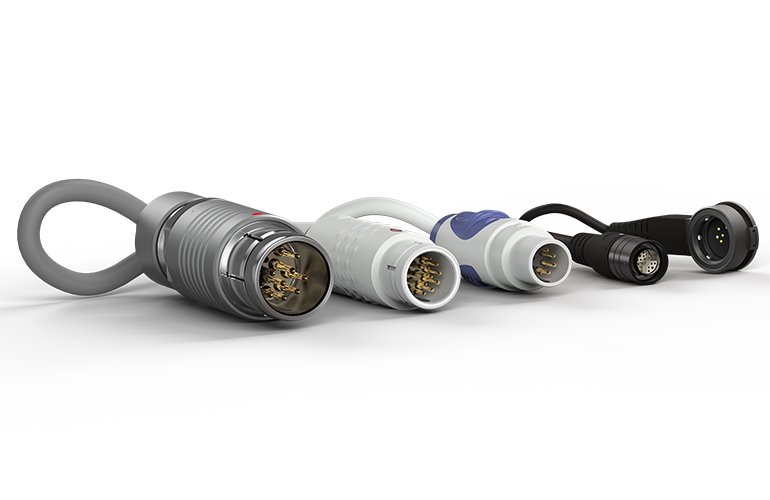
Imaging equipment utilizes various types of connectors depending on the function and data requirements. Circular connectors are popular for their durability and ability to handle multiple signal paths in a compact form. Rectangular connectors are used for high-density applications, allowing multiple signals to be transmitted simultaneously with minimal space requirements. High-speed data connectors are specifically designed to handle the rapid transfer of imaging data from sensors to processors, ensuring accurate and timely image processing. Modular connectors enable easy replacement or upgrading of device modules without compromising connectivity.
Electrical Performance Requirements
The electrical performance of connectors in imaging devices is critical. Connectors must have low contact resistance to ensure minimal power loss and heat generation. They should maintain high signal integrity to prevent noise or interference from affecting the quality of medical images. Shielding is often incorporated to protect sensitive signals from electromagnetic interference (EMI), which is particularly important in MRI or CT equipment that operates in environments with multiple electronic devices. Reliable connectors help ensure that imaging devices produce consistent, high-resolution results essential for accurate diagnosis.
Mechanical Design and Durability
Imaging equipment connectors must withstand frequent connection cycles, mechanical stress, and potential vibrations during operation or transport. Robust mechanical designs, secure locking mechanisms, and precise alignment features ensure connectors maintain reliable contact over time. Additionally, materials used in connectors, such as gold-plated contacts and high-performance insulating plastics, provide durability and resistance to corrosion. Connectors in imaging devices often endure repeated sterilization or cleaning cycles, making material selection and durability critical for maintaining device reliability.
Customization for Imaging Applications
Given the complexity of modern imaging systems, connectors are often customized to meet specific requirements. Custom connectors may accommodate unique pin configurations, specialized shielding, or high-density layouts to support advanced imaging functions. Manufacturers work closely with medical device developers to design connectors that optimize space, electrical performance, and durability. Customized solutions also allow imaging devices to remain compact while incorporating multiple functionalities, such as simultaneous power, signal, and data transfer within a single connector interface.
Regulatory Compliance and Safety
Connectors used in medical imaging equipment must meet stringent regulatory standards, including ISO 13485 for quality management and IEC 60601 for electrical safety. Compliance ensures that connectors operate safely and reliably under clinical conditions. Biocompatibility, insulation integrity, and electrical isolation are all essential considerations to prevent patient harm and equipment malfunction. Using certified and tested connectors reduces the risk of failures, enhances device longevity, and supports hospital compliance with regulatory requirements.
Impact on Diagnostic Accuracy and Patient Care
High-quality medical device connectors are essential for accurate imaging and reliable diagnostics. Poor-quality or unreliable connectors can lead to signal loss, interference, or inaccurate imaging results, potentially affecting patient care. By providing consistent electrical performance and mechanical stability, connectors enable imaging equipment to deliver clear, high-resolution images that support precise diagnoses and informed treatment decisions. Reliable connectors also reduce maintenance costs and downtime, improving operational efficiency in hospitals and imaging centers.
Conclusion
Medical device connectors are critical components in imaging equipment, ensuring reliable signal transmission, consistent power delivery, and mechanical stability. From circular and rectangular connectors to high-speed and custom designs, these components support the advanced functions required in modern imaging devices. By combining robust electrical performance, durability, and regulatory compliance, medical device connectors enhance diagnostic accuracy, improve patient outcomes, and maintain the efficiency of healthcare operations. Investing in high-quality connectors is essential for hospitals and medical device manufacturers seeking to maximize the performance and reliability of imaging equipment.
Table of Contents