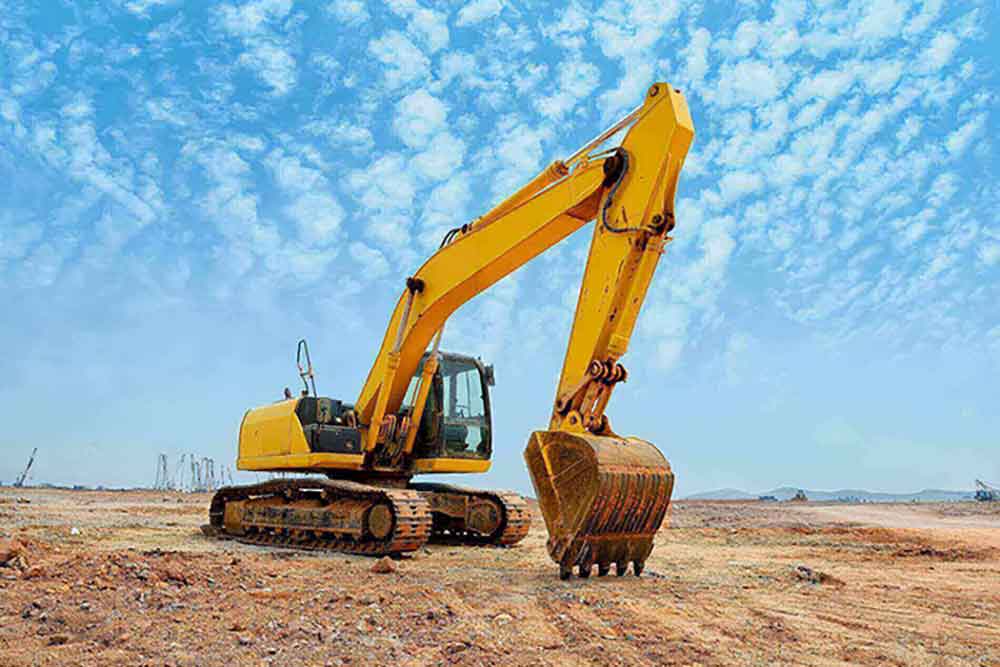
The construction industry is undergoing rapid transformation, driven by urban expansion, technological advancement, and the growing need for efficient and adaptable machinery. Among the most important developments in this sector is the evolution of compact machinery, particularly mini excavators. These machines are essential for modern construction projects due to their ability to operate in confined spaces while delivering strong performance.
Innovation in compact machinery design has become a defining factor in how manufacturers compete and succeed in the global market. As construction demands become more complex, manufacturers are focusing on improving efficiency, durability, and versatility in mini excavator design.
The Role of Innovation in Compact Machinery Development
Innovation is the driving force behind the advancement of mini excavators. Manufacturers are continuously improving machine design to meet the needs of modern construction environments, where space limitations and efficiency requirements are critical.
A leading Mini Excavator Manufacturer plays a crucial role in shaping these innovations by integrating advanced engineering techniques, smart systems, and high-performance components into compact machines.
A trusted Mini Excavator Manufacturer focuses on creating machines that combine power, precision, and compact design, allowing operators to perform complex tasks in tight and challenging environments. These innovations directly contribute to improved productivity and reduced operational costs on construction sites.
Advancements in Hydraulic System Design
One of the most significant innovations in compact machinery design is the improvement of hydraulic systems. Modern mini excavators rely on advanced hydraulic technology to deliver smooth, precise, and efficient operation.
Manufacturers are now using load-sensing hydraulic systems that automatically adjust power distribution based on workload. This improves fuel efficiency and enhances machine responsiveness.
These advancements allow operators to perform delicate tasks such as grading and trenching with greater accuracy, while still maintaining the power needed for heavy-duty excavation work.
Compact Structural Engineering Improvements
Compact machinery design requires a careful balance between size and performance. Manufacturers are continuously refining structural engineering to make machines smaller without compromising strength or durability.
High-strength steel and reinforced frameworks are now commonly used to improve machine stability and resistance to wear and tear. This ensures that mini excavators can operate in harsh environments while maintaining structural integrity.
Innovative design techniques also help reduce machine weight, making transportation easier and improving fuel efficiency during operation.
Integration of Smart Technology in Mini Excavators
Smart technology has become a major innovation in compact machinery design. Modern mini excavators are equipped with electronic control systems that enhance precision and operational efficiency.
These systems allow operators to monitor machine performance in real time, including fuel consumption, hydraulic pressure, and maintenance requirements. This data-driven approach helps reduce downtime and improve productivity.
Some advanced models also include semi-automated features that assist with repetitive tasks, improving accuracy and reducing operator fatigue.
Enhancing Operator Comfort and Efficiency
Operator comfort is a key focus in modern compact machinery design. Manufacturers understand that comfortable operators are more productive and less prone to errors.
Modern mini excavators feature ergonomic cabins with improved seating, intuitive controls, and enhanced visibility. These design improvements reduce fatigue during long working hours and increase overall efficiency.
Reduced vibration systems and noise insulation further improve the working environment, making machines suitable for extended use in both urban and rural construction projects.
Fuel Efficiency and Environmental Innovation
Environmental responsibility is becoming increasingly important in the construction equipment industry. Manufacturers are developing mini excavators that consume less fuel and produce fewer emissions.
Advanced engine systems and optimized hydraulic technology contribute to improved fuel efficiency. These innovations help reduce operating costs while supporting environmental sustainability goals.
Electric and hybrid mini excavators are also emerging as part of the industry’s shift toward greener construction solutions. These machines are particularly useful in urban areas where noise and emissions must be minimized.
Multi-Functionality and Attachment Compatibility
Another key innovation in compact machinery design is the development of multi-functional machines. Modern mini excavators are designed to support a wide range of attachments, including buckets, breakers, augers, and grapples.
This versatility allows a single machine to perform multiple tasks such as digging, lifting, drilling, and demolition. It reduces the need for multiple pieces of equipment on-site, saving both time and cost.
Quick attachment systems also make it easier for operators to switch between tools, improving overall job site efficiency.
Durability and Long-Term Performance Enhancements
Durability remains a critical factor in compact machinery design. Manufacturers are focusing on improving machine lifespan through the use of high-quality materials and advanced engineering processes.
Reinforced components and corrosion-resistant materials help machines withstand harsh working conditions, including dust, moisture, and heavy loads.
These durability improvements ensure long-term reliability and reduce maintenance requirements, making mini excavators a cost-effective investment for contractors.
Digital Monitoring and Predictive Maintenance
Digital innovation is transforming how mini excavators are maintained and operated. Predictive maintenance systems are now being integrated into modern machines to detect potential issues before they lead to breakdowns.
These systems analyze machine data and alert operators when maintenance is required. This helps prevent unexpected downtime and extends machine lifespan.
Remote monitoring also allows fleet managers to track multiple machines, improving overall equipment management and efficiency.
Conclusion
Innovation in compact machinery design has significantly transformed the mini excavator industry. Manufacturers are continuously improving hydraulic systems, structural engineering, smart technology integration, and operator comfort to meet the evolving demands of modern construction.
These advancements have made mini excavators more efficient, versatile, and environmentally friendly, allowing them to play a crucial role in urban and rural development projects.
As technology continues to evolve, mini excavator manufacturers will remain at the forefront of innovation, shaping the future of compact construction equipment and ensuring that machines become even more capable, efficient, and sustainable.
Table of Contents