Introduction
The Nag Tibba trek is a popular trekking destination in India, located in the Uttarakhand region. It is a short and easy trek, making it an ideal choice for beginners and those who want to experience trekking in the Himalayas.
The trek starts from Pantwari village and covers a distance of approximately 8 km to reach the Nag Tibba summit, which stands at an altitude of 9,915 feet. The trek is usually completed in two days, with an overnight stay at the base camp.
The Nag Tibba trek is a great way to experience the local culture and lifestyle of the region. You will pass through several small villages and hamlets, where you can interact with the locals and learn about their customs and traditions. The villagers are warm and friendly and will welcome you with open arms.
The trek is relatively easy, but it does require a good level of fitness. It involves walking for several hours a day, and there are a few steep inclines and descents along the way. Nonetheless, anyone can accomplish the trek with the right planning and training.
What is the best at Nag Tibba Trek
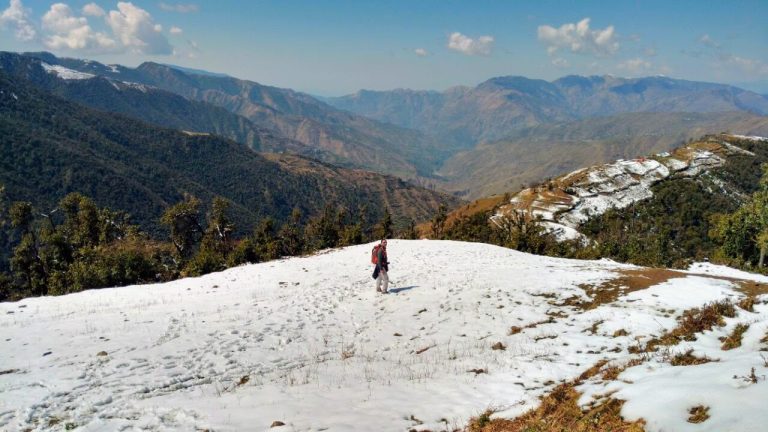
One of the best experiences that people have had during the Nag Tibba trek is the stunning views of the surrounding mountain ranges. The trek takes you through dense forests and up to the summit, which offers breathtaking panoramic views of the Himalayas. The sunrise and sunset views from the summit are particularly stunning and are a highlight of the trek. The trek offers stunning views of the surrounding mountain ranges, including the Bandarpoonch peak, Swargarohini, Kedarnath peak, and Gangotri peaks. A variety of birds and other animals can be found in the deep woods of oak, rhododendron, and deodar trees that you pass through on the journey.
Another great experience is the opportunity to interact with the locals and learn about their culture and lifestyle. The trek takes you through several small villages and hamlets, where you can observe their traditional way of life and customs. The locals are warm and welcoming, and you can gain a lot of insight into their daily lives by talking to them.
Camping is another great experience during the Nag Tibba trek. You can choose to camp at one of the several camping sites along the way and enjoy
the peaceful surroundings. The campsites offer basic facilities like toilets and food stalls, and you can spend your evenings sitting around a campfire, enjoying the company of fellow trekkers.
The Nag Tibba trek is also a great way to challenge yourself physically and mentally. The trek involves walking for several hours a day and requires a good level of fitness. However, with proper preparation and training, anyone can complete the trek. The sense of accomplishment that comes with completing the trek can be a life-changing experience.
Best time for the Nag Tibba trek
The best time to undertake the Nag Tibba trek is from November to April. The period offers stunning views of the neighbouring mountains due to the great weather and bright skies. The temperature during the day is around 15-20 degrees Celsius, while the nights can get chilly, with temperatures dropping to as low as 0 degrees Celsius.
The monsoon season from July to August should be avoided as the region receives heavy rainfall, making the trekking trails slippery and dangerous. The trails can also get blocked due to landslides, making it difficult to access the trekking route. In the winter months of December to February, the region receives heavy snowfall, making the trekking trail inaccessible. The temperatures can drop below freezing, making it extremely cold, and the trek can be challenging due to the heavy snow.
The trek is also popular for camping, and several camping sites are available along the way. You can choose to carry your own camping gear or rent it from the local vendors. The campsites offer basic facilities like toilets, running water, and food stalls.
The Nag Tibba trek is a great way to disconnect from the chaos of city life and connect with nature. It is an excellent opportunity to rejuvenate your mind and body and escape the stresses of everyday life. The trek offers a sense of accomplishment and a feeling of self-discovery, making it a life-changing experience.
Conclusion
while it is subjective to label the Nag Tibba trek as the “best” trek in India, it is undoubtedly a beautiful and memorable trekking experience. With its stunning views, rich culture, and easy accessibility, it is an excellent choice for anyone who wants to experience the thrill of trekking in the Himalayas.
Checkout: more awesome content
Table of Contents