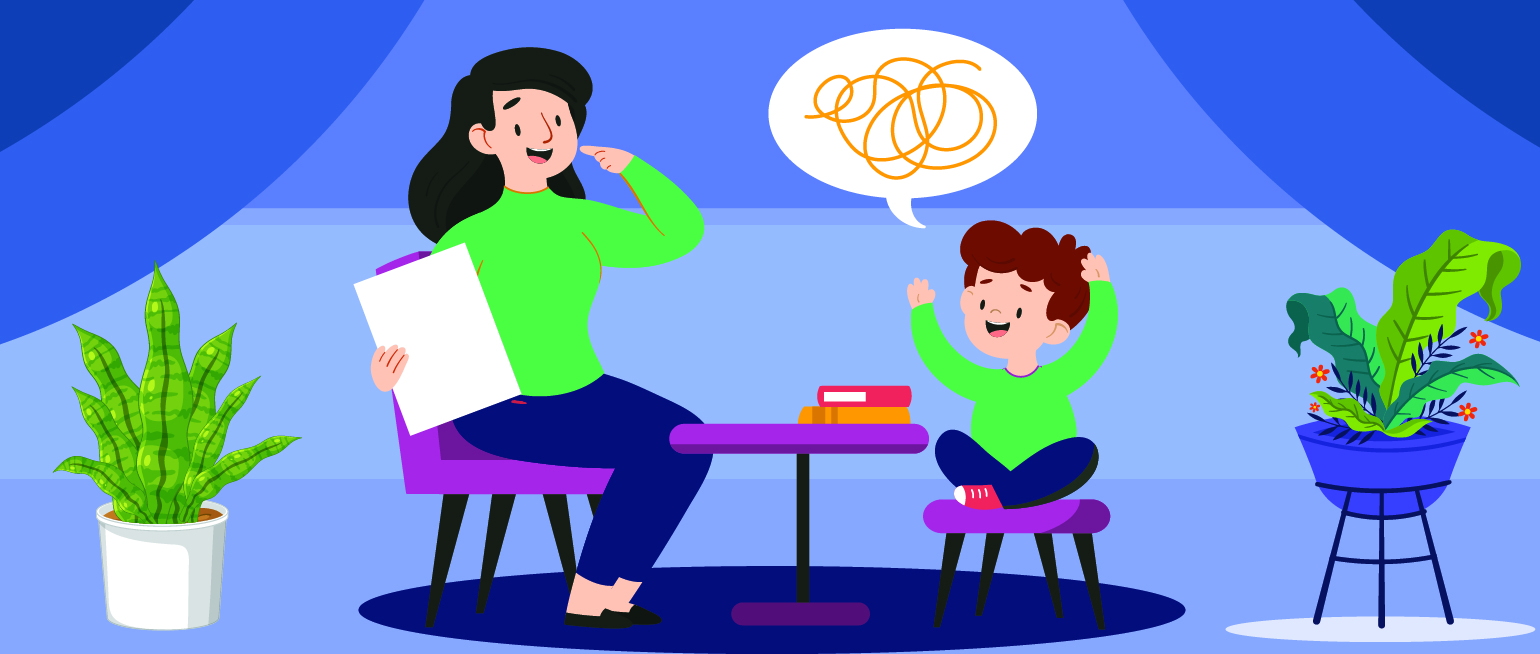
Children often struggle to express their emotions clearly, which can lead to behavioral changes, academic difficulties, or social withdrawal. These signs are not always obvious, but they often indicate that a child is dealing with internal stress or emotional confusion. Early awareness and the right support can help children build emotional strength, improve communication, and develop lifelong resilience.
When emotional challenges persist, professional support such as a child therapist pleasanton ca can provide structured guidance in a safe and supportive environment. Therapy helps children understand their emotions, develop coping skills, and build confidence in handling everyday challenges.
Understanding Emotional Behavior in Children
Children experience emotions deeply, but they often lack the vocabulary or awareness to explain what they are feeling. As a result, emotions are expressed through behavior rather than words.
A child might show emotional distress through:
- Sudden mood changes or irritability
- Difficulty concentrating in school
- Withdrawal from friends or family
- Frequent emotional outbursts
These behaviors are not “bad behavior” but signals that the child may need support and understanding.
Why Early Emotional Support Matters
Early childhood is a critical stage for emotional development. During this time, children learn how to manage feelings, build relationships, and respond to challenges.
Without proper support, emotional struggles can lead to:
- Low self-confidence
- Academic difficulties
- Social anxiety
- Behavioral challenges
Early intervention helps children develop healthy coping skills before these issues become long-term patterns.
Common Emotional Challenges in Children
Children today face a variety of emotional pressures that can affect their well-being.
Anxiety and Worry
Children may experience fear related to school, family, or social situations.
Anger and Frustration
Difficulty expressing emotions can lead to frequent emotional outbursts.
Low Self-Esteem
Negative self-perception can affect confidence and motivation.
Social Difficulties
Struggles with friendships or peer interactions can lead to isolation.
Recognizing these challenges early allows parents to take meaningful action.
Signs Your Child May Need Professional Support
Not all emotional struggles require therapy, but persistent or intense symptoms should not be ignored.
Emotional Signs
- Ongoing sadness or irritability
- Excessive worry or fear
- Emotional sensitivity
Behavioral Signs
- Aggression or defiance
- Avoiding social interaction
- Sudden changes in behavior
Physical and Academic Signs
- Sleep disturbances
- Declining grades
- Frequent complaints of physical discomfort
When these signs continue, professional support can help identify the root cause.
What Happens in Child Therapy Sessions
Child therapy is designed to be engaging, safe, and developmentally appropriate. Unlike adult therapy, it often focuses on interactive and creative techniques.
Play-Based Therapy
Children use toys and role-play to express feelings they cannot verbalize.
Creative Expression
Art, drawing, and storytelling help children process emotions in a natural way.
Behavioral Techniques
Therapists teach coping strategies to manage stress and improve behavior.
Parent Involvement
Parents are often included to reinforce learning at home and support progress.
This collaborative approach ensures consistent emotional growth.
Benefits of Child Therapy
Therapy provides both immediate relief and long-term emotional development.
Improved Emotional Awareness
Children learn to identify and understand their feelings.
Better Coping Skills
They develop healthy ways to handle stress and frustration.
Stronger Communication
Therapy helps children express thoughts and emotions clearly.
Increased Confidence
As emotional skills improve, self-esteem naturally grows.
Modern Factors Affecting Children’s Mental Health
Today’s children are growing up in a complex environment that can influence emotional well-being.
Academic Pressure
High expectations can create stress and anxiety.
Digital Exposure
Excessive screen time can impact attention and self-image.
Family Changes
Divorce, relocation, or loss can disrupt emotional stability.
Peer Influence
Social comparison and bullying can affect confidence and behavior.
Understanding these influences helps parents provide better emotional support.
How Parents Can Support Emotional Growth
Parents play a vital role in shaping their child’s emotional health. Small daily actions can create a strong foundation.
Encourage Open Communication
Allow your child to express feelings without fear of judgment.
Practice Active Listening
Focus on understanding rather than immediately correcting behavior.
Maintain Consistent Routines
Structure provides children with a sense of safety and stability.
Model Healthy Emotional Behavior
Children learn by observing how adults manage emotions.
Reinforce Positive Progress
Celebrate small improvements to build motivation and confidence.
When Therapy Becomes the Right Choice
Knowing when to seek help is essential for your child’s emotional development.
Therapy may be needed if:
- Emotional issues persist over time
- Daily functioning becomes difficult
- Emotional reactions are intense or unpredictable
- A traumatic or major life event has occurred
Early support can prevent emotional difficulties from becoming long-term challenges.
Building Emotional Resilience in Children
Resilience is one of the most important outcomes of emotional development. It helps children adapt to challenges and recover from setbacks.
Children with strong resilience can:
- Handle stress more effectively
- Solve problems independently
- Maintain emotional balance
- Build healthy relationships
These skills are essential for lifelong success and well-being.
Choosing the Right Therapist
Finding the right therapist ensures your child feels safe and supported throughout the process.
Look for a professional who:
- Specializes in child development
- Uses engaging and age-appropriate methods
- Communicates effectively with parents
- Creates a welcoming and supportive environment
A strong therapeutic relationship is key to meaningful progress.
Final Thoughts
Children may not always be able to express what they feel, but their behavior often reveals what words cannot. Recognizing emotional struggles early and responding with care can significantly impact their long-term development.
With the right support, children can learn to understand their emotions, build resilience, and develop healthy coping skills. Combining professional guidance with a supportive home environment creates the foundation for emotional strength, confidence, and lifelong well-being.
Table of Contents