



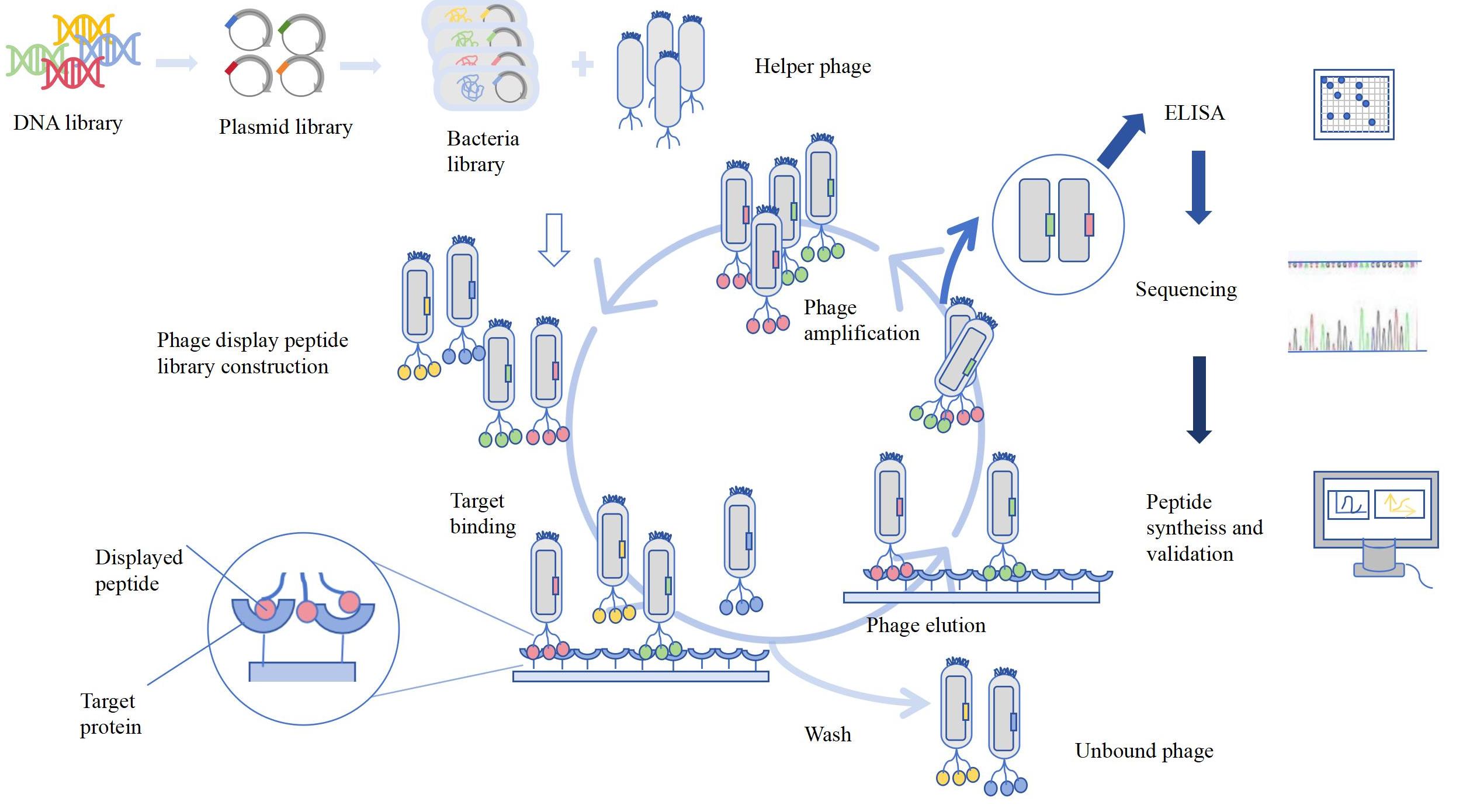
Advancements in biomedical research rely heavily on innovative tools and techniques to identify potential therapeutic targets, develop new drugs, and enhance diagnostic methods. One such powerful technology is the peptide display library, which allows researchers to explore molecular interactions, discover novel drug candidates, and improve biomarker identification. This technique has revolutionized the fields of drug discovery, immunotherapy, and molecular biology by providing a systematic approach to studying peptides and their interactions with biological targets.
One of the most widely used methods for screening molecular interactions involves peptide display library technology. This approach enables scientists to present vast collections of peptides on various display platforms, such as phages, ribosomes, or yeast, allowing for high-throughput screening of interactions with proteins, receptors, and antibodies. By leveraging these libraries, researchers can accelerate the discovery of bioactive peptides with therapeutic potential and improve our understanding of complex biological systems.
What is a Peptide Display Library?
A peptide display library is a collection of diverse peptide sequences that are expressed on the surface of biological or synthetic carriers. These libraries allow for the systematic screening of peptide interactions with various biological targets. The primary goal is to identify peptides with high affinity and specificity for a given molecule, such as an enzyme, receptor, or antibody.
Peptide display libraries are commonly used in the following applications:
- Drug discovery – Identifying peptides that can serve as drug candidates or modulators of biological pathways.
- Vaccine development – Selecting antigenic peptides that trigger immune responses.
- Biomarker identification – Discovering peptide-based biomarkers for disease diagnostics.
- Protein-protein interaction studies – Understanding cellular signaling and molecular mechanisms.
Types of Peptide Display Libraries
Peptide display libraries can be categorized based on the technology used to present peptides to target molecules. Some of the most commonly employed methods include:
1. Phage Display Library
Phage display is one of the most widely used techniques in peptide screening. It involves inserting peptide-coding sequences into bacteriophage DNA, allowing the phage to express and display the peptides on its surface. The displayed peptides can then be screened against target molecules to identify those with high binding affinity. Phage display has been instrumental in discovering therapeutic peptides, antibody mimetics, and enzyme inhibitors.
2. Ribosome Display Library
Ribosome display is an in vitro method that links peptide synthesis to ribosomes, creating a stable complex between the peptide and its corresponding mRNA. This allows for efficient selection of high-affinity peptides without requiring cell transformation, making it a powerful tool for high-throughput screening.
3. Yeast and Bacterial Display Libraries
In yeast or bacterial display, peptides are fused to surface proteins of yeast or bacterial cells. This method provides a stable environment for peptide expression and is particularly useful in studying interactions with cell-surface receptors. Yeast display is often employed in antibody engineering and vaccine research.
4. mRNA Display Library
mRNA display is an advanced technology that links peptide sequences to their encoding mRNA, enabling highly diverse library generation. This technique allows researchers to identify peptides with strong binding properties while preserving their genetic information for further optimization.
Applications of Peptide Display Libraries
Peptide display libraries have broad applications across multiple scientific and medical disciplines. Some of the key areas where they are used include:
1. Drug Discovery and Development
Peptide libraries are essential in identifying new drug candidates by screening peptides that bind to disease-related targets. Many peptide-based drugs, such as antimicrobial peptides and enzyme inhibitors, have been discovered using these libraries.
2. Cancer Research and Immunotherapy
In oncology, peptide display libraries are used to identify tumor-specific peptides that can serve as therapeutic agents or diagnostic markers. They also play a crucial role in developing cancer vaccines and immune checkpoint inhibitors.
3. Antibody Engineering
Peptide display technology is widely used in antibody development, helping researchers design synthetic antibodies that mimic natural immune responses. These synthetic antibodies can be used in targeted therapies for autoimmune diseases and infections.
4. Vaccine Development
Peptide libraries allow scientists to identify short antigenic peptides that can be used in vaccine formulations. These vaccines stimulate immune responses against pathogens without requiring whole-virus or bacterial components.
5. Infectious Disease Research
Peptide display technology is instrumental in identifying peptides that can block viral entry or bacterial adhesion, paving the way for new antimicrobial agents. It has been particularly useful in studying influenza, HIV, and other infectious diseases.
6. Neuroscience and Neurodegenerative Diseases
Peptide libraries contribute to understanding brain function and identifying peptides that modulate neurological pathways. They are being investigated for potential treatments for Alzheimer’s and Parkinson’s diseases.
Advantages of Peptide Display Libraries
Peptide display libraries offer numerous advantages in biomedical research, making them a preferred tool for studying molecular interactions. Some of the key benefits include:
- High Diversity – Peptide libraries contain millions to billions of unique sequences, allowing for the exploration of vast molecular interactions.
- Target Specificity – Researchers can select peptides with high specificity for particular biological targets.
- Rapid Screening – High-throughput methods enable quick identification of promising peptides.
- Cost-Effectiveness – Compared to traditional drug discovery methods, peptide libraries provide a more efficient and economical approach.
- Customizability – Libraries can be tailored for specific research needs, such as disease-targeted screening.
Future Trends in Peptide Display Libraries
As technology advances, peptide display libraries are expected to play an even greater role in biomedical research. Some key trends include:
1. Integration with Artificial Intelligence (AI)
AI-driven algorithms are enhancing peptide library screening by predicting binding interactions and optimizing peptide selection. This reduces the need for extensive trial-and-error experiments.
2. Development of Cyclic and Modified Peptides
Researchers are focusing on designing cyclic peptides with enhanced stability and bioactivity, improving their therapeutic potential.
3. Personalized Medicine Applications
Peptide screening is being integrated into personalized medicine to develop customized treatments based on an individual’s genetic and molecular profile.
4. Expansion into New Therapeutic Areas
Peptide-based therapies are being explored for metabolic disorders, cardiovascular diseases, and rare genetic conditions.
Conclusion
Peptide display libraries have transformed biomedical research by providing a powerful tool for drug discovery, diagnostics, and therapeutic development. With their ability to generate vast peptide sequences and screen them efficiently against biological targets, these libraries have unlocked new possibilities in precision medicine and molecular biology.
As research continues to advance, peptide display technology will further contribute to breakthroughs in various medical fields, improving healthcare outcomes and leading to the development of innovative treatments for complex diseases.
Table of Contents

