



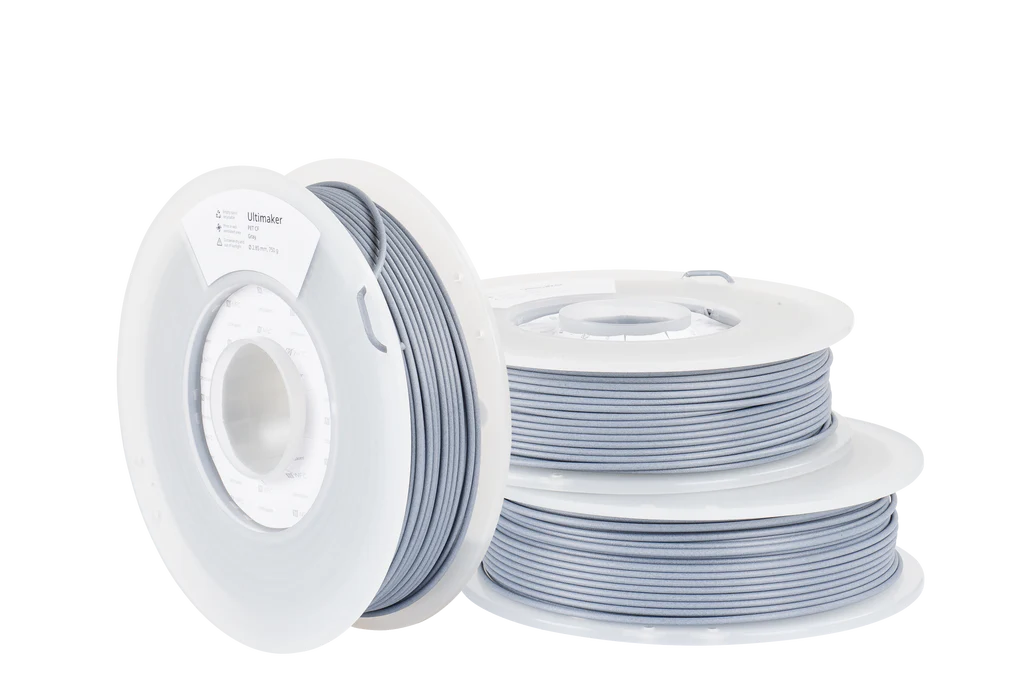
PET (Polyethylene Terephthalate) is one of the most widely used thermoplastics in the world, especially in food packaging, beverage containers, and industrial applications. Its popularity comes from its strength, clarity, and chemical stability, which make it suitable for contact with consumables and demanding manufacturing environments.
In modern material engineering, modified forms such as PET have also expanded its usability, but standard PET remains a benchmark material for safety and performance in regulated industries.
Understanding PET and Its Importance
PET is a polyester-based plastic produced through the polymerization of ethylene glycol and terephthalic acid. The result is a lightweight, durable, and transparent material that performs well under a variety of conditions.
It is widely used because it:
- Maintains structural stability
- Offers excellent barrier properties
- Is resistant to moisture and chemicals
- Can be recycled efficiently
These characteristics make it a trusted material in both consumer-facing and industrial sectors.
Food Safety Standards for PET
PET is commonly approved for food contact applications worldwide, but it must meet strict regulatory standards to ensure safety.
Regulatory Approvals
PET used in food packaging typically complies with standards set by:
- FDA (U.S. Food and Drug Administration)
- EFSA (European Food Safety Authority)
- Other national food safety agencies
These organizations regulate the types of additives, processing methods, and purity levels allowed in PET intended for food use.
Key Safety Requirements
To be considered food-safe, PET must meet the following conditions:
- Free from harmful contaminants
- Produced under controlled manufacturing processes
- Tested for chemical migration limits
- Suitable for repeated or single-use applications depending on design
When properly manufactured, PET does not release harmful substances into food or beverages.
PET in Food Packaging Applications
PET is one of the most widely used materials in the food and beverage industry due to its safety and performance characteristics.
Common Applications
- Water and beverage bottles
- Food storage containers
- Cooking oil packaging
- Ready-to-eat meal trays
Its transparency allows consumers to see the product, while its strength ensures protection during transport and storage.
Barrier Properties
PET provides excellent protection against:
- Oxygen
- Moisture
- Carbon dioxide (in beverage applications)
This helps preserve freshness and extend shelf life.
Industrial Safety Standards for PET
Beyond food packaging, PET is also used in industrial environments where durability and chemical resistance are important.
Mechanical and Chemical Safety
PET is valued in industry because it:
- Resists many common chemicals
- Maintains dimensional stability under stress
- Performs well in moderate temperature conditions
These properties make it suitable for engineering components, films, and insulation materials.
Electrical Safety Applications
PET is often used as an insulating material in electrical and electronic industries due to its dielectric strength. It helps protect components from electrical discharge and environmental damage.
PET Compliance and Quality Control
To ensure safety and performance, PET production undergoes strict quality control procedures.
Manufacturing Standards
High-quality PET must be produced under controlled conditions that monitor:
- Temperature and pressure during polymerization
- Purity of raw materials
- Consistency of molecular structure
Testing Procedures
Before use in food or industrial applications, PET is tested for:
- Mechanical strength
- Chemical resistance
- Migration of substances
- Thermal stability
These tests ensure that the material performs safely under real-world conditions.
Environmental and Recycling Safety
PET is also recognized for its recyclability, which contributes to environmental sustainability.
Recycling Process
- Collection and sorting of used PET products
- Cleaning and shredding into flakes
- Melting and reforming into pellets
- Reuse in packaging, textiles, and industrial products
Recycled PET (rPET) is widely used and must also meet safety standards depending on its application.
Limitations and Safety Considerations
While PET is generally safe and reliable, there are some limitations:
- Not suitable for high-temperature sterilization processes
- Can degrade under prolonged UV exposure
- Must be properly processed to avoid contamination
- Performance varies depending on additives and manufacturing quality
These factors must be carefully managed in both food and industrial applications.
Conclusion
PET is a highly trusted material in both food and industrial sectors due to its strength, clarity, and safety performance. When produced under strict regulatory standards, it is safe for direct food contact and reliable for demanding industrial uses.
Its widespread approval and recyclability make PET a key material in modern manufacturing, supporting both safety requirements and sustainability goals across global industries.
Table of Contents

