



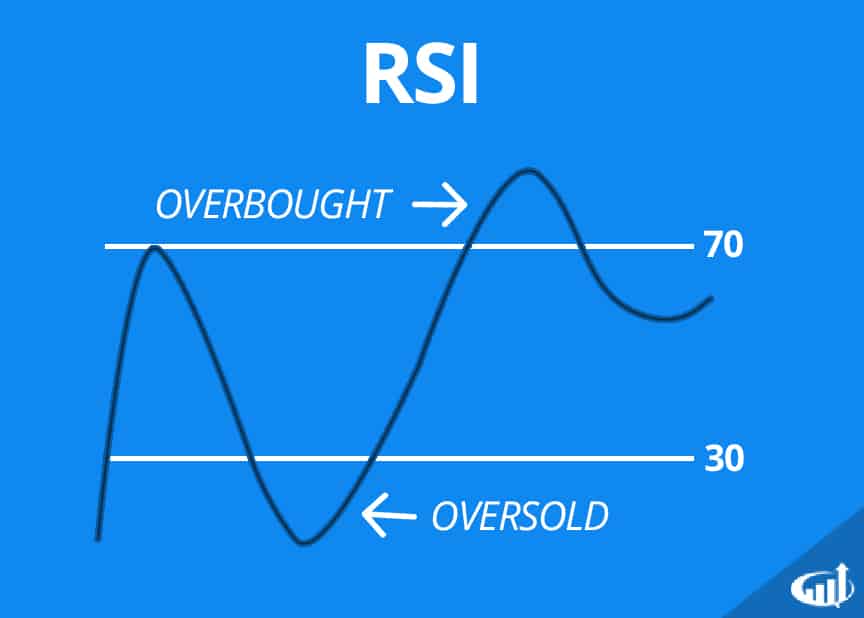
The Relative Strength Index (RSI) is one of the most popular and widely used technical analysis tools for traders and investors. Despite its simplicity, this powerful indicator can help new and experienced traders alike identify potential overbought or oversold conditions in various trading instruments, such as stocks, Forex, and commodities. In this article, we’ll simplify RSI trading and dive into actionable strategies, offering guidance while seamlessly integrating secondary keywords like Forex market hours to optimize your trading plan.
What is the Relative Strength Index (RSI)?
The Relative Strength Index (RSI) is a momentum oscillator developed by J. Welles Wilder in 1978. It measures the speed and change of price movements over a specified period, typically 14 periods, though this can be adjusted depending on individual preferences.
RSI values range between 0 and 100, with the following thresholds often indicating market conditions:
– An RSI above 70 suggests the asset may be overbought and could face a possible retracement or reversal.
– An RSI below 30 implies the asset may be oversold and primed for a potential upward correction or rally.
This relative scale provides traders with insights into market momentum and sentiment, enabling them to make informed decisions about when to enter or exit trades.
Why is RSI Popular Among Traders?
One of the reasons RSI is so widely adopted is its versatility. The indicator works across multiple timeframes, trading instruments, and market conditions. Whether you’re trading stocks, cryptocurrencies, or the Forex market, the RSI can help you identify strength or weakness in an asset’s price movement.
Additionally, its straightforward design makes it simple to understand and integrate into various trading strategies. Even beginners can use RSI effectively to manage risks and enhance profitability without having an in-depth understanding of complex technical analysis tools.
How to Use RSI for Trading: Simplified Steps for Beginners
To trade successfully with the Relative Strength Index, follow these steps to integrate it into your analysis:
1. Understand Overbought and Oversold Levels
When using RSI, pay close attention to its value to determine market conditions:
– RSI > 70: The asset may be overbought. It’s a signal that prices could reverse or slow down soon, so it’s worth considering profit-taking or avoiding new long positions.
– RSI < 30: The asset may be oversold. This implies prices could recover, potentially creating opportunities for buying or entering into long positions.
2. Watch for Divergences
Divergences occur when the price movement and RSI values disagree, offering a signal for potential reversals:
– Bullish Divergence happens when the price forms lower lows, but the RSI forms higher lows. This could mean the downtrend is losing strength, signaling a potential upward reversal.
– Bearish Divergence occurs when the price forms higher highs, but the RSI creates lower highs, hinting at a possible downward reversal.
3. Use RSI with Forex Market Hours
The Forex market operates 24 hours a day but consists of overlapping trading sessions such as the London, New York, Sydney, and Tokyo markets. Each of these sessions brings unique liquidity patterns and volatility. When combining RSI with Forex market hours, you can better identify significant opportunities and avoid false signals.
For example:
– London and New York Sessions: These sessions often overlap, creating increased volatility in currency pairs like GBP/USD and EUR/USD. RSI readings during this period may reflect sharper momentum shifts that can yield profitable entry opportunities.
– Asian Session: This session is typically calmer and less volatile, especially for major pairs. However, RSI signals during this time may indicate longer, steadier trends.
By aligning RSI signals with market-specific behaviors during various Forex market hours, you can improve the accuracy of your trading strategies.
4. Adjust RSI Timeframes
The default RSI setting of 14 periods works well for most trading applications; however, advanced traders often tweak this setting based on their preferences and trading style:
– Short-term Trading: For day traders and scalpers, using a smaller RSI period (e.g., 7 or 9) can provide quicker signals and react better to intraday price movements.
– Long-term Trading: Swing and position traders often stick to the default 14 or extend the RSI period to 21 for smoother results.
RSI Trading Strategies Made Simple
Below are user-friendly RSI trading strategies designed to help you optimize your trades in a variety of market conditions.
1. RSI Trend Trading
If you’re trading in a trending market, RSI can help confirm the continuation of the trend and provide potential entry points.
Example:
– In an Uptrend: Focus on oversold conditions (RSI < 30). When the RSI dips during pullbacks or corrections, you can enter long trades in anticipation of the trend continuing.
– In a Downtrend: Watch for overbought conditions (RSI > 70) to signal opportunities for short positions.
Combining this with Forex market hours ensures you’re trading during periods of higher liquidity and ideal market setups.
2. RSI Support and Resistance
Pairing RSI with support and resistance levels can help you spot high-probability trades, especially during consolidation phases.
1. Identify key support and resistance areas on your price chart.
2. Use RSI to look for confirmation signals.
For example:
– When price approaches support and RSI is oversold, this signals a potential bounce.
– When price nears resistance and RSI is overbought, it hints at a possible reversal.
3. RSI Breakout Strategy
RSI can be used to confirm breakouts in price action. Breakouts often coincide with strong momentum, which RSI effectively captures.
Steps:
– Look for price breaking out above a resistance level or below a support level.
– Confirm the breakout with RSI readings. For a bullish breakout, RSI should be moving above 50 or nearing overbought zones. For a bearish breakout, RSI should be moving below 50 or approaching oversold zones.
4. Combine RSI with Moving Averages
Moving averages are excellent tools for smoothing price data, and combining them with RSI helps filter out false signals.
Steps:
1. Use a long-term moving average, such as the 200 EMA (Exponential Moving Average), to determine the overall trend.
2. Within the trend, use RSI to identify entry or exit points.
– For example, in an uptrend above the 200 EMA, enter longs when RSI dips below 30 but starts to rise again.
Mistakes to Avoid When Using RSI
While RSI is powerful, its effectiveness can be hindered by some common mistakes. Avoid the following to ensure success:
1. Ignoring Market Context: RSI on its own isn’t always reliable. Combine it with broader market analysis, such as Forex market hours, support/resistance levels, or economic news events.
2. Over-Reliance on Overbought/Oversold: Not all RSI readings above 70 indicate an immediate reversal. Similarly, prices can stay oversold (below 30) for extended periods in strong trends. Always combine signals with other tools.
3. Misusing RSI Timeframes: Selecting improper RSI timeframes can lead to signals that aren’t relevant for your trading style. Always test different periods for optimal results.
RSI in Forex Trading: Special Considerations
The Relative Strength Index is particularly useful in Forex trading due to the market’s liquidity, volatility, and global exposure. When trading currencies, keep in mind:
1. Overlapping Forex Market Hours: As previously mentioned, some trading hours (e.g., London-New York overlap) yield stronger RSI signals during periods of higher volatility.
2. Currency Pairs Matter: Major pairs like EUR/USD or GBP/USD tend to exhibit smoother RSI signals, while exotic pairs may deliver more erratic readings due to lower liquidity.
3. News Events and RSI: Forex markets are highly sensitive to economic and geopolitical events. Be cautious when trading RSI during major news releases since abrupt price movements can invalidate the indicator’s signals.
Final Thought
The Relative Strength Index trading approach doesn’t need to be complex or intimidating. By understanding its core principles, recognizing overbought and oversold conditions, spotting divergences, and aligning strategies with Forex market hours, you can streamline your trading process while minimizing risks.
To maximize RSI’s efficiency, practice regularly on a demo account, refine your strategies based on market conditions, and combine this tool with others such as trendlines, support/resistance levels, or moving averages. When used effectively, RSI can be a critical component of your trading arsenal, helping you capitalize on lucrative opportunities in the Forex market and beyond.
Make RSI trading simple, stick to strategies that match your trading style, and stay disciplined—the rewards will follow!
Table of Contents

