
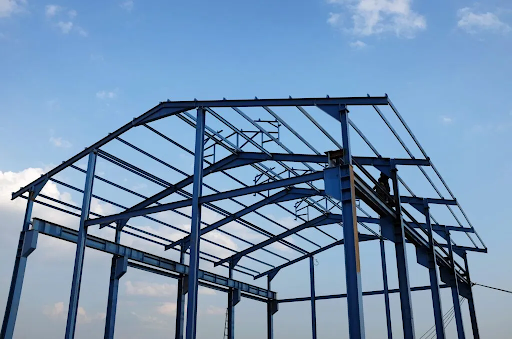
Steel frame buildings are reshaping the landscape of modern construction. You might not realise it, but these structures are everywhere, from towering skyscrapers to your local shopping centre. Their strength, durability, and flexibility make them an ideal choice for a variety of projects.
In the UK, steel frame buildings are gaining popularity for both commercial and residential use. They offer a sleek, contemporary look while providing unmatched stability. Whether you’re planning a new build or looking to retrofit an existing structure, understanding the benefits of steel frame construction can help you make an informed decision.
What Are Steel Frame Buildings?
Steel frame buildings use a network of vertical steel columns and horizontal I-beams to form a supportive framework. This framework supports floors, roofs and walls, making these buildings incredibly sturdy and resilient. The use of steel adds an element of flexibility, allowing for unique architectural designs and expansive spaces.
Core Characteristics
Steel frame buildings are recognised for several core characteristics:
- Strength: Steel has significantly higher tensile and compressive strength compared to traditional materials. This makes steel frames capable of bearing heavy loads and resisting harsh weather conditions.
- Durability: Steel is resistant to pests, decay and fire. These properties drastically reduce the maintenance requirements, making it a long-lasting option.
- Flexibility: Steel can bend without breaking, allowing structures to absorb impacts better. This flexibility translates to greater earthquake resistance.
- Sustainability: Steel is recyclable, which reduces the environmental impact of construction. Buildings can be disassembled and repurposed, minimising waste.
Common Applications
Steel frame buildings find application in various sectors:
- Commercial Buildings: Office buildings, shopping centres and warehouses frequently use steel frames due to their ability to span large spaces without internal columns. This offers an open and functional layout.
- Residential Projects: Modern homes often incorporate steel frames for their sleek and contemporary designs, providing stable yet stylish living spaces.
- Industrial Facilities: Factories and plants require robust structures, making steel frame buildings a popular choice. Their strength and resistance to industrial wear and tear make them optimal for these settings.
Benefits Over Traditional Methods
Steel frame buildings offer several advantages over traditional construction methods:
- Speed: The assembly of steel frames is quicker compared to traditional materials. Prefabricated sections can be constructed off-site and then assembled on-site, reducing overall build time.
- Precision: Steel components are manufactured with exact specifications, ensuring precision and reducing errors. This results in a higher quality finish.
- Design Flexibility: Steel enables more innovative and complex designs, allowing architects to explore creative possibilities. Large open spaces and unique shapes become practical and achievable.
Have You Considered Steel Frame Buildings?
When planning a new construction project, consider the long-term benefits steel frame buildings offer. Their durability, strength and adaptability make them an excellent choice for various applications. Reflect on whether these features align with your project’s needs and objectives. Would a steel frame building provide you with the flexibility and resilience required for your design? The potential is vast and worth exploring.
Advantages of Steel Frame Buildings
Steel frame buildings offer numerous benefits that make them a popular choice for modern construction projects.
Durability and Strength
Steel frame buildings boast exceptional durability and strength. These structures can withstand harsh weather conditions like strong winds, heavy rain, and snow. Steel’s high strength-to-weight ratio ensures that even under heavy loads or stress, your building retains its structural integrity. Think about a structure that stands firm, even in the face of nature’s fury. Moreover, steel is resistant to pests and rot, unlike wooden frames which may succumb to termites or decay over time.
Cost-Effectiveness
Choosing steel for your building might significantly cut costs in the long run. Construction timelines are often shorter due to steel’s ability to be pre-fabricated, reducing labour costs. Maintenance is minimal as steel doesn’t warp or twist, lowering repair expenses over time. Reflect on how much faster your project could be completed. Moreover, steel’s ability to be recycled adds value by potentially reducing future material costs for renovations or expansions.
Environmental Benefits
Steel frame buildings support eco-friendly construction practices. Steel is 100 per cent recyclable, making it a sustainable choice. Recycled steel doesn’t lose its properties, ensuring high quality and less environmental impact. Visualise a building embodying green principles. Additionally, steel structures often incorporate energy-efficient designs, reducing heating and cooling costs. This leads to lower carbon emissions, further benefiting the environment.
Types of Steel Frame Construction
Understanding the various types of steel frame construction can help you choose the best option for your project. Let’s explore the two primary methods: Light Gauge Steel Construction and Hot-Rolled Steel Construction.
Light Gauge Steel Construction
Light gauge steel construction, ideal for residential buildings and small commercial spaces, uses thin sheets of steel bent into shapes. This type of construction relies on steel framed in small sections, easily cut and assembled. You might notice its use in interior walls or smaller structures as it’s lightweight yet strong. Builders can quickly piece these sections together, making it efficient and cost-effective. Its adaptability allows for more intricate designs.
Hot-Rolled Steel Construction
Hot-rolled steel construction, made for larger buildings like warehouses or skyscrapers, uses steel beams created under high temperatures. These beams, thick and robust, can support heavy loads. Hot-rolled steel offers great structural integrity, suitable for large spans and industrial applications. You might see these massive beams in open spaces where strength is paramount. This method provides the necessary foundation for ambitious architectural designs, making it a favourite in commercial construction.
Applications of Steel Frame Buildings
Steel frame buildings play critical roles across various sectors. Their versatility makes them ideal for many purposes, adapting to different needs with ease.
Commercial Structures
Steel frame buildings shine in commercial settings. They support large open spaces, perfect for shops, offices and malls. You might notice their use in iconic skyscrapers dotting city skylines. They can handle heavy loads and resist natural disasters, making them dependable for business owners. The flexibility of steel frames also means quicker construction times. The result? An efficient, resilient and modern commercial space.
Residential Structures
In residential construction, steel frames offer many benefits. Your home gains strength against natural forces like wind and earthquakes. Builders can create unique architectural designs due to steel’s versatility. Steel frame constructions also resist pests and fire. This type of building is gaining popularity due to its durability. Imagine living in a home that’s both safe and stylish, thanks to the modern steel frame.
Industrial Structures
Industrial settings demand robust construction, and this is where steel frame buildings excel. Factories, warehouses and distribution centres need vast, unobstructed spaces. Steel frames deliver the necessary structural support. They handle heavy machinery and storage loads. The durability of steel ensures safety and longevity, reducing upkeep costs over time. In these large industrial facilities, the strength and adaptability of steel are vital.
Innovations in Steel Frame Building Technology
Recent advancements have revolutionised steel frame buildings by integrating cutting-edge technology. Let’s explore how these innovations are transforming modern construction in the UK.
Advanced Coatings and Treatments
New coatings and treatments enhance the durability and lifespan of steel frames. Innovations offer better protection against corrosion, UV radiation, and fire. These advancements ensure steel structures remain robust in various climates. Have you considered how these treatments can extend building life? Applying advanced coatings reduces maintenance costs over time. This improvement benefits both commercial and residential projects by providing extra resilience.
Integration with Smart Building Systems
Steel frames now work seamlessly with smart building systems. These integrations include sensors, automated controls, and energy-efficient solutions. Imagine a building that adjusts its own temperature and lighting. Is your current building smart enough? Integrating technology optimises energy use and improves comfort. This synergy makes steel frame buildings ideal for modern lifestyles. Smart systems enable real-time monitoring and predictive maintenance, ensuring longevity.
Final Thoughts
Steel frame buildings offer a robust and adaptable solution for various construction needs. Their inherent strength and durability combined with modern advancements in technology make them a top choice for both commercial and residential projects. The integration of smart systems and energy-efficient solutions further enhances their appeal providing a contemporary approach to building design. With these benefits steel frame buildings stand out as a forward-thinking option for the future of construction.
Table of Contents