Choosing the right anchor is one of the most critical decisions any vessel owner or operator can make. Anchors are not just heavy metal objects—they are vital safety tools that keep your vessel secure in varying water conditions. A poorly chosen anchor can compromise stability, safety, and even the longevity of your vessel. For this reason, consulting a professional anchor supplier is highly recommended to ensure your investment delivers optimal performance and reliability.
Understanding Different Types of Anchors
Anchors are available in various designs, each optimized for specific seabeds, vessel sizes, and operational conditions. The most common types include:
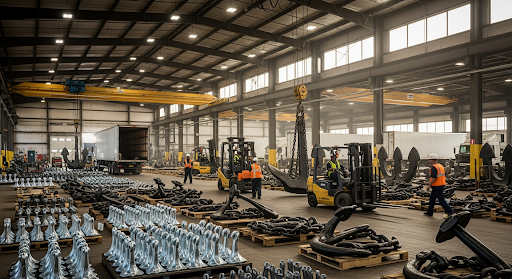
- Stockless Anchors: Primarily used by large commercial vessels, stockless anchors are versatile and easy to handle. They adapt well to different seabeds and are ideal for vessels requiring frequent anchoring and relocation.
- Plow Anchors: These anchors are popular for recreational and medium-sized boats. Plow anchors excel in sand and mud, offering strong holding power and a reliable grip even in changing conditions.
- Fluke or Danforth Anchors: Lightweight and efficient, these anchors work best in sand or mud. They are less effective in rocky areas but are favored for smaller vessels due to their simplicity and ease of handling.
- Claw Anchors: Known for their ability to reset themselves when dragged, claw anchors are excellent for mixed seabed conditions. They provide reliable performance offshore and are preferred by vessel owners navigating uncertain underwater terrain.
Engaging an experienced anchor supplier can help determine which anchor type is suitable for your vessel’s size, weight, and anchoring conditions.
Key Criteria for Selecting the Right Anchor
Choosing the perfect anchor involves much more than selecting a type. Several critical factors must be considered to ensure safe and effective anchoring:
1. Vessel Size and Weight
The size and weight of a vessel are primary factors in anchor selection. Larger vessels demand huge boat anchors with greater holding capacity to resist strong winds, currents, and waves. Small or medium vessels can function with lighter anchors, but underestimating the size and strength of your anchor can lead to dragging, drifting, or instability. Calculating the anchor’s holding power relative to your vessel’s displacement is essential for optimal safety.
2. Seabed Composition
Anchor performance heavily depends on seabed conditions. Sand, mud, rock, and mixed seabeds each require specific anchor designs. For instance, plow anchors are highly effective in sandy seabeds, while stockless anchors perform reliably on rocky or uneven surfaces. Working with a professional anchor supplier ensures you select an anchor capable of securing your vessel in the types of seabeds you encounter most frequently.
3. Holding Power
Holding power refers to an anchor’s ability to resist drifting under the influence of wind, waves, or currents. Larger vessels, especially those operating in open waters, require anchors with superior holding power. Investing in a huge boat anchor with proven holding efficiency prevents the risks associated with dragging, ensuring your vessel remains stable under all conditions.
4. Material and Weight Considerations
Anchor weight must balance between effective holding and manageable handling. Heavier anchors provide greater grip but may require mechanical assistance or more crew to deploy safely. Additionally, the material composition of anchors is important. Galvanized steel anchors are corrosion-resistant and durable, while stainless steel anchors offer longevity, strength, and an aesthetic finish. A knowledgeable anchor supplier can recommend the right material suited for environmental conditions and vessel requirements.
5. Ease of Storage and Handling
Anchor storage and handling is often overlooked but is critical for efficient operation. Stockless anchors, widely used by large ships, are designed for compact storage and ease of deployment. Plow and claw anchors, by contrast, are easier to manage for smaller vessels or recreational boats. Proper handling systems minimize crew fatigue, improve operational efficiency, and reduce the risk of accidents during deployment and retrieval.
6. Redundancy and Safety
Most professional mariners carry at least one secondary anchor as a backup. This redundancy ensures the vessel remains secure if the primary anchor fails or conditions worsen unexpectedly. Your trusted anchor supplier can guide you in selecting complementary anchors that enhance safety without adding excessive weight to the vessel.
Modern Innovations in Anchoring Technology
Anchor technology has evolved significantly over the years. Modern huge boat anchors often feature high-strength alloys, optimized fluke designs, and corrosion-resistant coatings. Some advanced designs are computationally tested to maximize holding power while minimizing weight. These innovations allow vessel owners to achieve secure mooring in challenging conditions and reduce the physical effort required for deployment. A professional anchor supplier can provide guidance on the latest anchor technologies suitable for your vessel.
Maintenance and Regular Inspection
Even the best anchor can fail if neglected. Routine inspections for corrosion, bending, or wear are essential for long-term reliability. Check the anchor chain, shackles, swivels, and other related equipment to ensure everything is in excellent condition. An experienced anchor supplier can provide maintenance advice, replacement parts, and guidance on preventive measures, extending the life and efficiency of your anchoring system.
Cost versus Performance
While cost is an important factor, it should not compromise safety or performance. Investing in a high-quality, huge boat anchor is a prudent decision, as it reduces the likelihood of anchor dragging, vessel damage, and potential accidents. When choosing an anchor, evaluate not only the upfront cost but also the durability, holding capacity, and suitability for your vessel’s operational conditions.
Expert Consultation Matters
Choosing the correct anchor can be complex, particularly for larger vessels or commercial operations. Consulting with an experienced anchor supplier provides critical insights into anchor size, type, material, and complementary equipment. This guidance ensures that the anchors purchased deliver reliable performance, enhance vessel safety, and provide peace of mind during anchoring operations.
Conclusion
Selecting the right anchor is essential for vessel safety, stability, and performance. Factors such as vessel size, seabed type, anchor material, and holding power must all be considered. Regular maintenance, proper handling, and consulting experts ensure reliable anchoring. By making informed decisions, vessel owners can enhance safety, prevent damage, and enjoy peace of mind while navigating any water conditions.
Wismar Heavy Equipment TRD LLC offers comprehensive solutions for maritime needs, specializing in huge boat anchors, chains, and marine equipment. As a trusted anchor supplier, they provide expert consultation, reliable supply, and durable products to ensure vessels remain safe, secure, and efficient at sea. Their services simplify procurement, enhance vessel performance, and provide peace of mind to maritime operators.
Table of Contents