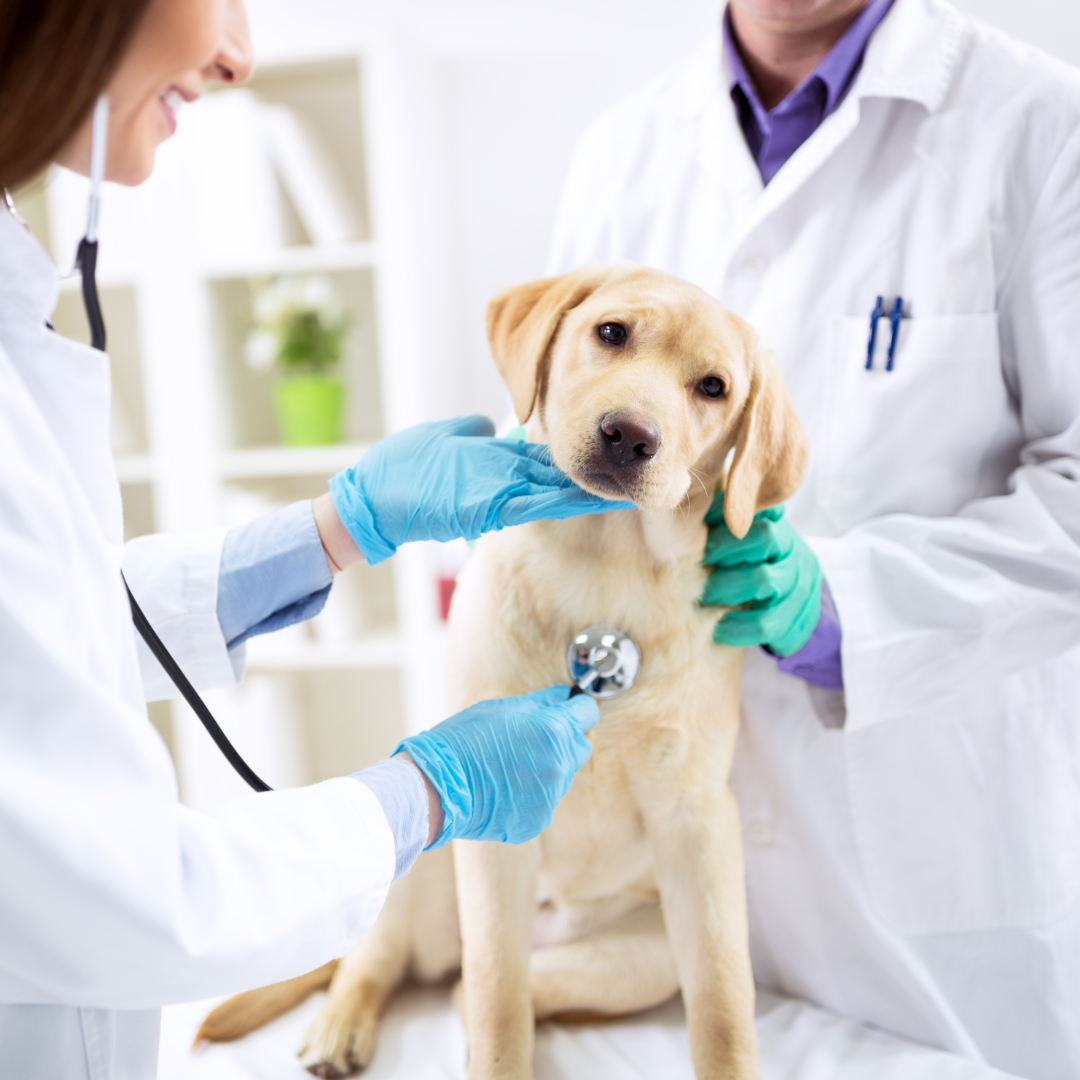
The field of veterinary medicine deals with diagnosing, treating, and preventing different animal diseases. It requires the efforts of a dedicated team of skilled veterinary professionals and assistants. Veterinary professionals cannot carry out veterinary surgical procedures alone.
They constantly need the help of veterinary assistants to make veterinary surgeries successful. So, a veterinary technician is one of the fastest-growing professions in veterinary medicine. A vet tech is a licensed professional who works under the supervision of a veterinarian. They provide essential care for the animals during treatment and also provide guidance to the vet owners.
It is pertinent to mention that many people get confused with vet nurse vs tech. It is frequently asked whether they are the same or not. In short, the responsibilities of both professions are different. This blog will inform you about the duties that vet techs perform.

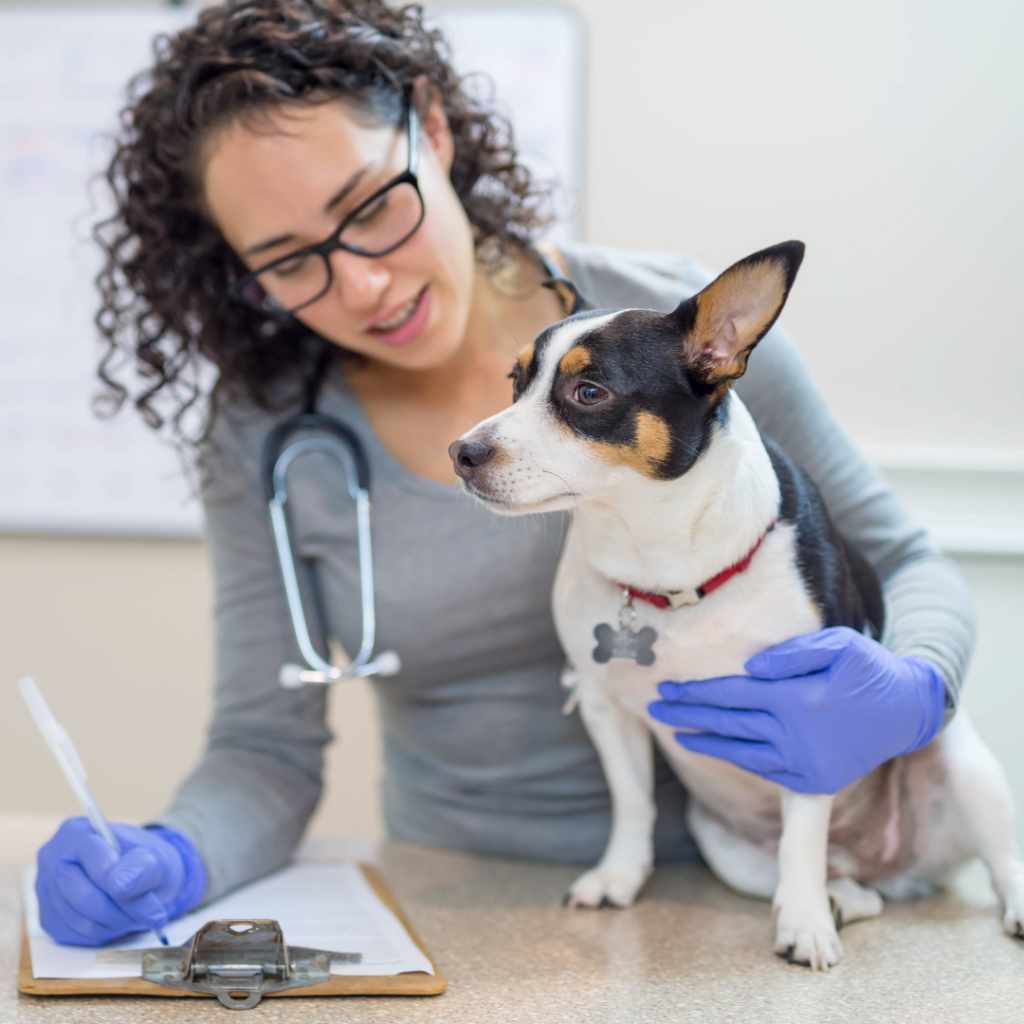
Responsibilities Of a Vet Tech
Veterinary technicians perform multiple duties while an animal undergoes treatment or surgery, but some of the most important responsibilities are as follows.
Taking Animal’s History
Taking the health history of the animal patient is crucial for correctly diagnosing the disease. The history can help identify the disease’s nature and diagnose it at an early stage. A patient’s good history includes all current health situations and past diseases.
It is mandatory to ask different questions to the owners, such as if your pet is eating and drinking regularly. Does your pet have a cough or fever? Are you giving your pet any medication? All of these questions are asked by a vet tech.
After taking the history, the vet technician can present the case to the veterinarian.
Stabilizing and Monitoring the Animal Patient
One of a vet tech’s most critical responsibilities is stabilizing and monitoring the pet patient. Technicians monitor the animal patient before the veterinarian start diagnosis. Stabilizing the animal includes continuously monitoring the ECG and measuring blood pressure. They also check for abnormal heart rhythms and ask the veterinarian to take immediate steps.
Technicians play a significant role, especially for patients hospitalized for long periods. They are responsible for ensuring the animal’s safety and comfort during their stay at the hospital.
Emergency Care
When a critical animal patient comes, the veterinarian must assess the animal before communicating with the owner. Depending on the severity of the situation, the veterinarian may be able to help stabilize the patient.
Below are some responsibilities that they perform during emergencies:
- Check temperature, heartbeat, and blood pressure.
- Place intravenous catheters to give medicines and fluid.
- Collecting urine and blood samples.
- Assist veterinarians in endoscopic procedures.
- Monitor anesthesia during endoscopic procedures.
- Perform diagnostic radiology and ultrasound
- Make animals prepared for the surgeries.
All such tasks fall under the responsibility of emergency care. In addition, they perform many other tasks as directed by veterinary experts.
Performing Laboratory Test
Veterinary technicians are responsible for carrying out various laboratory tests. These tests are essential for diagnosing a particular disease. They also perform several other tests, such as skin scrapings under a microscope that help diagnose illnesses such as sarcoptic mange, scabies, and skin allergies.
Thus, they help in diagnosing the disease from which the animal is suffering. Furthermore, they provide veterinarians with all information essential for diagnosing diseases and prescribing the correct therapeutic procedure.
Pet Owner Counseling
The vet tech ensures the owners don’t feel worried when their animal is going undergoing a treatment. Veterinary technicians also help educate pet owners about illnesses and treatments, home care, and preventative care. They also educate pet owners on how to provide medication to their pets.
They also guide the pet owners about oral hygiene and proper nutrition. The reason behind it most pet owners are not aware of the importance of animal health and proper food. So, veterinary technicians take charge of educating them about the things that are necessary for keeping animals healthy.
Assisting Veterinary Experts
Veterinary technicians assist veterinarians throughout animal treatment by administering medication, inserting catheters, operating machines, and ensuring animal hygiene and comfort.
They are experts in performing multiple tasks, such as giving anesthesia, monitoring ECG and blood pressure, applying bandages, drawing blood, performing laboratory testing, and taking radiographs. In an emergency, a veterinary technician will provide immediate first aid to stabilize the animal until the veterinarian starts the treatment.
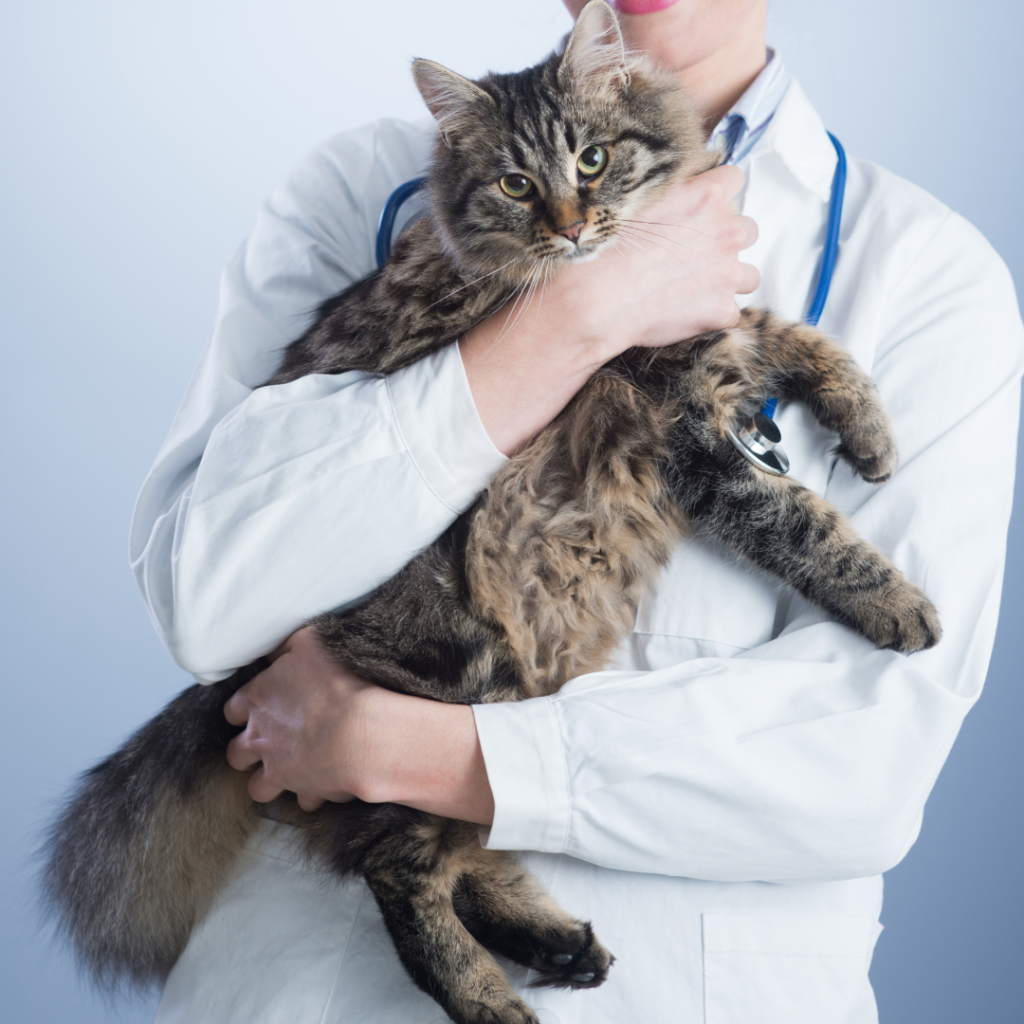
How Vet and Tech Are Helping Vet Technicians?
A Vet Tech assists veterinary experts in recovering animal health by performing multiple tasks. They can be more successful in their profession by improving their practice and updating their knowledge. For this, Vet and Tech is helping veterinary technicians by offering a variety of educational resources.
It includes educational programs, CE courses, webinars, trade shows, and guides. They can also enhance their knowledge by learning about various surgical procedures and animal diseases. Visiting veterinary shows and conferences can also prove very helpful for them.
FAQ’s
What Is a Vet Tech?
A vet tech is a veterinary professional who assists veterinary experts. They perform various responsibilities such as monitoring the patient, administering medicines, assisting veterinarians during surgeries, and many others.
How Vet Technicians Educate a Pet Owner?
Vet technicians educate pet owners by telling them about administering medicines, oral hygiene, and pet food. In addition, they educate pet owners about various preventive measures and hygiene tips.
Table of Contents