Undertaking a Bathroom Remodeling project can be a thrilling yet overwhelming task. Whether you want to update an outdated space or create a more functional and luxurious bathroom, planning and preparation are key to ensuring the project runs smoothly. By following a well-organized step-by-step guide, you can navigate the process without unnecessary stress. Here’s how to make your bathroom remodeling experience as hassle-free as possible.
1. Establish Your Goals and Budget
Before diving into any renovations, it’s essential to define what you want from your bathroom remodel. Are you looking for aesthetic changes, increased functionality, or both? Consider how you use your bathroom daily and think about the improvements that will benefit you the most. Perhaps you need more storage, a bigger shower, or modern fixtures.
Once you have a clear vision of your goals, create a realistic budget. Bathroom remodels can vary greatly in cost, depending on the scope of work, materials, and fixtures chosen. Set a budget that accounts for both the expected costs and a contingency fund for any unexpected issues that might arise. Having a budget will help you make informed decisions and ensure you don’t overspend during the remodeling process.
2. Research and Hire the Right Bathroom Remodeling Professionals
The next step in achieving a hassle-free bathroom remodel is hiring the right professionals. You may need a contractor, plumber, electrician, or even an interior designer, depending on the scope of your project. Look for reputable Bathroom Remodeling professionals who have experience with projects similar to yours. Ask for references and check online reviews to ensure they are reliable and trustworthy.
When interviewing contractors, ask about their experience, timeline, pricing, and licensing. Be sure they are insured and have a solid track record of completing bathroom remodels on time and within budget. Having a team of experienced professionals will minimize the chance of mistakes or delays, making your remodel process smoother.
3. Plan the Layout and Design
Once you’ve assembled your team, it’s time to work on the design and layout of your bathroom. Whether you’re looking to rearrange the layout or simply update the look of your bathroom, planning is crucial. Begin by identifying the existing plumbing and electrical systems, as major changes to these systems can increase both cost and time.
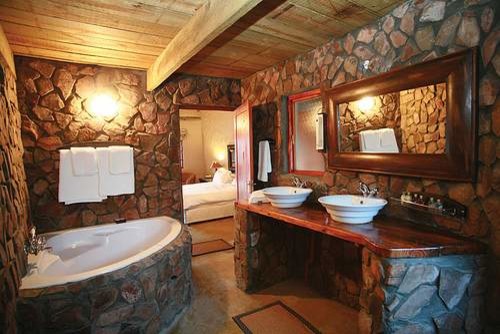
Consider the flow of the space and how you can optimize it for both functionality and comfort. Take measurements and experiment with different fixture placements to ensure that your bathroom will be as functional as possible. You may also want to choose materials that complement the overall aesthetic of your home. Modern, sleek designs often benefit from materials like glass and stone, while traditional designs may look better with wood accents and classic fixtures.
4. Select Materials and Fixtures
Choosing the right materials and fixtures is essential for both the look and durability of your remodeled bathroom. When selecting flooring, wall tiles, countertops, and fixtures, opt for high-quality materials that can stand up to moisture and wear. Porcelain and ceramic tiles are popular choices for bathroom floors and walls due to their durability and ease of cleaning.
For fixtures, consider faucets, showerheads, and lighting that suit both your style preferences and functional needs. Water-saving features, such as low-flow toilets and faucets, are environmentally friendly and can help reduce your water bills. Additionally, pick lighting that offers a balance of ambient, task, and accent lighting to create a well-lit and comfortable space.
5. Demolition and Preparation
Once the design, materials, and fixtures are finalized, the remodeling process can begin. The first step is demolition. This phase involves removing old fixtures, tiles, cabinetry, and any other elements that will be replaced. It’s essential that this process be carried out carefully to prevent damage to the existing plumbing, electrical systems, or walls.
During demolition, make sure the area is secured to avoid accidents, and that debris is disposed of safely. It’s also wise to have a temporary setup for your bathroom if you’re remodeling the only bathroom in your home. Depending on the size of the project, this phase can take a few days to a week, so be prepared for some disruption during this time.
6. Installation of New Fixtures and Finishes
After demolition, the next step is the installation of the new fixtures, including the sink, toilet, shower, and cabinetry. This stage often requires plumbers and electricians to ensure all installations are properly hooked up to the plumbing and electrical systems. Professional contractors will take care of the complex details, such as ensuring proper ventilation to prevent moisture buildup, which can lead to mold growth.
As the fixtures are installed, the team will also begin adding the finishing touches, including tilework, paint, and any custom cabinetry or shelving. This is when the design truly starts to take shape, and you’ll begin to see your vision come to life.
7. Final Inspection and Cleanup
After the installation is complete, it’s time for a final inspection. A bathroom remodel can involve numerous systems and components, so a thorough inspection is crucial to ensure everything is working as expected. Make sure all plumbing is functioning correctly, electrical fixtures are operational, and tiles are properly grouted and sealed.
Once the inspection is complete, the space will need to be cleaned. Remodeling projects often leave behind dust, debris, and materials that need to be removed. A professional contractor should take care of this, leaving your new bathroom spotless and ready for use.
8. Enjoy Your Newly Remodeled Bathroom
With everything finished and cleaned up, your bathroom remodel is complete! Take the time to enjoy your newly renovated space and appreciate the improvements that have made it more functional and aesthetically pleasing. Whether it’s a relaxing bath or a quick morning routine, the fresh updates will enhance your bathroom experience for years to come.
Conclusion
A bathroom remodel can be a rewarding project when approached with careful planning and attention to detail. By following this step-by-step guide, you can ensure a hassle-free bathroom remodeling experience that aligns with your goals and stays within your budget. Hiring the right professionals, selecting quality materials, and staying organized throughout the process will guarantee that your remodel exceeds expectations. With the right team and clear vision, you’ll have a bathroom that’s not only beautiful but also functional for years to come.
Table of Contents