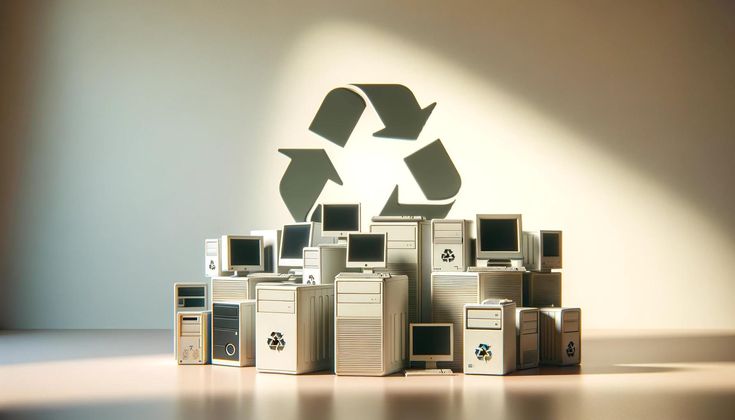
Organizations operating in Dubai continue to upgrade their IT infrastructure to maintain performance, security, and operational efficiency. This constant evolution leads to a steady accumulation of outdated electronic equipment that cannot be discarded through conventional means. Proper handling of such assets requires a structured approach that balances data protection, regulatory compliance, and environmental responsibility.
A growing emphasis on electronic waste recycling in Dubai highlights how businesses are shifting toward organized disposal frameworks. Companies now seek partners who can manage the entire lifecycle of retired equipment, from collection and evaluation to secure data destruction and environmentally compliant recycling. This transition reflects a more disciplined approach to managing IT assets while ensuring sustainability objectives are met.
Defining Electronic Waste in Modern IT Environments
Electronic waste within business environments extends beyond simple desktop systems and includes servers, networking devices, storage units, and peripheral hardware. Each category contains materials that require specific handling processes to ensure safe disposal or potential reuse. Proper identification of these assets is essential for determining the most appropriate recycling method.
Different types of equipment follow distinct processing paths depending on their condition and usability. Some devices may be refurbished and reintroduced into secondary markets, while others require dismantling and material recovery. A structured classification process ensures that each item is handled efficiently and in accordance with regulatory standards.
The Importance of Professional Recycling Providers
Managing electronic waste internally often introduces unnecessary complexity and risk. Without proper expertise, organizations may struggle to ensure secure data removal or comply with environmental regulations. Professional recycling providers address these challenges through standardized procedures and certified handling practices.
Equally important is the logistical aspect of disposal. Coordinated collection services and centralized processing eliminate the need for internal resource allocation. This allows businesses to maintain operational continuity while ensuring that outdated equipment is removed and processed efficiently.
Core Components of a Reliable Recycling Service
A well-structured recycling service integrates multiple processes to ensure that electronic waste is handled responsibly and efficiently across all stages.
Certified Data Destruction Processes
Sensitive business information stored on devices must be permanently erased before recycling begins. Certified data destruction ensures that storage media cannot be accessed or reconstructed, reducing the risk of data breaches.
Organized IT Asset Collection
Efficient pickup services enable businesses to remove large volumes of equipment without disrupting workflows. Proper scheduling and handling ensure smooth transitions during disposal.
Equipment Dismantling and Segregation
Devices are carefully dismantled to separate reusable components from materials that require recycling. This step supports both resource recovery and safe waste management practices.
Environmentally Compliant Recycling
Recycling processes follow established environmental standards to ensure that hazardous materials are treated safely. This minimizes ecological impact and supports sustainability objectives.
Factors to Evaluate Before Choosing a Recycling Partner
Selecting the right provider requires careful consideration of several operational and compliance-related factors that influence the overall effectiveness of the recycling process.
- Certification and compliance standards
Providers must adhere to recognized frameworks for data destruction and environmental handling to ensure proper disposal. - Service efficiency and responsiveness
Timely collection and processing reduce operational delays and improve overall workflow management. - Transparency in reporting and valuation
Clear documentation ensures accountability and supports internal audit requirements. - Infrastructure and processing capability
Access to appropriate recycling facilities ensures responsible handling of all electronic materials.
Managing Bulk Electronic Waste Efficiently
Organizations handling large quantities of electronic equipment require consistent processes that ensure uniform treatment of all assets. Bulk disposal demands careful coordination to maintain accurate records and prevent discrepancies during handling.
Working with specialists experienced in electronic waste recycling in Dubai ensures that each stage follows a standardized workflow. From initial collection to final processing, consistency improves operational efficiency and supports compliance with regulatory expectations. This structured approach allows businesses to manage large inventories without compromising accuracy or accountability.
Operational Benefits of Outsourcing Recycling
Outsourcing electronic waste management introduces several advantages that directly impact operational efficiency and risk mitigation within organizations.
Reduced Internal Resource Allocation
Internal teams often lack the capacity to manage large-scale recycling processes. Delegating these responsibilities allows employees to focus on core business functions.
Regulatory Compliance Assurance
Compliance with electronic waste regulations requires specialized knowledge and adherence to strict guidelines. Professional providers ensure that all processes meet these requirements.
Cost Optimization Through Structured Processes
Efficient recycling and asset recovery can offset disposal costs. Organized workflows also reduce expenses associated with storage and manual handling.
Strengthened Sustainability Metrics
Responsible recycling contributes to environmental goals and enhances corporate responsibility initiatives, supporting long-term sustainability strategies.
Evolving Trends in IT Asset Recycling
The landscape of electronic waste management continues to evolve as businesses adopt more sustainable and technology-driven practices. Circular economy principles are becoming increasingly relevant, encouraging reuse, refurbishment, and efficient material recovery.
Integration of Digital Tracking Systems
Advanced tracking systems enable organizations to monitor the movement of assets throughout the recycling process. This improves transparency and accountability at every stage.
Automation in Data Destruction
Automated data destruction technologies enhance both efficiency and security by ensuring consistent and reliable erasure of sensitive information.
Expansion of Refurbishment Channels
Refurbishment initiatives allow usable equipment to be reintroduced into secondary markets, extending the lifecycle of electronic devices.
Increased Focus on Compliance Documentation
Comprehensive documentation practices support audit requirements and provide clear records of disposal activities, ensuring regulatory adherence.
Final Thoughts
What if managing outdated electronics could become a structured advantage instead of a compliance burden for growing businesses? Organizations that adopt disciplined recycling strategies often gain improved efficiency, stronger data protection, and measurable environmental benefits. A well-defined process transforms disposal into a controlled operation that aligns with both regulatory and operational goals.
For companies seeking dependable solutions, E-Waste IT Recycling provides services that include IT asset collection, secure data destruction, and environmentally responsible recycling processes. Their structured approach supports businesses handling large volumes of equipment while maintaining compliance and operational clarity. Choosing the right partner for E-scrap recycling near me ultimately determines how effectively electronic waste is managed from start to finish.
Table of Contents