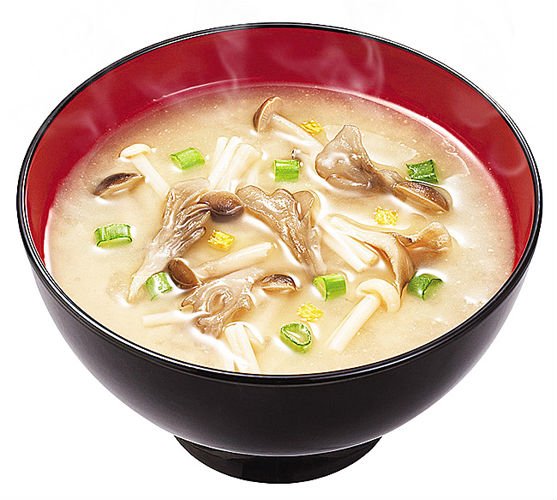
It’s that time of year when the weather starts to get cold and flu-like symptoms start to crop up. Doctors recommend taking antibiotics to fight off any infections, but what about when you don’t have antibiotics handy? In this article, we’ll show you how to make some of the best miso soup packets you can in just 30 minutes using some simple ingredients.
What is a miso soup packet?
Miso soup packets are a quick and easy way to prepare a delicious and healthy miso soup. There are a variety of different miso soup packet recipes available on the internet, so you can find one that is perfect for you. Some of the most popular miso soup packet recipes include chicken miso soup, vegetable miso soup, and seafood miso soup.
To make a chicken miso soup packet, first heat up some water in a pot or tea kettle. Then, add in the contents of the desired miso soup packet to the hot water. Let the mixture boil for about five minutes, or until the chicken has cooked through. Finally, ladle the hot chickenmiso soup into individual bowls and enjoy!
To make a vegetable Miso Soup Packet Recipe, start by heating up some water in a pot or tea kettle. Then, add in the desired amount of soybean paste (or other type of miso) to the hot water. Let the mixture boil for about five minutes, or until all of the ingredients have been dissolved. Finally, ladle the warm vegetable miso soup into individual bowls and enjoy!
If you’re looking for a seafood-centric Miso Soup Packet Recipe, start by heating up some water in a pot or tea kettle. Then, add in the desired amount of bonito flakes to the hot water. Let the mixture boil for about five minutes, or until all of the ingredients have
How to make a miso soup packet?
Making miso soup packets is a breeze, and they make a delicious and nutritious meal. All you need are some basic ingredients and a few minutes of your time. Here are four recipes to get you started:
Miso Soup with Shiitake Mushrooms
Ingredients:
1 tablespoon olive oil
1 small onion, chopped
2 cloves garlic, minced
8 ounces shiitake mushrooms, sliced
4 cups vegetable broth or chicken stock
3 tablespoons white miso paste 1 teaspoon soy sauce 1/4 teaspoon ground black pepper
Instructions: In a large pot or Dutch oven over medium heat, sauté the onion in the oil until softened. Add the garlic and cook for an additional minute. Add the shiitake mushrooms and continue to cook for 5 minutes more, or until the mushrooms have released their liquid and begun to soften. Add the broth or stock and bring to a simmer. Whisk together the miso paste, soy sauce, and black pepper; set aside 1 tablespoon for later use. Ladle about 2 cups of soup into each of 4 individual bowls. Spoon 1 tablespoon of reserved miso paste into each bowl. Divide the chopped scallions among each bowl, then serve immediately.
Different types of miso soups
Miso soup is a Japanese staple that can be enjoyed in a variety of ways. Popular miso soup packets include shiro miso, dashi miso, and tonkotsu miso. Here are four easy miso soup packet recipes you can prepare in minutes:
- Shiro Miso Soup: In this recipe, shiro miso is used to create a light and refreshing miso soup. To make, combine 2 cups of hot water with 1 tablespoon of white miso paste and stir until the paste has dissolved. Bring the mixture to a simmer before serving.
- Dashi Miso Soup: This simple dashi miso soup relies on seafood stock and bonito flakes for flavor. To make, combine 1 cup of hot water with 2 tablespoons of dashi powder and stir until the powder has dissolved. Bring the mixture to a simmer before serving.
- Tonkotsu Miso Soup: This rich and hearty tonkotsu miso soup features thick pork bone brothstock and soy sauce for depth of flavor. To make, combine 2 cups of hot water with 1 tablespoon of black or white miso paste and stir until the paste has dissolved. Bring the mixture to a simmer before serving.
- Kombu-Simmered Chicken Miso Soup: For this variation, chicken stock is simmered with kombu seaweed for added umami flavor. To make, combine 2 cups of
Recipes for different types of miso soups
In this blog post, we will be discussing different recipes for miso soup packets. Miso soup is a popular dish in many parts of the world and can be enjoyed as a light lunch or dinner. The type of miso soup you choose to make will depend on your preferences and what ingredients are available to you.
Here are some recipes for different types of miso soup packets:
- Japanese Hot & Sour Soup: This recipe calls for dashi (stock) and water to be simmered until they form a clear broth. In addition, green onions, garlic, ginger, soy sauce, and sugar are added to the pot. A packet of Japanese hot & sour soup mix is then added before serving.
- Easy Vegetable Soup: This recipe calls for vegetable stock, onion powder, garlic powder, celery seed, dried thyme leaves, salt, black pepper, and bay leaves to be blended together until smooth. Next, diced potatoes and carrots are added along with frozen corn and canned tomatoes. Lastly, a packet of vegetable soup mix is stirred in before serving.
- Turkish Lentil Soup: This recipe starts with lentils that have been rinsed and drained before being cooked in water with additional spices such as cumin powder, coriander seeds, red pepper flakes, ground turmeric root (haldi), salt, and chicken or beef bone bouillon cubes. Once the lentils are cooked through (about
Alternatives to the miso soup packet
If you’re looking for an easy and quick soup recipe, consider making miso soup using a packet. There are a variety of different miso soup packets on the market, so you can find one that is perfect for your taste. Some of the most popular miso soup packets include: ramen noodle, chicken noodle, vegetable, and seafood.
To make a basic miso soup using a packet, simply boil water in a pot and add the desired packet. Let the soup simmer for about 5 minutes or until heated through. For more complex flavors, try adding additional ingredients such as ginger, garlic, soy sauce, or dashi broth to the packet. You can also experiment with different types of noodles to create unique variations of the classic miso soup.
Table of Contents