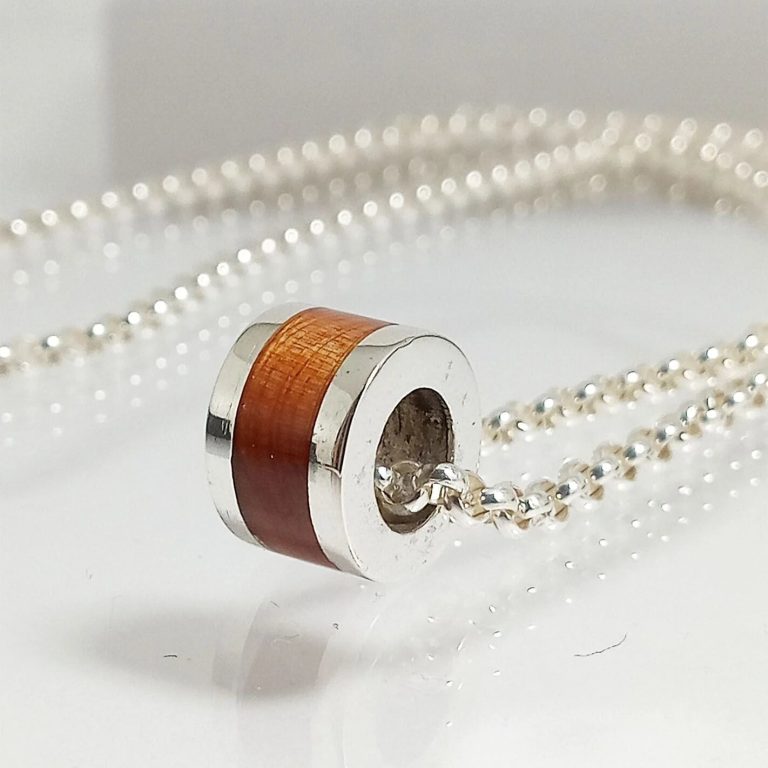
Silver malas have been cherished for centuries in various Eastern spiritual traditions, where they are revered not only as tools for meditation but also as symbols of purity, protection, and spiritual connection. The use of malas in spiritual practices dates back thousands of years, with silver malas holding a special place in the hearts of practitioners due to the unique properties of silver. This article delves into the rich history and tradition of silver malas, exploring their origins, cultural significance, and role in Eastern spirituality.
The Origins of Malas in Eastern Traditions
The word “mala” comes from the Sanskrit word for “garland” and traditionally refers to a string of prayer beads used in meditation, prayer, and other spiritual practices. The use of malas can be traced back to ancient India, where they were first employed by Hindus as a tool to aid in the repetition of mantras, a practice known as “japa.”
Early Use in Hinduism
In Hinduism, malas are often made from materials like rudraksha seeds, sandalwood, or gemstones, each chosen for their specific spiritual properties. Silver malas, though less common than their wooden or seed counterparts, have always held a unique place due to silver’s association with the moon and divine feminine energy. Silver malas were often used in rituals dedicated to lunar deities, symbolizing purity, reflection, and emotional balance.
Adoption in Buddhism
As Buddhism spread from India to other parts of Asia, the use of malas also became integral to Buddhist practice. Buddhists adopted the mala as a meditation tool to count recitations of mantras, chants, or the Buddha’s name. The tradition of using 108 beads in a mala is shared between Hinduism and Buddhism, with the number holding deep spiritual significance in both religions.
In Tibetan Buddhism, silver malas are particularly valued for their protective and purifying qualities. Tibetan Buddhists believe that silver malas help to deflect negative energy and enhance the practitioner’s focus and spiritual insight. The use of silver, often in combination with other materials like turquoise or coral, is seen as a way to balance and harmonize the mind and spirit.
Cultural Significance of Silver in Eastern Spirituality
Silver has long been revered in various Eastern cultures, not just for its beauty, but for its profound symbolic meanings. In many Eastern spiritual traditions, silver is associated with the moon, water, and feminine energy, making it a powerful metal for spiritual practices.
Symbolism of the Moon and Water
The moon has always been a symbol of the subconscious mind, intuition, and the cyclical nature of life. Silver, with its reflective and luminous qualities, is naturally linked to the moon and its influence. In many Eastern cultures, the moon is seen as a calming, protective force, and silver malas are used to harness these lunar energies during meditation and spiritual rituals.
Similarly, water is a symbol of purity, fluidity, and emotional depth. Silver’s connection to water elements further enhances its use in spiritual practices aimed at emotional healing, balance, and introspection.
Protection and Purity
Throughout history, silver has been believed to possess protective qualities, warding off evil spirits and negative energies. In Eastern traditions, wearing or meditating with a silver mala is thought to create a shield of positive energy around the practitioner. The metal’s natural antibacterial properties also contribute to its symbolism of purity and cleansing, both physically and spiritually.
The Feminine Divine
In many Eastern spiritual practices, silver is associated with the feminine divine, often representing goddesses of the moon, water, and night. The use of silver malas in rituals and meditations dedicated to these deities reflects the metal’s connection to feminine energies, such as intuition, compassion, and emotional wisdom.
The Role of Silver Malas in Meditation and Ritual
Silver malas play a vital role in various meditation practices and rituals, where they serve as both spiritual tools and symbols of deeper truths. Their use extends beyond simple counting devices; they are seen as conduits of divine energy, amplifying the intentions of the practitioner.
Meditation and Mantra Recitation
In both Hindu and Buddhist traditions, silver malas are commonly used to count recitations of mantras, a practice that helps to focus the mind and deepen meditation. Each bead on the mala represents a repetition of a sacred phrase, prayer, or mantra, helping the practitioner to stay grounded and centered.
The act of moving through the silver beads while reciting a mantra is believed to not only enhance concentration but also to purify the mind and spirit. The cooling, soothing energy of silver helps to calm the mind, making it easier to achieve a meditative state and connect with higher spiritual realms.
Ritual Use in Lunar and Goddess Worship
Given silver’s association with the moon and feminine energy, silver malas are often used in rituals dedicated to lunar deities and goddesses. These malas are believed to carry the energy of the moon, making them powerful tools for rituals that involve cycles, transitions, and emotional healing. Practitioners use silver malas to honor the feminine divine, seek protection, and enhance their intuitive abilities.
Protective Talismans
In addition to their use in meditation and ritual, silver malas are also worn as protective talismans. The belief in silver’s ability to ward off negative energies makes these malas popular among those seeking spiritual protection. Wearing a silver mala is thought to create an energetic barrier that shields the wearer from harm and enhances their spiritual resilience.
The Evolution of Silver Malas in Contemporary Spirituality
While silver malas have their roots in ancient traditions, they continue to be used and cherished in modern spiritual practices. Today, they are embraced not only by practitioners of Hinduism and Buddhism but also by those who follow various spiritual paths.
Modern Interpretations and Uses
In contemporary spirituality, silver malas are often seen as versatile tools that can be used for a wide range of practices, including mindfulness, energy healing, and personal empowerment. The symbolism of silver as a metal that bridges the physical and spiritual realms makes it a popular choice for those looking to deepen their spiritual connection.
Silver Malas in Global Spirituality
As Eastern spiritual practices have spread across the globe, the use of malas, including silver malas, has been adopted by people from diverse backgrounds. The universal appeal of silver’s protective, purifying, and balancing properties has made these malas popular in various New Age and holistic healing communities.
Conclusion
The history and tradition of silver malas are deeply intertwined with the spiritual practices of Eastern cultures. From their origins in ancient Hindu and Buddhist rituals to their continued use in modern spirituality, silver malas have proven to be enduring symbols of protection, purity, and spiritual connection. Whether used in meditation, ritual, or as a protective talisman, silver malas continue to hold a special place in the hearts of spiritual seekers around the world, serving as both beautiful adornments and powerful tools for personal and spiritual growth.
Table of Contents