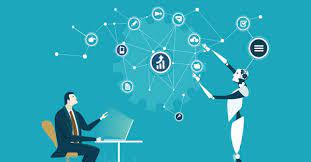
The integration of Artificial Intelligence (AI) in various industries has ushered in a new era of efficiency, innovation, and transformation. One domain where the impact of AI is particularly pronounced is Human Resources (HR). This article delves into the multifaceted impact of AI in HR, exploring the ways in which it is reshaping traditional HR practices and contributing to the evolution of the workplace.
Automated Resume Screening
AI-powered tools are revolutionizing the recruitment process by automating resume screening. These systems analyze resumes, assess candidates based on predefined criteria, and shortlist the most qualified individuals. This not only accelerates the hiring process but also ensures a more objective evaluation of applicants.
Predictive Analytics for Candidate Matching
AI employs predictive analytics to match candidates with job requirements. By analyzing historical data and patterns, AI algorithms identify the characteristics of successful employees, enabling recruiters to make more informed decisions about candidate suitability and cultural fit.
Chatbots for Interaction
AI-driven chatbots are enhancing the candidate experience by providing instant responses to queries, guiding applicants through the application process, and offering real-time updates on application status. This automation ensures a seamless and responsive interaction, creating a positive impression on candidates.
Personalized Communication
AI enables personalized communication with candidates. Automated emails, interview scheduling, and feedback mechanisms are tailored to individual candidates, fostering a more engaging and human-centric experience throughout the recruitment journey.
Automated Onboarding Processes
AI streamlines employee onboarding through automated processes. From document submissions to training module recommendations, AI systems ensure a smoother transition for new hires, allowing HR teams to focus on more strategic aspects of the onboarding experience.
Personalized Learning Paths
AI in HR facilitates personalized learning paths for employees. By assessing individual skills, preferences, and job requirements, AI algorithms recommend relevant training programs, fostering continuous learning and skill development within the organization.
Workforce Analytics
AI empowers HR professionals with workforce analytics, providing insights into employee performance, engagement, and retention. By analyzing these metrics, HR teams can make data-driven decisions, identify areas for improvement, and proactively address challenges within the organization.
Predictive Analytics for Employee Retention
Predictive analytics is employed to identify factors contributing to employee turnover. By analyzing historical data, AI algorithms can predict which employees are at risk of leaving, allowing HR teams to implement retention strategies and mitigate talent loss.
Continuous Performance Monitoring
AI enables continuous performance monitoring through real-time feedback mechanisms. Automated performance tracking systems analyze employee contributions, milestones, and goals, providing ongoing assessments that can inform development plans and appraisals.
360-Degree Feedback Analysis
AI processes 360-degree feedback data, offering a comprehensive view of an employee’s performance from multiple perspectives. This holistic analysis contributes to fair and unbiased performance evaluations, fostering a culture of transparency and accountability.
AI in Bias Reduction
AI plays a crucial role in reducing unconscious biases in HR processes. From recruitment to performance evaluation, AI algorithms are designed to assess candidates and employees based on merit, mitigating biases related to gender, ethnicity, or other factors that could impact decision-making.
Data-Driven Diversity Strategies
By analyzing demographic data, AI helps HR teams formulate data-driven diversity and inclusion strategies. Understanding the composition of the workforce allows organizations to implement targeted initiatives that promote equality and inclusivity.
Personalized Employee Engagement Programs
AI personalizes employee engagement programs by analyzing individual preferences, work patterns, and communication styles. Tailored initiatives, such as wellness programs or recognition strategies, contribute to higher levels of employee satisfaction and engagement.
Sentiment Analysis
AI-driven sentiment analysis tools gauge employee sentiment through various channels, including surveys, social media, and communication platforms. This real-time feedback enables HR teams to address concerns promptly, fostering a positive and supportive workplace culture.
Challenges and Considerations
Data Privacy and Security
The increased use of AI in HR raises concerns about data privacy and security. HR teams must ensure compliance with data protection regulations and implement robust security measures to safeguard sensitive employee information.
Ethical Use of AI
Ensuring the ethical use of AI in HR practices is crucial. Transparency in AI algorithms, avoiding discriminatory practices, and regularly auditing systems for biases are essential steps to maintain fairness and accountability.
Employee Resistance and Trust
The introduction of AI in HR may face resistance from employees concerned about job security and the impact of automation. Building trust through transparent communication and emphasizing the supportive role of AI is vital for successful integration.
Conclusion
The impact of AI in Human Resources is transformative, enhancing efficiency, objectivity, and strategic decision-making. From revolutionizing recruitment processes to personalizing employee experiences, AI is reshaping HR practices and contributing to the evolution of the workplace. As organizations navigate the complexities of AI adoption, a thoughtful and ethical approach ensures that these