
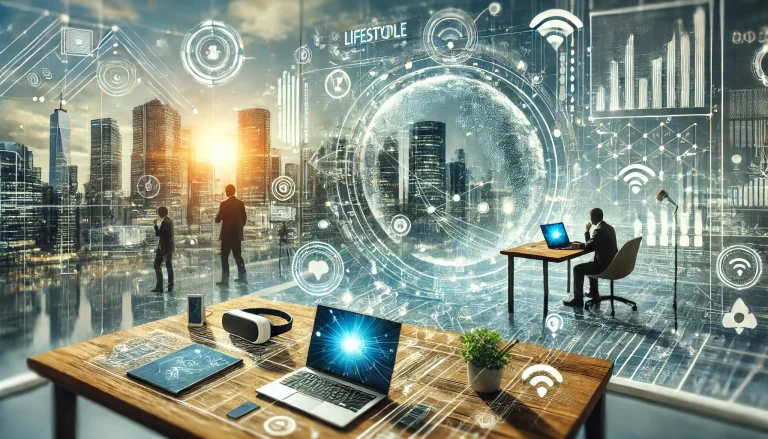
In today’s fast-paced world, technology is not just a tool it’s a transformative force reshaping the way businesses operate, lifestyles evolve, and cultures interact. The convergence of business, lifestyle, and technology has created an ecosystem where each influences the other, often in unexpected and innovative ways. From remote work trends to the rise of smart homes and wearable tech, understanding this intersection is key to thriving in the modern landscape.
1. The Digital Lifestyle Revolution: Beyond Gadgets and Gizmos
Gone are the days when technology was confined to computers and smartphones. We are living in a time where technology is seamlessly integrated into our daily routines, from fitness trackers that monitor our health to smart appliances that anticipate our needs. This digital lifestyle revolution is not just about convenience; it’s about enhancing the quality of life by personalizing experiences and empowering consumers to take control of their routines.
For businesses, this shift represents both a challenge and an opportunity. On one hand, companies must constantly innovate to keep up with consumer expectations. On the other, they can tap into new revenue streams by offering products and services that cater to this tech-driven lifestyle. Consider the rapid growth of subscription services that offer everything from curated fashion boxes to gourmet meal kits delivered to the doorstep. These are not just business models; they are lifestyle solutions enabled by technology.
2. Remote Work and the Blurring of Boundaries
The pandemic has accelerated a trend that was already gaining momentum: remote work. What was once considered a perk is now a norm for millions. This shift has redefined the concept of work-life balance, blending professional and personal spheres in unprecedented ways. Technology has made this possible, with tools like Zoom, Slack, and Microsoft Teams becoming essential to slot777 everyday operations.
But the impact goes beyond just tools. Businesses are now rethinking their strategies, from hiring practices to office spaces. Many are opting for hybrid models that allow flexibility, while others are fully embracing remote-first policies. This transition has created opportunities for tech companies to develop innovative solutions tailored to a remote workforce, such as virtual reality meeting rooms or AI-powered project management tools.
For employees, the new landscape offers more freedom, but also requires a different approach to managing time and productivity. Balancing work and leisure in the same environment demands discipline and new habits, which in turn influence lifestyle choices – from home office setups to wellness practices.
3. Wearable Technology: The New Frontier of Lifestyle Business
Wearable technology is no longer a novelty; it is a thriving sector that intersects health, fitness, and fashion. From smartwatches that monitor heart rates and sleep patterns to augmented reality glasses that blend digital information with the real world, wearables have become a staple of modern living. This trend offers businesses a wealth of opportunities to engage consumers in new and meaningful ways.
The key to success in this space lies in innovation and integration. Companies are increasingly partnering with healthcare providers, fitness brands, and even fashion designers to create products that are both functional and fashionable. The result? Wearables that don’t just track steps but offer comprehensive health analytics, personalized fitness coaching, and even mood tracking. This data-driven approach allows businesses to build deeper relationships with their customers by providing insights that can lead to healthier and more fulfilling lifestyles.
4. The Rise of Smart Homes: Living in the Future Now
Smart home technology is another example of how the intersection of business, lifestyle, and technology is reshaping the consumer experience. From smart thermostats that learn your schedule to home assistants like Amazon Alexa and Google Home that control lighting, security, and entertainment systems, the concept of a connected home is becoming mainstream.
For businesses, this trend opens up a vast new market. Companies are developing products that are not just smart but intuitive, integrating AI and machine learning to offer personalized experiences. Imagine a home that knows your preferred lighting settings for different times of the day or a refrigerator that suggests recipes based on its contents. These innovations not only enhance comfort and convenience but also offer a unique selling point in an increasingly crowded marketplace.
5. Sustainable Tech: The New Business Imperative
As the world becomes more aware of environmental issues, sustainability is no longer an option but a necessity for businesses. This shift is particularly evident in the technology sector, where consumers are demanding eco-friendly products and practices. From energy-efficient devices to sustainable manufacturing processes, businesses are under pressure to adopt greener practices.
The move towards sustainability is also influencing lifestyle choices. Consumers are increasingly opting for brands that align with their values, whether it’s choosing a smartphone with a longer lifespan or a wearable made from recycled materials. For businesses, this means that sustainability is not just about compliance; it’s about building trust and loyalty in a market that values transparency and responsibility.
6. Social Media and the Business of Influence
Social media platforms have evolved into powerful tools for marketing, communication, and brand building. They have also democratized influence, allowing individuals – from celebrities to micro-influencers – to shape trends and consumer behavior. For businesses, this has created new avenues for engagement, where traditional advertising falls short.
The business of influence is now a key part of lifestyle marketing. Brands are leveraging the reach and authenticity of influencers to connect with niche audiences in ways that feel more genuine and organic. This trend is reshaping marketing strategies, pushing brands to create content that resonates on a personal level rather than relying solely on broad-spectrum advertising campaigns.
7. Future Trends: What’s Next at the Crossroads of Business, Lifestyle, and Technology?
Looking ahead, the convergence of business, lifestyle, and technology shows no signs of slowing down. Innovations like 5G, the Internet of Things (IoT), and advanced AI are poised to take this intersection to new heights. Businesses that can anticipate and adapt to these changes will be well-positioned to thrive in a landscape where consumer expectations are constantly evolving.
The future slot gacor hari ini may see even more personalized and immersive experiences, from virtual shopping assistants that use AR to a completely digital financial ecosystem powered by blockchain. As these technologies mature, they will redefine how we work, play, and live, blurring the lines between online and offline, virtual and reality.
Conclusion
In a world https://www.icariapure.com/ where technology shapes our daily lives more than ever, understanding the intersection of business, lifestyle, and tech is crucial for staying relevant and competitive. As businesses continue to innovate and adapt to these changes, they must remain focused on creating value, enhancing experiences, and fostering trust. Those who succeed will not only shape the future but will also set the standard for the new digital economy.
Table of Contents