



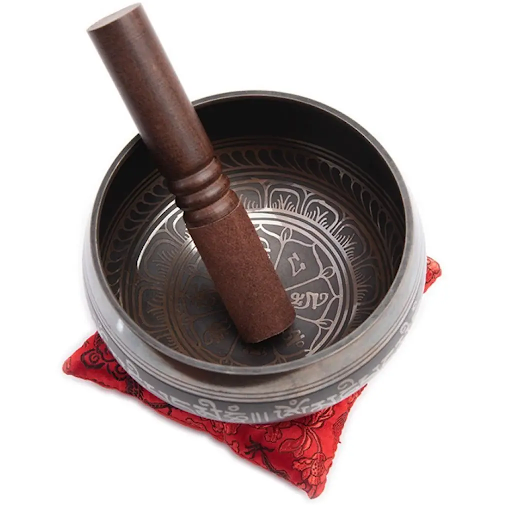
Sound healing is deeply connected to the traditions of the Himalayan region, where artisans have refined their craft over centuries to create instruments with profound therapeutic value. Within the first moments of a healing session, the resonance of singing bowls for healing establishes a calming atmosphere that supports mental clarity, emotional balance, and energetic alignment. This effectiveness is not accidental; it is the result of precise craftsmanship, cultural wisdom, and intentional design rooted in Himalayan heritage.
Foundations of Himalayan Artisanal Knowledge
Himalayan craftsmanship is built on generational knowledge that blends spirituality, metallurgy, and acoustic understanding. Each instrument reflects a disciplined process that prioritizes harmony between material and sound.
- Generational Skill Transmission
Artisans learn their craft through direct mentorship, often beginning at a young age. This ensures techniques remain consistent while preserving subtle refinements developed over time. Such continuity allows healing instruments to retain their traditional acoustic integrity.
- Spiritual Intent in Creation
Crafting is approached as a mindful practice rather than a mechanical task. Artisans often work with focused intention, believing that mindset influences resonance. This approach enhances the emotional depth of the sound produced during healing sessions.
- Cultural Preservation
The creation of sound healing instruments supports the preservation of the Himalayan cultural identity. Each piece carries a symbolic meaning that connects modern practitioners with ancient wellness traditions.
Material Selection and Acoustic Integrity
The choice of materials plays a central role in determining how sound interacts with the body and environment. Himalayan artisans emphasize balance and durability in their selections.
- Metal Composition Balance
Traditional alloys are chosen for their ability to produce layered harmonics. These harmonics create immersive sound fields that support relaxation and energetic release during healing practices.
- Durability and Resonance Stability
Carefully selected metals maintain tonal consistency even with repeated use. This stability ensures reliable sound output, which is essential for practitioners who conduct regular healing sessions.
- Natural Sound Projection
Materials are selected to allow sound waves to travel smoothly through space. This natural projection supports group sessions by evenly distributing vibrations across the healing environment.
Influence of Traditional Forging Techniques
Forging methods determine the tonal richness and vibrational depth of Himalayan sound instruments. Manual shaping allows artisans to control acoustic characteristics with precision.
- Controlled Hammering Patterns
Repeated hammering strengthens the bowl’s structure while influencing pitch and sustain. Each strike contributes to a layered resonance that enhances sound immersion.
- Thermal Shaping Processes
Heating and cooling cycles affect metal flexibility and tone clarity. These processes allow artisans to refine sound quality, ensuring the instrument responds accurately during healing sessions.
- Unique Acoustic Identity
No two handcrafted instruments sound exactly alike. This individuality allows practitioners to select instruments that align with specific therapeutic goals.
Role of Traditional Bowls in Healing Practices
Traditional bowls remain central to sound therapy due to their versatility and depth of resonance. Many practitioners rely on singing bowls of Tibet to create grounding and centering experiences.
- Mindfulness Enhancement
The sustained tones encourage focused awareness, helping participants remain present during sessions. This focus supports deeper meditative states and emotional calm.
- Energy Flow Support
Vibrations from these bowls interact with the body’s energetic pathways. Practitioners often use them to encourage balance and release stagnation.
- Adaptability Across Modalities
These bowls integrate seamlessly into meditation, yoga, and holistic therapy practices, making them valuable tools across wellness disciplines.
Acoustic Depth and Therapeutic Impact
The depth of sound produced by Himalayan instruments directly affects their therapeutic impact. Craftsmanship ensures that vibrations remain consistent and effective.
- Layered Harmonic Resonance
Multiple sound layers interact to create immersive auditory experiences. These layers stimulate relaxation and emotional release during extended sessions.
- Sustained Vibrational Duration
Longer resonance reduces the need for frequent striking, allowing uninterrupted healing environments. This continuity supports deeper mental and physical relaxation.
- Balanced Frequency Distribution
Carefully shaped instruments produce both low and high frequencies. This balance addresses multiple aspects of well-being, from grounding to mental clarity.
Complementary Instruments in Sound Healing Sessions
Sound healing often incorporates multiple instruments to create a holistic experience. Practitioners may include bulk Tibetan tingsha bells to enhance session structure and flow.
- Session Transitions
Clear bell tones are commonly used to signal the beginning or end of healing phases. This auditory cue helps participants shift awareness smoothly.
- Focus Reinforcement
Sharp, resonant sounds cut through ambient noise, drawing attention back to the present moment. This reinforcement supports sustained mindfulness.
- Group Synchronization
In group settings, bells help unify participant focus. Consistent tones encourage collective relaxation and energetic alignment.
Integration of Craftsmanship in Modern Wellness
Himalayan craftsmanship continues to influence contemporary wellness practices by offering tools that combine tradition with practical functionality.
- Professional Therapy Use
Wellness practitioners value handcrafted instruments for their reliability and depth. These tools support structured healing protocols and personalized sessions.
- Home Meditation Practices
Individuals incorporate traditional instruments into personal routines to create calming environments. Their authentic sound quality enhances daily mindfulness rituals.
- Educational and Retreat Settings
Workshops and retreats often use Himalayan instruments to introduce participants to sound healing. Craftsmanship ensures consistent performance across varied settings.
Sustainability and Ethical Craft Practices
Ethical craftsmanship contributes to the long-term value of Himalayan sound healing instruments. Responsible practices support both artisans and the environment.
- Artisan Livelihood Support
Traditional crafting provides a stable income for skilled artisans. Supporting these practices helps sustain local communities and preserve cultural heritage.
- Environmentally Conscious Methods
Many artisans use minimal mechanization, reducing environmental impact. This approach aligns with the holistic philosophy of sound healing.
- Long-Term Instrument Value
Durable craftsmanship ensures instruments remain functional for years. This longevity reduces waste and reinforces sustainable consumption.
Conclusion
Himalayan craftsmanship remains a defining factor in the effectiveness of sound healing sessions, influencing everything from acoustic depth to spiritual authenticity. The thoughtful selection of materials, precise forging techniques, and cultural knowledge embedded in each instrument contribute to meaningful healing experiences. The inclusion of complementary tools such as bulk Tibetan tingsha bells further enhances session structure and focus, creating balanced and immersive soundscapes.
For practitioners and enthusiasts seeking authentic instruments that honor tradition while supporting modern wellness, turning to a trusted source makes a meaningful difference. Rooted in respect for heritage and quality, Himalayan Bazaar brings together expertly crafted Himalayan sound healing instruments that reflect both cultural integrity and therapeutic excellence, supporting deeper, more effective healing journeys.
Table of Contents

