Introduction
A. Understanding Omega-3 Fatty Acids
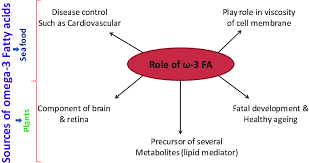
Omega-3 fatty acids, often hailed as essential nutrients, play a pivotal role in maintaining overall health. This section aims to provide insights into the types of omega-3s and their crucial functions within the body.
B. Importance of Incorporating Omega-3s
Recognizing the importance of integrating omega-3 fatty acids into our diets is vital. From heart health to cognitive function, these fatty acids contribute significantly to various aspects of well-being.
Types of Omega-3 Fatty Acids
A. Alpha-Linolenic Acid (ALA)
The journey begins with ALA, a plant-based omega-3 found in flaxseeds, chia seeds, and walnuts. This section elaborates on how ALA serves as a precursor for other omega-3s.
B. Eicosapentaenoic Acid (EPA) and Docosahexaenoic Acid (DHA)
Delve into the marine-derived omega-3s, EPA and DHA, predominantly found in fatty fish like salmon and mackerel. Understanding their distinct roles in promoting heart and brain health is essential.
Benefits for Heart Health
A. Lowering Triglyceride Levels
Explore how omega-3s contribute to lowering triglyceride levels, a crucial factor in reducing the risk of cardiovascular diseases. Unveil the connection between these fatty acids and heart health.
B. Maintaining Healthy Blood Pressure
Dive into the role of omega-3s in maintaining healthy blood pressure levels, showcasing their impact on cardiovascular well-being.
Brain Health and Cognitive Function
A. Supporting Brain Development
Shift focus to the significance of omega-3s, particularly DHA, in supporting brain development, especially in infants and young children.
B. Cognitive Benefits in Adults
Uncover the cognitive benefits associated with omega-3 consumption in adults, emphasizing its potential to stave off age-related cognitive decline.
Anti-Inflammatory Properties
A. Reducing Inflammation
Navigate through the anti-inflammatory properties of omega-3s, elucidating how these fatty acids contribute to managing chronic inflammatory conditions.
B. Impact on Joint Health
Highlight the potential benefits of omega-3s in maintaining joint health, providing relief from conditions characterized by inflammation.
Omega-3s and Mental Health
A. Depression and Anxiety
Explore the intriguing link between omega-3 intake and mental health, particularly in reducing symptoms of depression and anxiety.
B. Attention Deficit Hyperactivity Disorder (ADHD)
Shed light on research suggesting a potential connection between omega-3s and alleviating symptoms in individuals with ADHD.
Pregnancy and Omega-3s
A. Importance for Fetal Development
Emphasize the critical role of omega-3s, especially DHA, in fetal brain and eye development during pregnancy.
B. Benefits for Expectant Mothers
Discuss the potential benefits of omega-3 supplementation for expectant mothers, including a lower risk of preterm birth.
Sources of Omega-3 Fatty Acids
A. Fatty Fish
Provide a comprehensive list of fatty fish rich in EPA and DHA, including salmon, mackerel, and sardines, and highlight their significance as omega-3 sources.
B. Plant-Based Sources
Explore plant-based sources of omega-3s, such as flaxseeds, chia seeds, hemp seeds, and walnuts, catering to various dietary preferences.
Omega-3 Supplements
A. Considerations Before Supplementing
Offer insights into factors individuals should consider before opting for omega-3 supplements, emphasizing the importance of a balanced diet.
B. Choosing the Right Supplement
Guide readers on selecting high-quality omega-3 supplements, considering factors like purity, concentration, and sustainability.
Incorporating Omega-3s into the Diet
A. Balanced Meal Ideas
Provide practical tips and meal ideas for incorporating omega-3-rich foods into a balanced diet, making it accessible for readers to integrate these nutrients.
B. Cooking Methods to Preserve Omega-3s
Offer cooking tips to preserve the nutritional value of omega-3-rich foods, ensuring that readers get the maximum benefits from their dietary choices.
Conclusion
A. Recap of Key Points
Summarize the main benefits and sources of omega-3 fatty acids discussed in the article, reinforcing the idea that omega-3s are indispensable for holistic health.
B. Encouraging a Balanced Approach
Conclude by encouraging readers to adopt a balanced approach to omega-3 intake, combining dietary sources and, if necessary, supplements to reap the full spectrum of benefits.
Table of Contents