
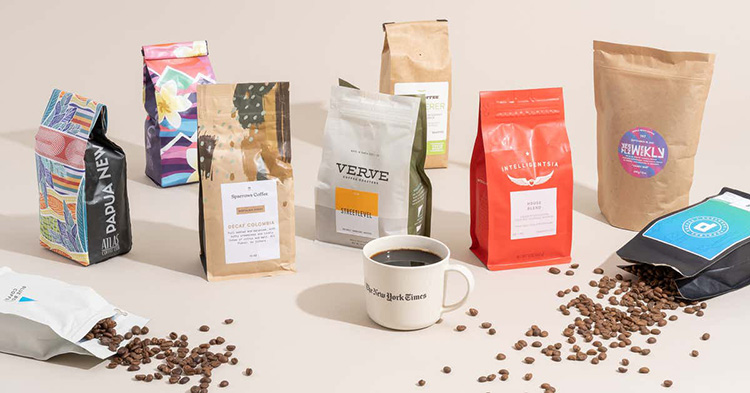
Coffee lovers know that the key to a great cup of coffee lies not just in the quality of the beans but also in the preservation of their freshness. Once coffee beans are ground, they are more exposed to environmental factors like oxygen, moisture, and light, which can quickly degrade their flavor and aroma. This is where coffee powder bags come into play. The science behind these bags is crucial in preserving the aromatic and flavorful essence of ground coffee. In this article, we delve into how coffee powder bags protect your coffee and ensure a fresh, vibrant cup every time.
The Importance of Freshness in Ground Coffee
Freshness is paramount when it comes to ground coffee. When beans are ground, they release aromatic oils and gases that are key to the rich flavors we associate with a good cup of coffee. However, exposure to air causes these oils to oxidize, which leads to the loss of flavor. The fine particles of ground coffee have a much larger surface area, making them more vulnerable to these effects compared to whole beans. The faster coffee oxidizes, the faster it loses its appeal. Understanding the science behind the protection provided by coffee powder bags can help extend the life of your coffee’s flavor.
How Coffee Powder Bags Preserve Freshness
- Oxygen Barrier
One of the biggest enemies of coffee is oxygen. When ground coffee is exposed to air, it begins to oxidize, leading to the loss of the essential oils and gases that give coffee its distinctive aroma and taste. Coffee powder bags are designed with multi-layer materials that act as barriers to oxygen, slowing down the oxidation process and preserving the coffee’s freshness. Common materials used in these bags include foil and plastic, which have excellent oxygen-barrier properties. - Moisture Control
Ground coffee can easily absorb moisture from the air, which can cause clumping, mold, and a significant loss of flavor. Coffee powder bags are made from moisture-resistant materials that help keep humidity out. This moisture barrier is critical in maintaining the texture and flavor integrity of the coffee. - UV Light Protection
UV light can degrade the oils in coffee, causing the coffee to lose its aroma and flavor. To combat this, many coffee powder bags are opaque or dark in color, which helps to block harmful UV rays. This protection ensures that the coffee’s essential oils are kept intact, preserving the flavor for a longer period. - Heat Resistance
Exposure to high temperatures can cause chemical changes in coffee, accelerating the degradation of flavor. Coffee powder bags are designed with heat-resistant properties that protect the contents during transport and storage, ensuring that the coffee remains cool and stable.
The Role of One-Way Valves
Freshly roasted coffee releases carbon dioxide (CO2), which can cause a coffee bag to swell if not properly vented. One-way valves are a key component of many coffee powder bags. These valves allow CO2 to escape from the bag while preventing oxygen from entering. This feature is essential for maintaining the freshness of the coffee. The release of CO2 also helps to reduce the buildup of pressure inside the bag, preventing damage to the packaging and ensuring that the coffee remains undisturbed.
The Chemistry of Coffee’s Aroma and Taste
To understand why preserving coffee’s freshness is so important, it’s essential to know the science behind its aroma and taste. Coffee’s flavor comes from a complex blend of hundreds of chemical compounds, including aromatic oils, acids, and sugars. These compounds interact in ways that produce the rich, nuanced flavors we enjoy in every cup. When coffee is ground, these compounds are exposed to air, making them more vulnerable to oxidation. By protecting the coffee from oxygen, moisture, light, and heat, coffee powder bags help maintain the delicate balance of these compounds, ensuring that the coffee’s aroma and taste remain intact.
The Materials Behind Effective Coffee Powder Bags
- Foil Layers
Foil is commonly used in coffee powder bags because it has superior oxygen-barrier properties. Foil layers prevent oxygen from reaching the coffee, significantly slowing down the oxidation process. - Kraft Paper
Kraft paper is a popular material due to its durability and natural look. It is often used in conjunction with foil to offer a balance of strength and protection against light and moisture. - Plastic Laminates
High-density plastics are often used in combination with other materials to provide additional protection from moisture and light while maintaining the structural integrity of the bag. - Biodegradable and Compostable Options
As sustainability becomes increasingly important to consumers, some coffee powder bags are being made from biodegradable or compostable materials. These bags combine environmental responsibility with functionality by providing the same level of protection as traditional materials.
Why Packaging Design Matters
The design of coffee powder bags is also a crucial factor in freshness preservation. Features like resealable zippers, gusseted sides, and stand-up pouches offer convenience and ensure that the bag remains airtight after each use. The bag design also plays a role in ease of storage, making it easier for consumers to maintain a consistent and protected environment for their coffee.
Conclusion
The science behind coffee powder bags is essential in preserving the aroma, taste, and overall freshness of ground coffee. By employing innovative materials, one-way valves, and moisture, oxygen, and light barriers, these bags provide the perfect environment to maintain the integrity of your coffee’s flavor for a longer period. Understanding how these packaging solutions work can help you select the right bags to keep your ground coffee fresh and flavorful, ensuring that every cup is as enjoyable as the first.
Table of Contents