



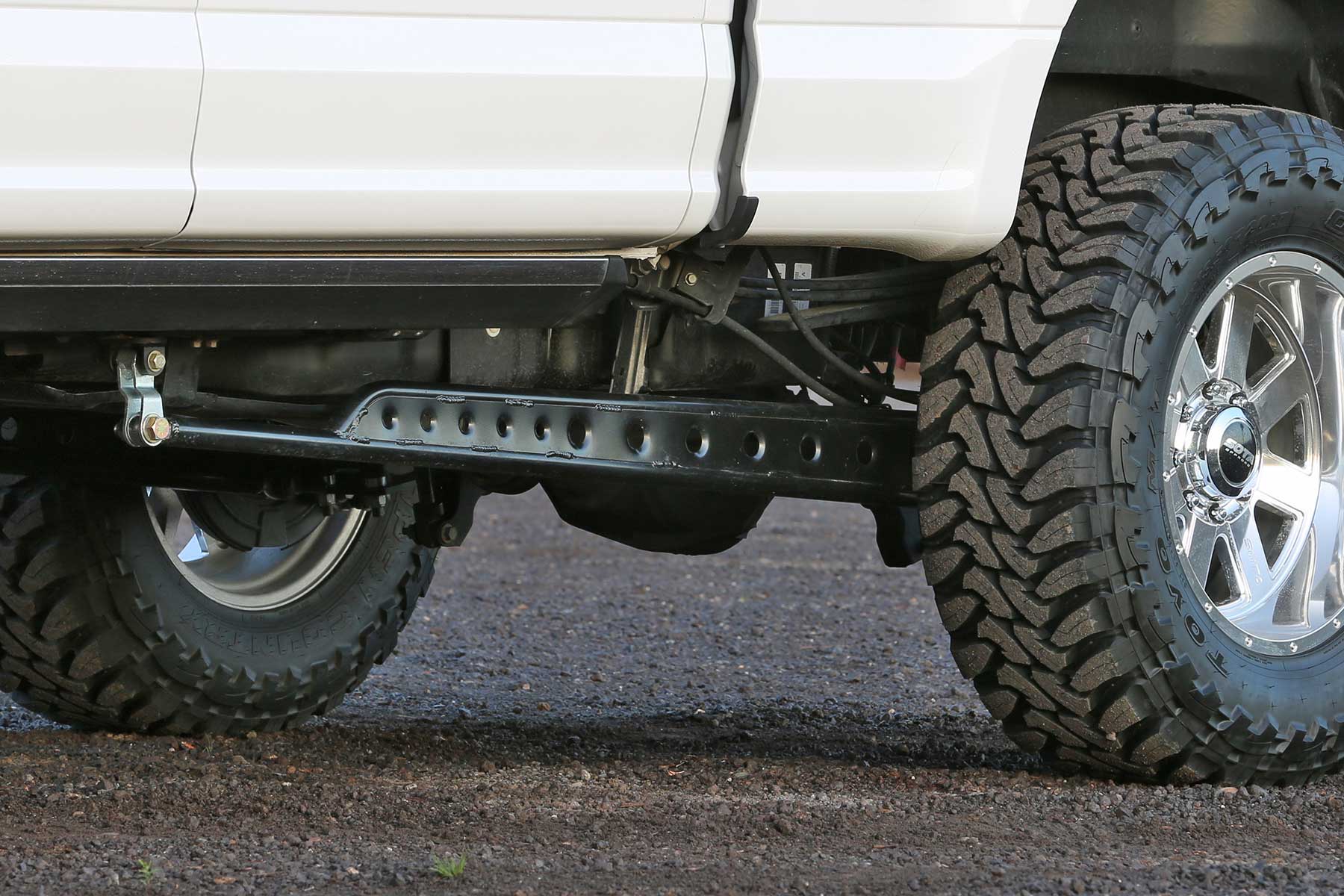
Traction bars are essential components in vehicles, especially in high-performance or off-road vehicles. They play a crucial role in enhancing traction, stability, and overall performance. Traction bars are typically installed in the rear suspension system of vehicles, although they can also be used in the front suspension in some cases.
How Traction Bars Work
Traction bars work by limiting the movement of the rear axle, which helps in preventing wheel hop and axle wrap. Wheel hop occurs when the tires lose traction and then suddenly regain it, causing the wheels to hop up and down. Axle wrap, on the other hand, happens when the axle twists due to the torque from the engine, which can lead to damage to the drivetrain components. Traction bars help in reducing these issues by providing additional support and stability to the rear axle.
Benefits of Traction Bars
- Improved Traction: Traction bars help in improving traction by minimizing wheel hop and axle wrap, especially during hard acceleration or off-road driving.
- Enhanced Stability: By limiting the movement of the rear axle, traction bars improve the stability of the vehicle, especially when carrying heavy loads or towing.
- Reduced Wear and Tear: Traction bars can help in reducing wear and tear on the drivetrain components, such as the driveshaft, differential, and axle, by minimizing excessive movement and vibrations.
- Better Control: With improved traction and stability, drivers can have better control over their vehicles, especially in challenging driving conditions.
Types of Traction Bars
- Ladder Bars: Ladder bars are the most common type of traction bar, consisting of two parallel bars that attach to the rear axle and the frame of the vehicle. They provide excellent traction and stability but can limit the suspension travel.
- Slapper Bars: Slapper bars are simpler in design, consisting of a single bar that attaches to the rear axle and uses a “slapper” mechanism to limit axle movement. They are less effective than ladder bars but are easier to install and maintain.
- Wishbone Bars: Wishbone bars are more complex in design, consisting of a triangulated bar that attaches to the rear axle and the frame of the vehicle. They provide excellent traction and stability and allow for more suspension travel compared to ladder bars.
Installation of Traction Bars
Installing traction bar requires some mechanical knowledge and tools. It involves attaching the bars to the rear axle and the frame of the vehicle, ensuring that they are securely fastened and aligned properly. It is recommended to consult a professional mechanic for installation to ensure proper fitment and functionality.
Conclusion
Traction bars are essential components in enhancing the performance and stability of vehicles, especially in high-performance or off-road applications. They help in improving traction, stability, and control, while also reducing wear and tear on drivetrain components. Installing traction bar can be a great investment for those looking to improve their vehicle’s performance and handling.
Table of Contents

