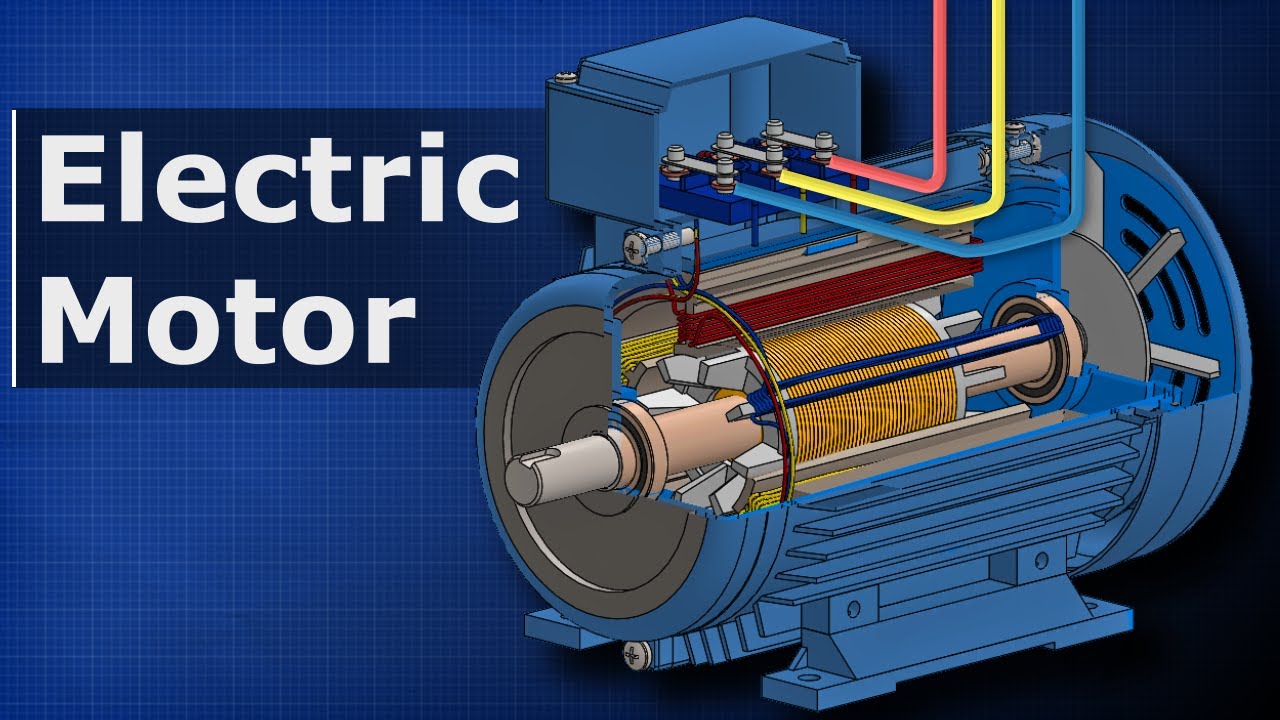
Three-phase motors are the cornerstone of industrial applications, offering high efficiency and reliable power output. Measuring and optimizing the power of a three-phase motor is essential to ensure its performance, reduce energy consumption, and extend its lifespan. In this article, we’ll explore how to measure three-phase motor power accurately and provide key tips to optimize performance.
Understanding Three-Phase Motor Power
The total power consumed by a three-phase motor consists of three components:
- Active Power (P) – Measured in kilowatts (kW), it represents the actual power used for performing work.
- Reactive Power (Q) – Measured in kilovolt-amperes reactive (kVAR), it represents the power stored and released by inductive loads.
- Apparent Power (S) – Measured in kilovolt-amperes (kVA), it is the combination of active and reactive power.
Formula for Apparent Power
S=P2+Q2S = \sqrt{P^2 + Q^2}S=P2+Q2
Power Factor
The power factor (PF) is the ratio of active power to apparent power. It indicates how efficiently electrical power is being converted into useful work. A power factor close to 1.0 is ideal.Power Factor=PS\text{Power Factor} = \frac{P}{S}Power Factor=SP
How to Measure Three-Phase Motor Power
1. Using a Power Meter
A digital power meter is the most accurate tool for measuring active, reactive, and apparent power. It provides real-time monitoring of voltage, current, and power factor.
2. Calculating Power Manually
If you have access to voltage and current measurements, you can calculate the power using the following formulas:
a. Active Power (P)
For a balanced three-phase system:P=3×V×I×cos(ϕ)P = \sqrt{3} \times V \times I \times \cos(\phi)P=3×V×I×cos(ϕ)
- V = Line voltage (V)
- I = Line current (A)
- cos(φ) = Power factor
b. Apparent Power (S)
S=3×V×IS = \sqrt{3} \times V \times IS=3×V×I
c. Reactive Power (Q)
Q=S2−P2Q = \sqrt{S^2 – P^2}Q=S2−P2
Example Calculation:
For a three-phase motor with the following parameters:
- Voltage = 400 V
- Current = 10 A
- Power Factor = 0.85
Active Power (P):P=3×400×10×0.85=5.89 kWP = \sqrt{3} \times 400 \times 10 \times 0.85 = 5.89 \, \text{kW}P=3×400×10×0.85=5.89kW
Apparent Power (S):S=3×400×10=6.93 kVAS = \sqrt{3} \times 400 \times 10 = 6.93 \, \text{kVA}S=3×400×10=6.93kVA
Reactive Power (Q):Q=6.932−5.892=3.88 kVARQ = \sqrt{6.93^2 – 5.89^2} = 3.88 \, \text{kVAR}Q=6.932−5.892=3.88kVAR
Tips to Optimize Three-Phase Motor Performance
1. Improve Power Factor
Low power factor results in higher energy losses. Installing power factor correction capacitors can reduce reactive power and improve overall efficiency.
2. Regular Maintenance
- Inspect and clean motor windings regularly to avoid overheating.
- Check for misalignment and worn-out bearings to reduce mechanical losses.
3. Use Variable Frequency Drives (VFDs)
VFDs adjust the motor speed according to load requirements, improving efficiency and reducing energy consumption.
4. Avoid Overloading
Operating the motor beyond its rated capacity can cause excessive heating and reduce efficiency. Ensure that the motor is appropriately sized for the application.
5. Monitor Voltage Imbalance
Voltage imbalance can cause increased losses and shorten motor life. Regularly monitor and correct any imbalance in the power supply.
Common Applications Where Optimization Matters
- Manufacturing Plants: Reducing energy consumption in conveyors, pumps, and compressors can result in significant cost savings.
- HVAC Systems: Optimizing motor performance in fans and chillers improves system reliability and reduces operational costs.
- Renewable Energy Systems: Efficient motor operation ensures maximum power generation and minimal losses.
- Water Treatment Plants: Proper motor maintenance and optimization are essential for continuous, reliable operation of pumps.
Conclusion
Measuring and optimizing three-phase motor power is critical for improving efficiency, reducing energy costs, and extending motor life. By understanding how to calculate power and applying proven optimization techniques, you can enhance the performance of your motor and ensure long-term reliability.
Accurate power monitoring and regular maintenance are the keys to maximizing the benefits of your three-phase motor and reducing operational expenses.
Table of Contents