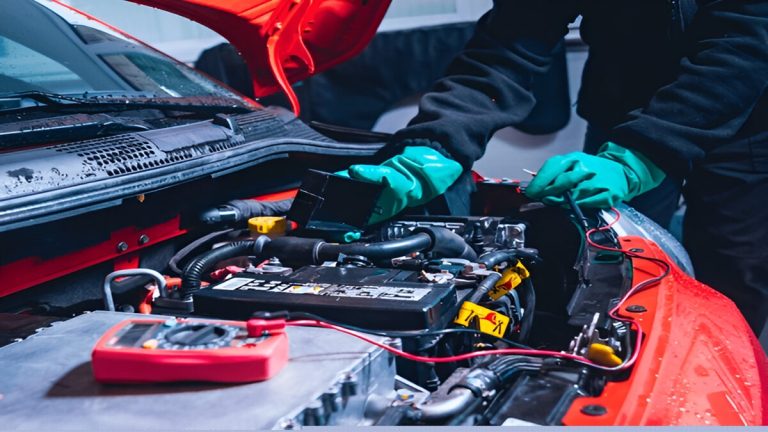
Modern vehicles rely on increasingly complex electrical systems that control everything from engine performance to advanced safety features. When electrical problems emerge, they often manifest through subtle symptoms that gradually worsen over time. Ignoring these warning signs can lead to complete system failures, dangerous driving conditions, and costly repairs down the road. Recognizing the critical symptoms that demand immediate professional attention helps vehicle owners address issues before they escalate into major problems. This guide explores the five most telling signs that your car needs an auto electrician’s expertise right away.
Persistent Battery Issues Despite Replacement
A failing battery represents one of the most common electrical problems, but when battery troubles persist after installation of a new unit, deeper electrical system issues likely exist. If you experience repeated dead batteries, slow cranking even with a fresh battery, or need frequent jump-starts, your vehicle may have a parasitic drain or charging system malfunction. The alternator might not be properly replenishing the battery’s charge while driving, or an electrical component could be drawing power when the vehicle is off. These conditions require an auto electrician’s diagnostic equipment to measure current draw and test charging system output. Modern vehicles with numerous electronic modules can develop difficult-to-trace drains that demand specialized knowledge to identify and repair properly.
Flickering or Dimming Lights During Operation
Headlights, dashboard lights, or interior illumination that fluctuate in brightness indicate serious electrical system instability. This symptom often appears when accelerating, using accessories, or at idle, suggesting problems with voltage regulation or inadequate current supply. The alternator’s voltage regulator may be failing to maintain consistent electrical output, or corroded wiring and connections could be creating excessive resistance. Some vehicles exhibit light dimming when powerful accessories engage, but consistent or severe flickering points to underlying electrical faults. An auto electrician can perform voltage drop tests and charging system analysis to pinpoint whether the issue stems from the alternator, wiring, or ground connections. Ignoring this symptom risks complete electrical failure while driving.
Burning Smells or Melted Wiring
The distinct odor of burning plastic or electrical insulation in your vehicle demands immediate attention from a qualified auto electrician. This warning sign often accompanies visible melting of wire insulation, discolored fuse box connections, or overheating electrical components. These conditions typically result from excessive current flow creating dangerous heat buildup in wires and connectors. Common culprits include short circuits, overloaded circuits, or corroded connections creating resistance. Continued operation with these symptoms risks electrical fires or damage to expensive control modules. A professional can trace the overheating source, repair damaged wiring with proper techniques, and identify any underlying causes that need addressing to prevent recurrence.
Erratic Electronic Behavior and Warning Lights
Modern vehicles use complex networks of electronic control units that communicate through intricate wiring systems. When these systems malfunction, drivers may experience random warning lights, non-functional accessories, or bizarre electronic behavior like windows operating on their own or gauges giving false readings. These symptoms often indicate communication breakdowns between modules, failing sensors, or problems with the vehicle’s data network. Diagnosing these issues requires specialized scan tools and wiring diagrams that auto electricians possess. The problem could range from something simple like a bad ground connection to more complex issues like a failing body control module. Prompt professional diagnosis prevents cascading electrical failures and potential safety system malfunctions.
Complete Electrical Failure While Driving
The most alarming electrical symptom—sudden loss of power while operating the vehicle—constitutes an emergency requiring immediate auto electrician attention. This may manifest as complete loss of lighting, stalling engine, or all electronics shutting off while driving. Such catastrophic failures typically stem from broken battery connections, severed main power cables, or failed alternators in older vehicles. In modern cars, they may indicate critical faults in power distribution systems or primary electrical components. These situations create dangerous driving conditions and potential accidents, especially if failure occurs at night or in traffic. A professional can safely diagnose and repair the root cause while ensuring all safety-critical systems regain proper functionality.
The Importance of Professional Electrical Diagnostics
While some vehicle owners attempt basic electrical repairs, modern automotive systems demand professional expertise for accurate diagnosis and repair. Auto electricians possess specialized tools like advanced multimeters, wiring diagrams, and manufacturer-specific scan tools that go beyond basic code readers. They understand how to properly trace wiring faults without causing additional damage and know the specific electrical quirks of different makes and models. Perhaps most importantly, they can determine whether an electrical symptom indicates a simple fix or a more serious underlying issue that could affect vehicle safety and reliability. Investing in professional electrical services ultimately saves money by preventing misdiagnosis and ensuring repairs are done correctly the first time.
Preventive Measures to Avoid Electrical Problems
While some electrical issues develop unexpectedly, regular maintenance can prevent many common problems. Periodic inspection of battery terminals for corrosion, checking wiring harnesses for damage, and ensuring proper fuse ratings all contribute to electrical system health. Using dielectric grease on connections in humid climates prevents corrosion, while keeping electrical components clean avoids moisture-related issues. Addressing minor electrical quirks promptly prevents them from developing into major failures. However, when the five warning signs discussed appear, only professional electrical service can properly resolve the underlying issues and restore your vehicle to safe operating condition.
Choosing the Right Auto Electrician for Your Vehicle
Not all repair shops possess equal expertise in automotive electrical systems. When facing serious electrical issues, seek specialists with credentials in auto electrical work, preferably with experience working on your vehicle’s make and model. Look for shops equipped with OEM-level diagnostic equipment and technicians who regularly attend training on evolving automotive technologies. Ask about warranty coverage on electrical repairs and whether they provide detailed explanations of diagnosed problems. A qualified auto electrician should be able to clearly explain the issue, proposed solution, and preventive measures to avoid recurrence.
Table of Contents