



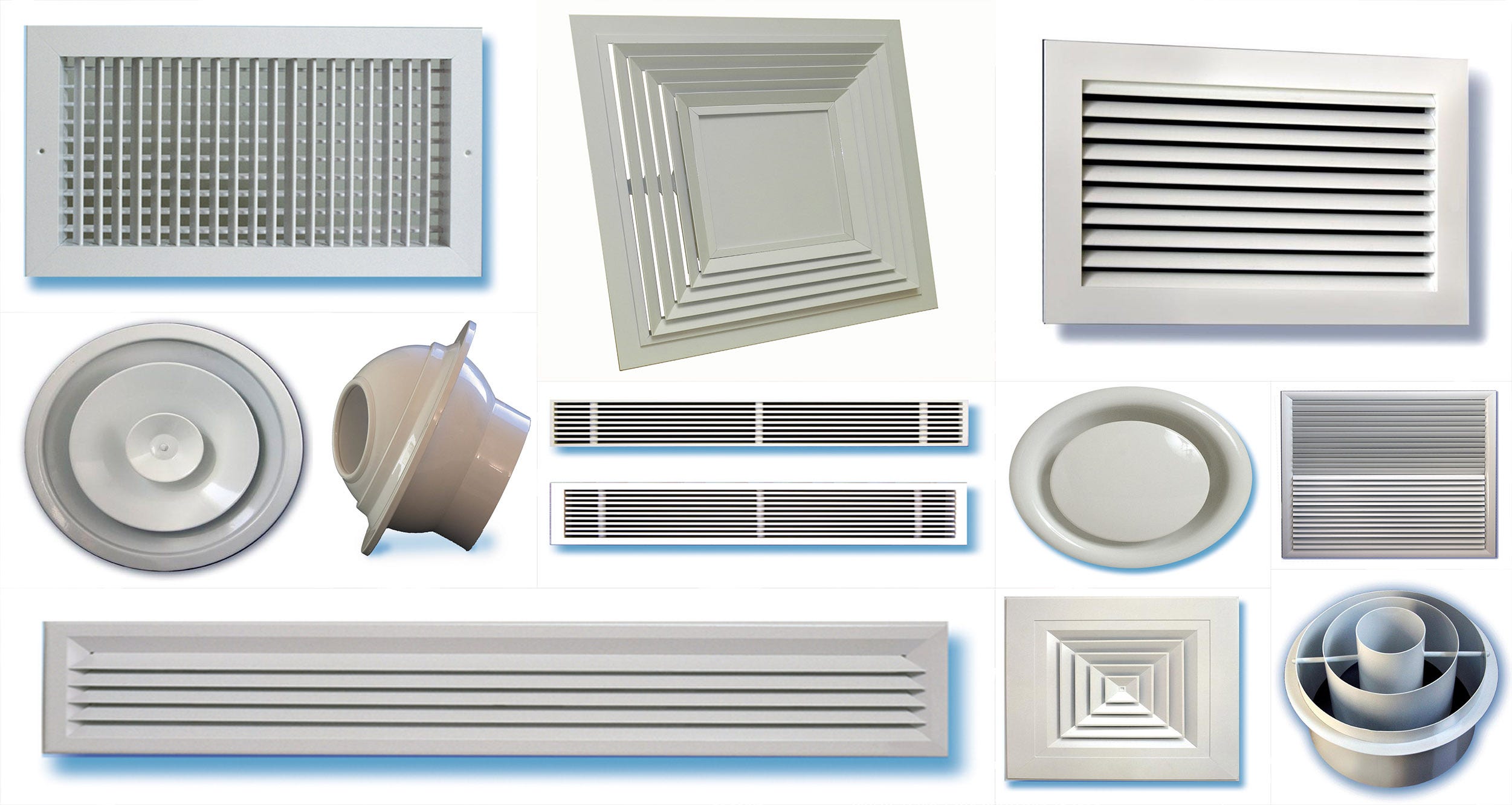
Choosing HVAC air distribution components is not just a procurement decision—it directly impacts airflow efficiency, indoor comfort, and long-term system performance. Since grilles and diffusers are responsible for how air enters, exits, and circulates within a space, selecting the right manufacturer is essential for reliable results in any HVAC project.
Evaluating grilles and diffusers manufacturers requires more than comparing price lists. It involves assessing quality standards, engineering capability, materials, and production consistency to ensure long-term performance and system efficiency.
Why Manufacturer Selection Matters
In HVAC systems, even small variations in grille or diffuser design can affect airflow balance, noise levels, and energy consumption. Poor manufacturing quality can lead to uneven air distribution, increased fan load, and reduced occupant comfort.
Reliable manufacturers help ensure:
- Stable and uniform airflow performance
- Reduced system pressure loss
- Longer product lifespan
- Better compliance with HVAC design requirements
Material Quality and Environmental Suitability
One of the most important factors when evaluating manufacturers is the quality of materials used in production. HVAC components must perform under varying temperature and humidity conditions.
Common materials used include:
- Aluminum for corrosion resistance and lightweight performance
- Steel for structural strength in demanding environments
- Plastic for cost-effective residential applications
High-quality manufacturers select materials based on application environment, ensuring durability and consistent performance over time.
Engineering Design and Airflow Performance
Manufacturers differ significantly in their engineering capabilities. Advanced design ensures better airflow distribution, lower noise, and improved energy efficiency.
Key performance factors include:
- Air throw distance and distribution pattern
- Pressure drop across the diffuser or grille
- Noise control (important for offices, hospitals, and hotels)
- Blade or slot geometry for optimized airflow
Well-engineered products help maintain balanced indoor conditions and reduce HVAC system strain.
Product Range and Application Flexibility
A strong manufacturer should offer a wide variety of grilles and diffusers to suit different HVAC applications.
Common product categories include:
- Ceiling diffusers for uniform air distribution
- Linear slot diffusers for modern architectural spaces
- Swirl diffusers for large open areas
- Return air grilles for air extraction systems
- Adjustable and fixed blade grilles
Different airflow requirements across residential, commercial, and industrial projects demand flexible product options.
Manufacturing Quality and Consistency
Consistency is a key indicator of a reliable manufacturer. In large HVAC projects, multiple identical units are installed across a building, so variation in performance must be minimized.
Important manufacturing quality factors include:
- Precision machining and uniform dimensions
- Strict tolerance control
- Smooth surface finishing
- Batch-to-batch consistency
Manufacturers with strong quality control systems reduce installation issues and improve system reliability.
Compliance with Industry Standards
Top manufacturers follow recognized HVAC and building standards to ensure safety and performance.
Common standards include:
- ASHRAE guidelines for airflow and ventilation performance
- ISO quality management systems
- Local building codes and mechanical regulations
Compliance ensures products are suitable for global and commercial HVAC applications and meet engineering expectations.
Customization Capabilities
Many HVAC projects require tailored solutions, especially in modern architectural designs or large-scale commercial buildings.
Reliable manufacturers often provide:
- Custom sizes and shapes
- Special airflow direction configurations
- Decorative finishes for architectural integration
- Application-specific designs for industrial or cleanroom environments
Customization ensures better system integration and improved performance efficiency.
Production Capacity and Delivery Reliability
For contractors and developers, delivery timelines are critical. A capable manufacturer should be able to handle both small and large orders without compromising quality.
Key indicators include:
- Scalable production capacity
- Stable supply chain management
- Reliable lead times for custom orders
- Efficient logistics coordination
Delays in HVAC components can directly impact construction schedules, making reliability essential.
Technical Support and Engineering Assistance
Beyond manufacturing, strong technical support is a major advantage when selecting suppliers.
Professional manufacturers often provide:
- Product selection guidance based on airflow calculations
- Installation recommendations
- Technical documentation and specifications
- Project-specific engineering support
This helps ensure correct product application and improved system performance.
Conclusion
Selecting the right grilles and diffusers manufacturers is a critical step in achieving efficient HVAC system performance. Factors such as material quality, engineering design, manufacturing consistency, and industry compliance all contribute to long-term reliability and comfort.
By carefully evaluating grilles and diffusers manufacturers, engineers and project managers can ensure balanced airflow distribution, reduced energy consumption, and improved indoor comfort across a wide range of applications.
Table of Contents

