



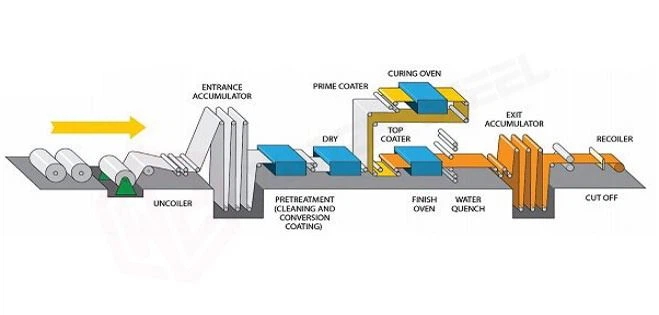
In metal processing industries, continuous coating systems are essential for producing high-quality steel and aluminum products with durable and visually appealing finishes. However, even well-designed production systems can encounter operational issues that affect coating quality, efficiency, and consistency. Understanding how to identify and resolve these problems is key to maintaining stable production performance.
A modern color coating line integrates multiple stages such as pretreatment, coating application, curing, and recoiling into a continuous workflow. Because these stages are closely interconnected, a minor issue in one section can impact the entire production process. Effective troubleshooting helps minimize downtime, reduce waste, and ensure consistent product quality.
Uneven Coating Thickness
One of the most common issues in coating operations is uneven coating thickness across the metal surface. This can lead to poor appearance, reduced corrosion resistance, and product rejection.
Typical causes include:
- Incorrect roller gap settings in coating units
- Variations in coating viscosity
- Improper line speed control
- Worn or misaligned coating rollers
To resolve this issue, operators should regularly calibrate coating equipment, maintain consistent coating material viscosity, and ensure proper synchronization between line speed and application systems.
Poor Adhesion Between Coating and Metal Surface
Adhesion failure is a critical defect that can cause peeling or flaking of the coating layer. This issue often originates in the pretreatment stage.
Common reasons include:
- Inadequate surface cleaning or degreasing
- Insufficient chemical conversion treatment
- Moisture or contamination on the metal surface
- Incorrect curing temperature or time
Improving pretreatment quality and ensuring proper oven curing conditions can significantly enhance coating adhesion and durability.
Surface Defects and Visual Imperfections
Surface defects such as bubbles, streaks, pinholes, or orange peel texture can negatively impact product appearance and quality standards.
These issues may result from:
- Air entrapment during coating application
- Contaminated coating materials
- Inconsistent oven temperature distribution
- Excessive or insufficient coating thickness
Regular maintenance of coating equipment and strict control of process parameters help minimize these defects.
Curing Problems in the Oven Section
The curing process is essential for ensuring coating strength and durability. Problems in this stage can lead to incomplete curing or overheating.
Possible causes include:
- Incorrect oven temperature settings
- Poor airflow or heat distribution
- Irregular line speed affecting exposure time
- Faulty temperature sensors or controllers
Operators should routinely inspect oven systems, calibrate sensors, and monitor temperature profiles to ensure proper curing conditions.
Line Instability and Mechanical Issues
Mechanical instability can disrupt the entire production process and reduce efficiency. Issues may include tension fluctuations, misalignment, or vibration.
Common causes include:
- Worn mechanical components such as bearings or rollers
- Improper tension control settings
- Coil quality variations
- Lack of routine maintenance
Preventive maintenance and real-time monitoring systems are essential for maintaining stable line operation.
Coating Color Inconsistency
Color variation is a significant concern, especially in industries requiring precise visual matching such as construction and appliances.
This issue may be caused by:
- Inconsistent pigment mixing
- Variations in coating thickness
- Temperature fluctuations during curing
- Differences in raw material batches
Strict quality control of coating materials and stable process conditions help ensure consistent color output.
Preventive Maintenance and Process Optimization
Preventing issues before they occur is more effective than corrective actions. A structured maintenance strategy improves reliability and reduces downtime.
Best practices include:
- Regular inspection and cleaning of equipment
- Calibration of sensors and control systems
- Monitoring of coating viscosity and chemical balance
- Training operators for early fault detection
Automation systems also play a key role in detecting abnormalities and maintaining process stability in real time.
Conclusion
Troubleshooting in a color coating line requires a comprehensive understanding of both mechanical and chemical processes involved in continuous metal coating. From coating thickness variations to curing issues and surface defects, each problem has specific root causes that can be effectively managed through proper maintenance, process control, and operator expertise. By addressing these challenges proactively, manufacturers can ensure stable production, high-quality output, and improved operational efficiency in modern metal processing environments.
Table of Contents

