



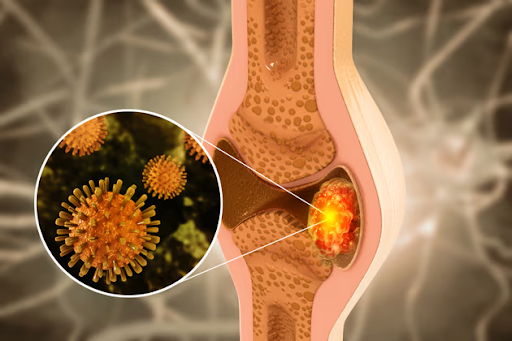
Bone cancer is an uncommon condition that develops when abnormal cells grow within the bones. It can affect different age groups depending on the cancer type. Early diagnosis and timely treatment can support better recovery and improve quality of life. Many people searching for the best hospital for bone cancer treatment in India look for experienced specialists and suitable treatment options. Bone cancer care often involves orthopaedic oncologists, medical oncologists, radiation specialists, and rehabilitation teams working together to provide personalised treatment plans.
What Is Bone Cancer?
Primary bone cancer begins within the bone itself, while secondary bone cancer spreads from another part of the body. Although primary bone cancer is uncommon, it requires proper medical evaluation and specialised care to identify the tumour type, stage, and suitable treatment approach.
Symptoms may include persistent bone pain, swelling around the joints, stiffness, or difficulty moving the affected area. Some bones may also become weaker over time. Doctors usually recommend imaging tests and biopsies because several bone conditions can present with similar symptoms.
Osteosarcoma
Osteosarcoma is one of the most common primary bone cancers and mainly affects teenagers and young adults. It usually develops near the knees or the upper arm bones during periods of rapid bone growth and requires early medical attention to improve management outcomes.
Doctors often treat osteosarcoma using chemotherapy and surgery. Chemotherapy may help shrink the tumor before surgery and reduce the risk of recurrence after treatment. Surgery focuses on removing the tumour while preserving movement whenever possible, followed by rehabilitation support to improve recovery and mobility.
Chondrosarcoma
Chondrosarcoma develops in cartilage cells and commonly affects adults above the age of 40. It often appears in the pelvis, shoulder, or upper leg bones. Compared to certain bone cancers, this type may grow more slowly and require careful long-term monitoring after treatment.
Surgery is usually the primary treatment because chemotherapy and radiation therapy may not respond effectively in many cases. Doctors aim to remove the tumour completely while protecting nearby tissues and joints. The treatment plan depends on tumour grade and overall disease progression.
Ewing Sarcoma
Ewing sarcoma mainly affects children, teenagers, and young adults. It commonly develops in the pelvis, ribs, legs, or arms. This cancer may spread quickly if left untreated, which makes timely diagnosis and careful treatment planning important for better long-term management and recovery.
Doctors generally use chemotherapy, surgery, and radiation therapy together to treat Ewing sarcoma. Chemotherapy helps target cancer cells throughout the body, while surgery or radiation therapy focuses on the tumour area. Regular follow-up appointments help doctors monitor recovery and detect recurrence early.
Chordoma
Chordoma is a rare type of bone cancer that usually develops along the spine or at the base of the skull. It often grows slowly, but it may affect nearby nerves and tissues over time if treatment is delayed or incomplete.
Surgery is commonly the main treatment approach for chordoma. Due to the tumour’s location, these procedures require careful planning by experienced surgical teams. Radiation therapy may also support treatment when complete tumour removal becomes difficult, followed by regular long-term monitoring and follow-up care.
Common Treatment Approaches Used in Bone Cancer Care
Bone cancer treatment depends on several factors, including tumour type, stage, location, and overall patient health. Doctors may recommend one treatment or a combination of approaches according to the patient’s condition and recovery requirements. Some commonly used treatment approaches include:
- Surgery: Surgery helps remove the tumour while preserving movement and physical function whenever possible. Some patients may also require implants or bone grafts after tumour removal to support recovery and mobility.
- Chemotherapy: Chemotherapy uses medicines to destroy cancer cells or slow their growth. Doctors commonly recommend this treatment for osteosarcoma and Ewing sarcoma as part of a planned treatment programme.
- Radiation Therapy: Radiation therapy uses high-energy rays to target cancer cells. It may help treat tumours located near sensitive areas where surgery becomes difficult or requires additional support.
- Rehabilitation and Follow-Up: Physiotherapy and rehabilitation programmes support recovery after treatment. Regular follow-up appointments also help doctors monitor healing, assess progress, and identify concerns at an early stage.
These treatment approaches often work together to support long-term management and improve daily functioning after treatment. People searching for the best hospital for bone cancer treatment in India often consider specialist expertise, multidisciplinary care, and access to advanced diagnostic support.
Conclusion
Bone cancer includes several different conditions, and each type requires a specific treatment approach. Osteosarcoma, chondrosarcoma, Ewing sarcoma, and chordoma differ in their growth patterns and treatment response. Early diagnosis, accurate assessment, and coordinated medical care remain important throughout treatment. With suitable treatment and rehabilitation support, many patients can manage the condition effectively and improve their quality of life over time.
Table of Contents

