
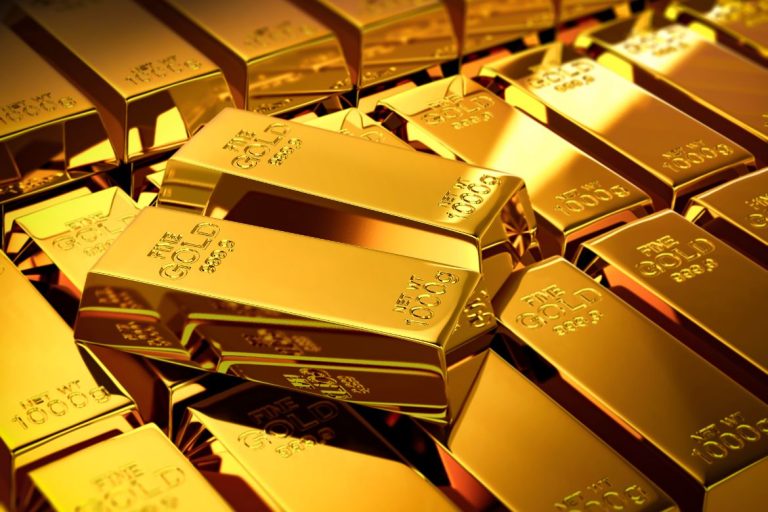
What is gold, really?
Is it merely a shiny metal, or does its value lie deeper in its rarity, its purity, or its role in economies and cultures? Let’s ask a few questions to uncover the truth about gold purity and how it influences what buyers, especially gold buyers, are willing to pay.
What Does “Gold Purity” Mean?
If someone says a ring is 24-karat gold, what exactly are they saying? Does it mean the ring is 100% pure gold? Why 24 and not 100?
In the world of precious metals, gold purity is measured in karats, with 24 karats representing pure gold—or as close to 100% as commercially possible. So, if a piece is 18K, it means it is 18 parts gold and 6 parts other metals (like silver, copper, or zinc). But why do we mix gold with other metals?
Why Isn’t All Jewellery Made of Pure Gold?
Would pure gold be the most desirable material for all uses? Or might its softness pose a problem?
Pure gold is too soft for practical application and jewellery, so it is mixed with other metals to make it more durable. This means that while a 14K ring, is less “pure,” it might be more suitable for daily wear than the purest 24K gold one. Isn’t it interesting that “less pure” can sometimes be more useful?
How Does Purity Affect Price?
Would you expect to pay the same for 10K gold as you would for 22K? Why not?
The higher the purity, the higher the price of a gram or ounce of gold. Gold buyers typically calculate value based on the percentage of gold content. So, a 10K item (about 41.7% gold) would be worth significantly less per gram than a 22K piece (about 91.7% gold). But is price only about purity?
What Other Factors Affect What Buyers Pay?
If two gold necklaces are both 18K, will they always have the same price? What about design, brand, or weight?
Buyers consider many factors:
- Weight (measured in grams or ounces)
- Purity (karats)
- Craftsmanship
- Market price of gold (which fluctuates daily)
- Brand reputation or historical value
So, while purity plays a big role, it’s just one part of a larger equation.
So when gold buyers make an offer, they aren’t just buying a piece of metal. They’re evaluating a story: the karat rating, the craftsmanship, the market conditions, and the confidence you bring as an informed seller. So as a seller you should ask questions about purity and pricing. Come with a little understanding on how gold is valued when you walk in with a piece of gold jewellery to sell to a gold buyer. When you come in as a seller who is genuinely interested in the gold you have, its value, pricing and you have a purpose for it, it shows and you are most likely to get a good deal. When you do this you become more than a consumer. You become a participant in the gold economy, equipped with the clarity to make decisions that serve your goals.
Table of Contents