



Vasectomy
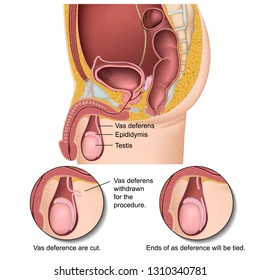
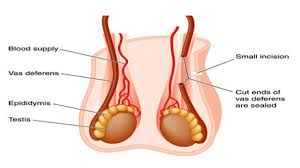
A vasectomy is a surgical procedure that is performed to permanently sterilize a man by cutting or blocking the tubes that carry sperm from the testicles to the penis (the vas deferens). The procedure is usually performed in a doctor’s office or clinic and takes about 30 minutes to complete. It is a relatively simple and safe procedure, with a low risk of complications.
The procedure is typically performed under local anesthesia, which numbs the area around the vas deferens. The surgeon will make a small incision in the scrotum and locate the vas deferens. The vas deferens are then cut or blocked to prevent sperm from being released during ejaculation. The incision is closed with sutures or staples and covered with a bandage.
After a vasectomy, the man will still produce sperm, but it will be absorbed by the body and will not be ejaculated. The man will still be able to have an erection and ejaculate, but the ejaculate will not contain sperm and will not be able to cause pregnancy.
It is important to note that a vasectomy does not provide immediate protection against pregnancy. It is necessary to use another form of birth control until a follow-up test confirms that the procedure was successful in blocking the vas deferens.
Vasectomies are generally considered to be a permanent form of sterilization, but in some cases, a vasectomy can be reversed. However, the success rate of vasectomy reversal is not guaranteed and the procedure can be complex and expensive. It is important to carefully consider the potential for future fertility before deciding to undergo a vasectomy.
What Is Vasectomy:
A vasectomy is a surgical procedure that is performed to permanently sterilize a man by cutting or blocking the tubes that carry sperm from the testicles to the penis (the vas deferens). The procedure is usually performed in a doctor’s office or clinic and takes about 30 minutes to complete. It is a relatively simple and safe procedure, with a low risk of complications.
Introduction:
The procedure is typically performed under local anesthesia, which numbs the area around the vas deferens. The surgeon will make a small incision in the scrotum and locate the vas deferens. The vas deferens are then cut or blocked to prevent sperm from being released during ejaculation. The incision is closed with sutures or staples and covered with a bandage.
After a vasectomy, the man will still produce sperm, but it will be absorbed by the body and will not be ejaculated. The man will still be able to have an erection and ejaculate, but the ejaculate will not contain sperm and will not be able to cause pregnancy.
It is important to note that a vasectomy does not provide immediate protection against pregnancy. It is necessary to use another form of birth control until a follow-up test confirms that the procedure was successful in blocking the vas deferens.
Vasectomies are generally considered to be a permanent form of sterilization, but in some cases, a vasectomy can be reversed. However, the success rate of vasectomy reversal is not guaranteed and the procedure can be complex and expensive. It is important to carefully consider the potential for future fertility before deciding to undergo a vasectomy.
How To Know About The Vasectomy:
There are several ways to learn about vasectomy:
- Talk to a healthcare provider: A healthcare provider, such as a primary care doctor, urologist, or family planning specialist, can provide information about vasectomy and answer any questions you may have.
- Read about it online: There are many reputable websites that provide information about vasectomy, including how it is performed, the benefits and risks, and what to expect before, during, and after the procedure.
- Talk to someone who has had a vasectomy: Consider speaking with someone you know who has had a vasectomy to learn about their experience and any advice they may have.
- Consider attending a vasectomy education class: Some clinics or healthcare providers offer classes or workshops on vasectomy, which can provide a more in-depth understanding of the procedure.
It is important to thoroughly research and understand the procedure before deciding to undergo a vasectomy. It is also important to discuss the procedure with a healthcare provider to determine if it is a suitable option for you.
Vasectomy Pros:
There are several potential benefits to having a vasectomy:
- Effective contraception: Vasectomy is a highly effective form of contraception, with a failure rate of less than 1%.
- Permanent: A vasectomy is a permanent form of sterilization, which means that it does not need to be repeated and does not require ongoing use of contraception.
- Simple procedure: Vasectomy is a relatively simple procedure that can be performed in a doctor’s office or clinic, usually under local anesthesia.
- Low risk of complications: Vasectomy has a low risk of complications and is generally considered to be a safe procedure.
- Quick recovery: Most men can return to their normal activities within a few days after having a vasectomy.
- Cost-effective: Vasectomy is generally less expensive than other permanent forms of contraception, such as tubal ligation for women.
It is important to carefully consider the potential benefits and risks of vasectomy before deciding to undergo the procedure. It is also important to discuss the procedure with a healthcare provider to determine if it is a suitable option for you.

Conclusion:
In conclusion, vasectomy is a surgical procedure that is performed to permanently sterilize a man by cutting or blocking the tubes that carry sperm from the testicles to the penis (the vas deferens). It is a relatively simple and safe procedure, with a low risk of complications. After a vasectomy, the man will still be able to have an erection and ejaculate, but the ejaculate will not contain sperm and will not be able to cause pregnancy. Vasectomy is a highly effective form of contraception and is a permanent form of sterilization. However, it is important to carefully consider the potential benefits and risks of the procedure before deciding to undergo it and to discuss it with a healthcare provider to determine if it is a suitable option for you.
If you want to get amazing benefits by using this link

