



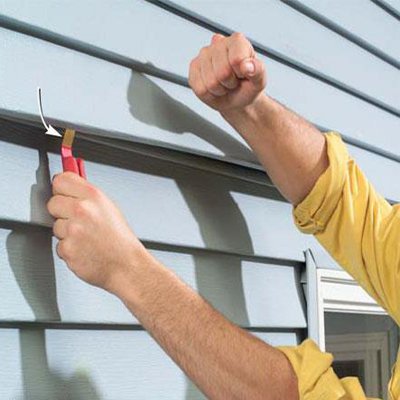
The exterior of your home does more than create a first impression. Your siding acts as a protective barrier against weather, pests, and the environment. Over time, it endures wear and tear that may not be obvious at first glance. Knowing when to replace siding is essential for preserving the structural integrity, energy efficiency, and curb appeal of your home. While many signs are subtle, this guide explores the top signs it’s time to replace your home’s siding and what homeowners in Louisville should watch for.
The Importance of Timely Siding Replacement
Preventing Bigger Issues
Delaying siding replacement can lead to more severe consequences, including water damage, mold growth, and compromised insulation. Many homeowners focus on cosmetic damage, overlooking structural risks. Catching these problems early can save thousands in repair costs later.
Enhancing Home Value
Curb appeal plays a major role in home value, especially if you’re considering selling in the near future. Worn, faded, or damaged siding detracts from your home’s appearance and signals potential buyers that maintenance has been neglected. Fresh siding not only makes your home look newer but can also command a higher resale price.
Boosting Energy Efficiency
Siding helps insulate your home and reduces drafts. If your siding is no longer performing as it should, you may see rising energy bills due to air leaks and reduced thermal resistance. Replacing old siding can contribute to a more consistent indoor climate year-round.
Top Signs It’s Time to Replace Your Home’s Siding
Cracks and Warping
One of the most visible top signs it’s time to replace your home’s siding is cracking or warping. These issues often begin subtly but worsen as the material ages or experiences harsh weather. Warped panels can indicate moisture buildup beneath the surface, leading to rot and structural damage.
Frequent Repainting
If you find yourself repainting your siding every few years, it’s a sign the material is no longer holding paint. Most quality siding retains paint for 8 to 10 years. When it begins to peel or fade prematurely, it likely means the siding is deteriorating and losing its weatherproofing.
Mold, Mildew, and Water Stains
Discoloration along the seams or lower panels may be due to water infiltration. Mold or mildew growth is not only unsightly but a warning that moisture is seeping past the siding. Once mold takes root, it can spread to the underlying wood and insulation.
Bubbling or Blistering
Bubbles or blisters forming beneath the siding’s surface are typically signs of trapped moisture. This is a red flag that the material is failing to keep water out—especially in humid areas like Louisville. If water gets underneath the siding layer, it compromises the entire protective system.
Higher Energy Bills
Poor siding can contribute to heat loss in winter and heat gain in summer. If you’ve ruled out issues with your HVAC system and insulation, your siding could be the culprit. This is another of the top signs it’s time to replace your home’s siding and regain energy efficiency.
Less Obvious Indicators of Siding Failure
Faded or Discolored Panels
Fading suggests prolonged UV exposure and aging. While this is often viewed as just cosmetic, it’s usually a sign the siding’s protective coating has broken down. Once this happens, the material becomes more vulnerable to water damage and cracking.
Dry Rot and Soft Spots
Wood or fiber cement siding can suffer from dry rot a fungal decay that eats away at the cellulose in the material. You may notice soft spots when you press against the siding or a hollow sound beneath the surface. These areas can collapse over time if not addressed.
Insect or Pest Damage
Small holes or scratches might be signs of termite or pest activity. If insects have managed to nest behind your siding, they can damage both the material and the structural frame. This is especially common with wood siding in older homes.
Loose or Missing Panels
Siding should sit tightly against your home without large gaps or movement. If panels are coming loose, it could be due to wind damage, improper installation, or age. Missing pieces expose your home to moisture and pest infiltration.
Interior Signs of Exterior Issues
Sometimes, the signs are inside the house. If you notice peeling paint or wallpaper, increased humidity, or moldy smells near exterior walls, these could point to failing siding. It’s easy to overlook these clues, but they may reveal hidden damage that requires immediate attention.
Choosing the Right Time for Replacement
Seasonal Considerations
In Louisville, spring and early fall are ideal for siding replacement. These seasons offer moderate temperatures that help adhesives set properly and reduce delays from extreme weather. Planning ahead can help you secure your preferred contractor and avoid last-minute scheduling conflicts.
Project Duration and Disruption
The time it takes to replace siding depends on your home’s size, the type of material, and the condition of the underlying structure. Most jobs take between one and two weeks. It’s a significant project, but one that pays off in both comfort and long-term savings.
Preparing for Siding Replacement
Material Options to Consider
Once you’ve recognized the top signs it’s time to replace your home’s siding, the next step is selecting the right material. Options like vinyl, fiber cement, engineered wood, and metal all offer different strengths. Consider local climate, maintenance preferences, and aesthetic goals.
Get a Professional Inspection
Even if you’re confident your siding needs replacing, it helps to get a professional opinion. An inspection can uncover hidden issues and confirm whether repairs or a full replacement are required. It also provides a clearer idea of budget and timeline expectations.
Budget and Financing
Siding replacement is a significant investment, so understanding your financing options is crucial. Many contractors offer payment plans or connect homeowners with home improvement loans. Weigh material costs against long-term energy savings and maintenance reduction.
FAQS
What are the most common top signs it’s time to replace your home’s siding?
Cracks, warping, fading, bubbling, and rising energy bills are key signs that siding has outlived its effectiveness. You may also notice mold or soft spots behind panels.
How long does siding typically last in Louisville’s climate?
Depending on the material, siding can last between 20 and 40 years. However, constant exposure to rain, humidity, and seasonal extremes can shorten its lifespan without regular upkeep.
Can I replace just the damaged sections of my siding?
In some cases, partial replacement is possible. However, this often leads to mismatched panels and may not address underlying structural issues. Full replacement is usually more effective long-term.
Is siding replacement a good return on investment?
Yes, siding replacement is one of the best exterior remodeling investments. It boosts curb appeal, reduces energy costs, and increases resale value, often recovering a large portion of the initial expense.
How do I know if moisture is getting behind my siding?
Look for mold, mildew, water stains, or bubbling on the siding surface. Inside the home, peeling paint or wallpaper, musty smells, and soft walls can also indicate moisture intrusion.
Conclusion
Ignoring damaged siding can lead to more than just aesthetic problems. Recognizing the top signs it’s time to replace your home’s siding can help protect your investment, improve comfort, and reduce long-term costs. Whether it’s visible cracks, rising energy bills, or hidden moisture damage, timely replacement is the best solution for maintaining your home’s health and appearance. Working with a trusted local contractor ensures your new siding will be installed correctly and designed to withstand Louisville’s unique weather challenges. If you’re ready to start the process, expert help is just a phone call away with A&S Construction of Louisville.
Author Bio:
Written by Jordan McClain, a home renovation writer specializing in siding and exterior home design. Jordan partners with A&S Construction of Louisville to provide expert insights that help homeowners make informed remodeling decisions. Visit their website to explore professional siding solutions tailored for Louisville’s weather.
Table of Contents

