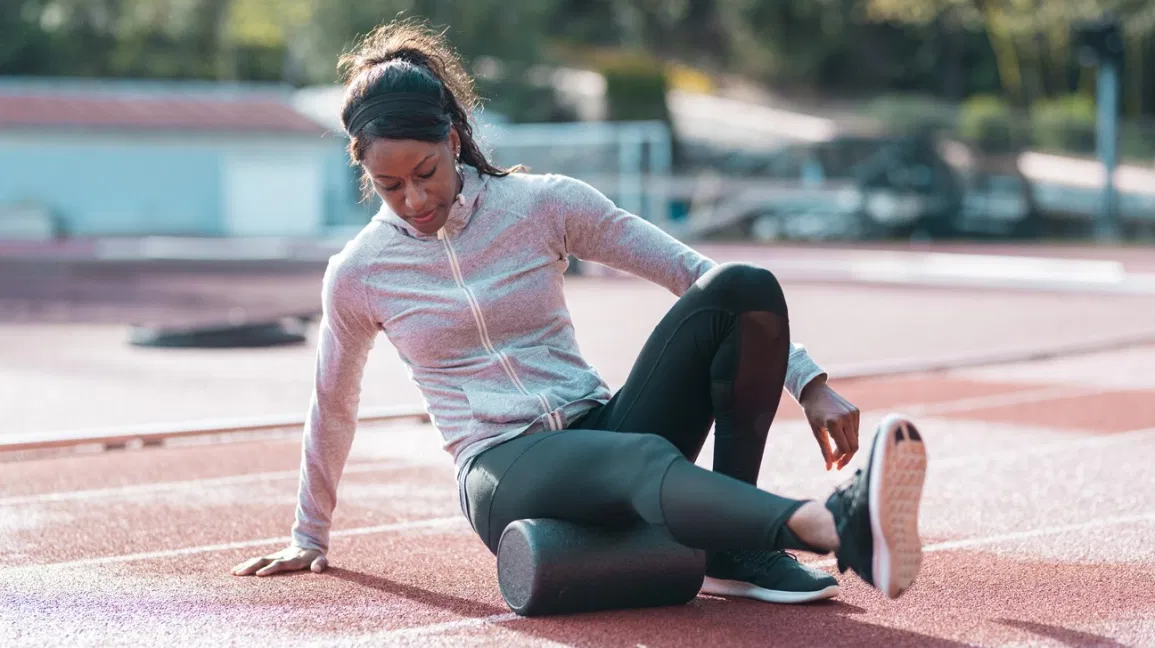
After high-speed, long, or strength training, the muscles, especially the muscles of the legs, get tired and need special care. Sometimes a day off after a hard training day cannot eliminate the feeling of lethargy and muscle weakness, especially in the legs.
Such sensations in the muscles are normal, but it is possible and necessary to reduce the period of discomfort that may affect the implementation of a further training plan. British physiotherapist James Beard shares 10 tips for speeding up muscle recovery after hard workouts.
1. Easy swimming. Constant and uniform pressure (hydrostatic pressure) from the mass of water surrounding you on the whole body, including the muscles. This pressure improves blood circulation and detoxification efficiency, aiding recovery from intense physical exertion. Plus, it relieves the joints well, which can be very useful after high-speed running.
2. Activation exercises. This is an important point that needs to be addressed by many. Usually, the same familiar muscle groups work (including the wrong ones) during exercises, preventing other muscle groups from turning on. One of the most striking examples is the glutes, one of the most important muscles in the human body. Often, work on them is ignored, which leads to injuries and, even worse, recovery of the muscles of all legs. Activation exercises ensure the proper functioning of the nerve pathways, increase muscle tone and reduce the risk of injury in future work.
3. Active recovery. Sometimes complete rest does not mean better and faster recovery. Active recovery means a low-intensity workout with a heart rate of no more than 130 beats per minute and stretching for 15-20 minutes. Active recovery ensures that your nervous system is awake, which speeds up circulation.
4. Massage. In addition to pleasurable sensations, professional massage significantly reduces muscle recovery time by increasing the rate of lymphatic drainage, reducing muscle pain, dispersing lactic acid, and reducing inflammation. There are different types of massage, and make sure you choose the right one based on your racing/training goals in a particular period.
5. Use mobile massagers and devices for working out muscles. There are many devices to speed up muscle recovery. Foam rollers, rubber balls, shock absorbers, massage feet, and sticks. All of them, to some extent, replace a full-fledged massage, especially on trips, on the road, or immediately after a workout.
6. Eat and drink properly. You may have the best trainer, technique, and training plan in the world, but you need more nutrition to help your muscles recover fast enough to progress. Of course, this all sounds super obvious, but trust me, there are so many amateur triathletes around who often screw up in nutrition while having a 20-hour training week. In addition to the importance of protein and dozens of micronutrients, it is important to reduce muscle inflammation as much as possible. Drink plenty of water and avoid fast food and processed foods.
7. Cryotherapy or cold therapy, whether it is an ice bath, a cold compress, or a whole body cryotherapy tank – the idea is to cool the muscles and body, that is, reduce inflammation, relieve pain, reduce muscle spasms, and when using ice baths will also present a hydrostatic effect on the muscles of the lower body.
8. Recovery transdermal sprays ( recovery sprays) are a new trend in sports medicine. These sprays contain magnesium and other important micronutrients and are sprayed directly onto the skin. Although yet to be explored to a great extent, this is one of the newer recovery tools that gets a lot of positive feedback when applied directly after a workout.
9. Baths with Epsom salts or magnesia (magnesium sulfate) – a proven remedy. Salt dissolved in water penetrates the skin’s pores, promotes muscle regeneration, increases blood circulation, and reduces inflammation. Additional effects of hydrostatic pressure also come into play.
Related Article: 8 good reasons to go without whey protein
10. BCAAs are branched-chain amino acids our body cannot naturally produce in the right amounts. Taking them in supplement form will help stimulate protein synthesis and prevent the breakdown of muscle fibers that is inevitable after exercise.
11. BioTech Iso Whey Zero Protein improves performance by improving exercise capacity and minimizing muscle weariness. Along with this, it contains antioxidant, immune-boosting, and anti-aging qualities.