



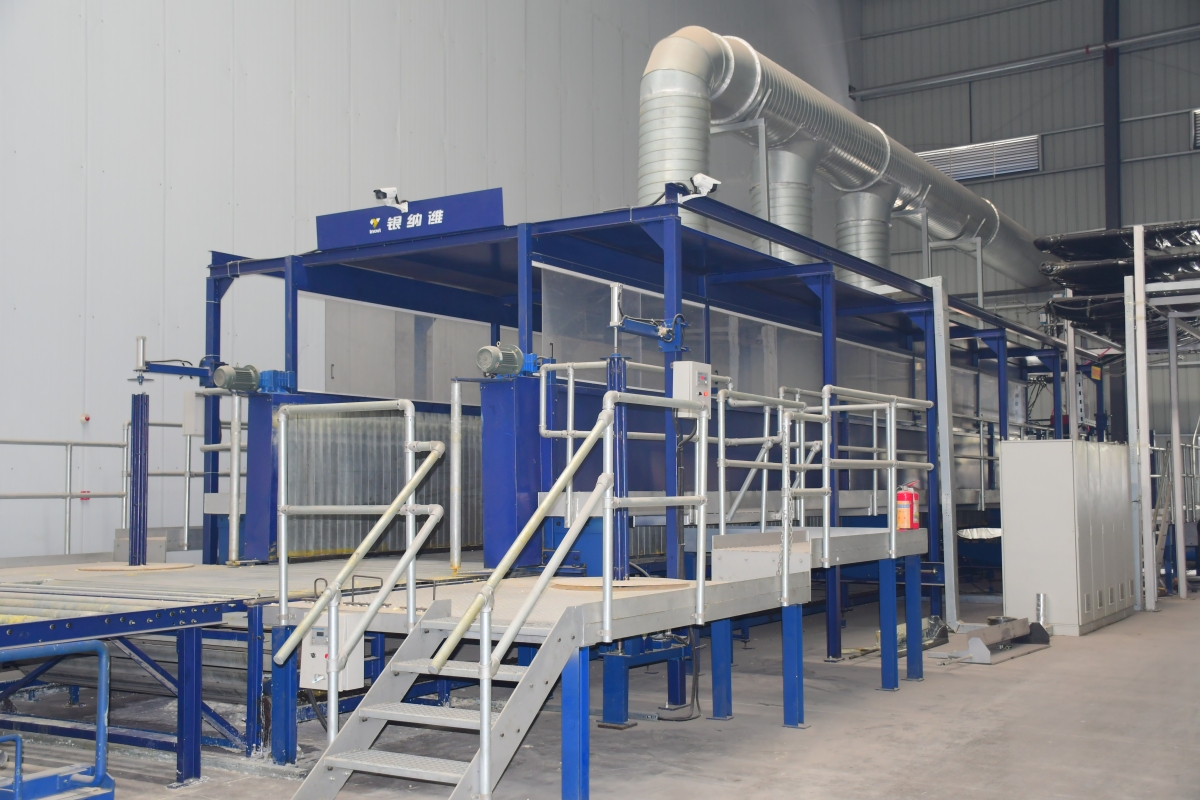
Polyurethane (PU) foam has become a cornerstone material across industries such as automotive, furniture, construction, refrigeration, and packaging. The quality of PU foam products is directly influenced by the machinery used in their production. Ensuring that PU foaming machines are designed, built, and tested according to stringent manufacturing standards is crucial for operational efficiency, safety, and product consistency. Businesses must pay close attention to these standards when selecting a supplier.
Leading PU Foaming Machine Manufacturers adhere to globally recognized manufacturing standards to maintain machine performance, safety, and durability. These standards encompass engineering design, materials selection, production processes, quality control, and environmental compliance. Understanding the manufacturing standards followed by reputable suppliers helps companies make informed decisions and ensures long-term operational reliability.
Compliance with International Safety Standards
Safety is a fundamental aspect of PU foaming machine design. Reputable manufacturers follow international safety standards such as ISO 12100 for machinery safety, CE marking requirements for European markets, and OSHA guidelines for industrial equipment in the United States. These standards ensure that machines are designed to minimize risks related to electrical hazards, mechanical failures, chemical exposure, and operator injury.
Safety features often include emergency stop buttons, automatic shutdown in case of pressure or temperature deviations, protective enclosures, and user-friendly control panels. Compliance with safety standards not only protects operators but also reduces the risk of legal liabilities and operational disruptions.
Quality Assurance and Certification Standards
High-quality PU foaming machines are built under rigorous quality assurance processes. Manufacturers implement standards such as ISO 9001, which specifies requirements for a quality management system, ensuring that every stage of production meets strict quality benchmarks. This includes inspection of raw materials, precision in component manufacturing, assembly accuracy, and final performance testing.
Additionally, certifications from recognized bodies demonstrate a manufacturer’s commitment to quality. Regular audits and process reviews help maintain consistency and minimize defects. For businesses, working with certified manufacturers ensures reliable equipment with predictable performance and reduced maintenance needs.
Material Selection and Durability Standards
The durability of PU foaming machines heavily depends on the materials used in their construction. Manufacturers typically use high-grade stainless steel, corrosion-resistant alloys, and precision-engineered components to meet longevity standards. This ensures the equipment can withstand high pressures, continuous operation, and exposure to reactive chemicals without performance degradation.
Adherence to material standards also minimizes maintenance costs and downtime. Components such as metering pumps, mixing heads, hydraulic systems, and electrical wiring are carefully chosen and tested to maintain consistent operation under demanding industrial conditions.
Precision and Performance Standards
PU foaming machines must achieve precise chemical mixing, accurate dispensing, and controlled foaming reactions to produce consistent foam products. Manufacturers follow engineering and calibration standards that define acceptable tolerances for temperature, pressure, flow rates, and chemical ratios. Precision engineering ensures uniform density, structural integrity, and desired physical properties of the final foam product.
Automated control systems, programmable logic controllers (PLC), and real-time monitoring features are integrated in line with these standards. Such precision not only enhances product quality but also reduces raw material waste and energy consumption.
Environmental and Energy Compliance
Environmental regulations play a significant role in modern industrial machinery. Reputable PU foaming machine manufacturers design equipment to comply with emission standards, waste management regulations, and energy efficiency requirements. Machines are often equipped with energy-saving motors, optimized heating systems, and insulation technologies to reduce power consumption.
Environmental compliance includes proper handling of chemical components, controlled venting of volatile compounds, and reduced production waste. Adhering to these standards supports sustainable operations and ensures compliance with government regulations, helping companies avoid fines and reputational risks.
Testing and Inspection Protocols
Before delivery, PU foaming machines undergo rigorous testing and inspection protocols. These procedures often include hydraulic and pneumatic testing, electrical safety checks, functional trials, and calibration of control systems. Machines are typically run through simulated production cycles to verify performance under real operating conditions.
Detailed documentation of test results and inspection reports allows buyers to validate machine capabilities and ensures accountability. Manufacturers following standardized testing protocols provide higher confidence in machine reliability and operational efficiency.
After-Sales Support and Documentation Standards
An often-overlooked aspect of manufacturing standards is the provision of comprehensive documentation and after-sales support. Leading manufacturers provide detailed operation manuals, maintenance guides, and safety instructions. They also offer training programs, technical support, and service contracts to ensure smooth installation and long-term operation.
Such standardized documentation and support systems enhance operator proficiency, reduce downtime, and extend machine life. This reflects the manufacturer’s commitment to high standards beyond the initial sale.
Conclusion
Manufacturing standards followed by PU foaming machine manufacturers play a pivotal role in ensuring safety, quality, performance, and sustainability. Compliance with international safety regulations, quality management systems, material and precision standards, and environmental guidelines guarantees reliable and durable machinery.
By selecting manufacturers who adhere to these standards, businesses can minimize operational risks, maintain consistent foam quality, and achieve efficient production. Investing in equipment built to high manufacturing standards is not only a matter of performance but also a strategic step toward long-term success in the competitive polyurethane foam industry.
Table of Contents

