



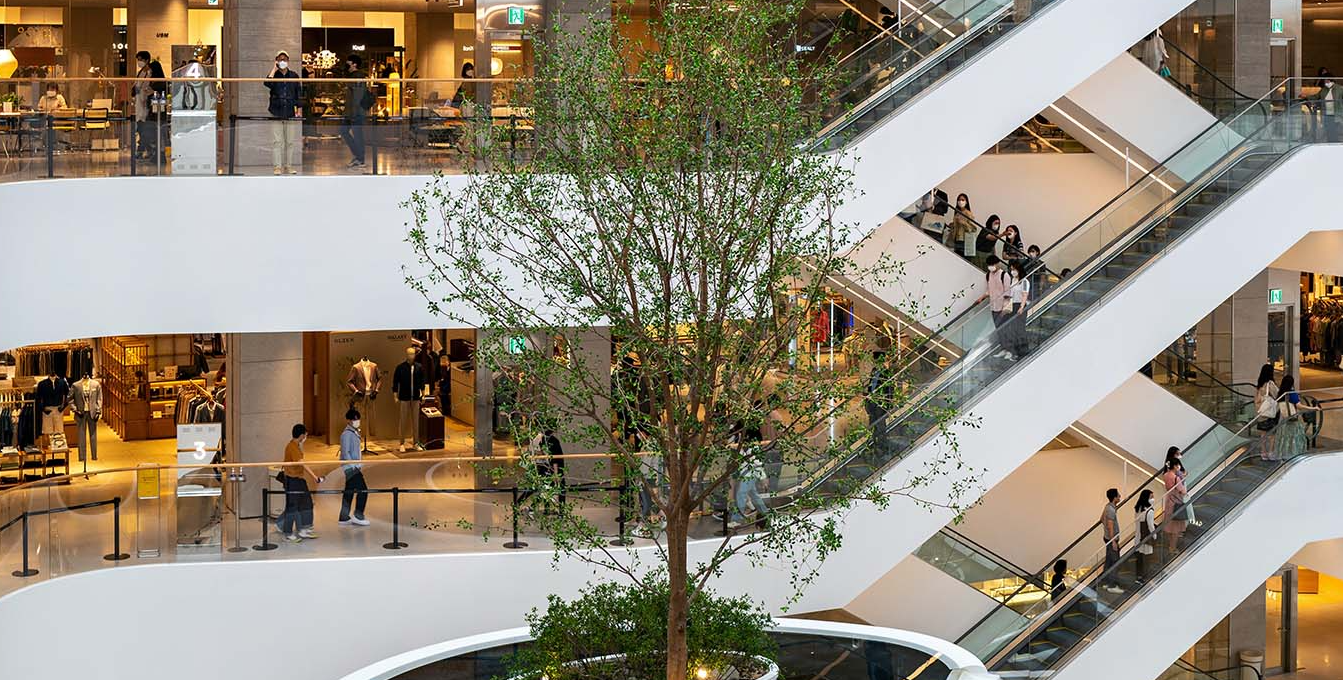
The 1950s saw the rise of the American retail mall as we know it as the suburban lifestyle and interstate highway construction gained roots. For the first time, consumers could travel further from their homes to buy a large range of goods. Shopping Malls were regarded as secure and profitable real estate investments for many years and represented a continually expanding asset class.
Many people in the commercial real estate sector have stopped supporting the long-held investment thesis for shopping malls in recent years. Shopping malls are no longer the primary location for retail activity in the United States because of competition from alternative large-format retail centers, such as grocery-anchored retail centers and internet shopping.
The Modern Landscape of Shopping Malls
Most commercial real estate analysts and leasing professionals generally concur that there are now primarily two types of retail malls. Top-tier assets in robust, prosperous markets make up the first group. The second category comprises mall properties situated in smaller, less populated secondary or tertiary markets outside of major metropolitan areas. The performance of the assets in Class A markets is still strong, and the forecast for growth is encouraging. However, malls in lower-tier markets have had trouble keeping their key tenants, and pressure will probably increase in the coming years.
There Are Many Challenges For Shopping Malls Owners.
It is no secret that a lot of malls have shut down recently, particularly when the Covid-19 outbreak started. Numerous of these shopping centers were found in secondary or tertiary marketplaces, frequently outside of major cities. For a variety of reasons, some retail centers have had difficulty sustaining the traffic levels required to satisfy their current tenants or draw in new, high-quality ones. Many of the remaining malls in these markets are running at historically high vacancy rates, much to the dismay of investors.
The Growth Of Retail Centers Anchored By Grocery
Although the pandemic caused hardship for many real estate classes, I believe it also raised attention to the significance of grocery-anchored shopping malls. Consumers frequented stores selling necessities and groceries frequently throughout the epidemic, which benefited nearby property owners and tenants. Travels to retail grocery stores are frequently unexpected, more frequent, and support a variety of purchases, notably critical commodities, in contrast to trips to shopping malls, which are frequently scheduled in advance, less frequent, and focused on the purchase of a specific good.
Grocery anchors tend to create recurrent traffic, which benefits all of the center’s tenants, giving owners of retail centers with them an advantage. Many tenants seek to lease space in these plazas to take advantage of the foot traffic produced by the anchor since secondary merchants are aware of the advantages of being next to a grocery or necessity-based anchor. Additionally, grocery stores and stores that sell necessities are sometimes the first to reopen after natural catastrophes or pandemics and are frequently seen as safe havens.
What Shopping Malls Can Expect
Many in the commercial real estate sector think that top-tier retail malls will keep being leased up and that leasing teams will be able to gradually raise rent. These shopping centers are prized throughout the commercial real estate sector as precious and uncommon assets.
However, I continue to observe tenants leaving malls in secondary and tertiary areas. Potential inline tenants cannot ignore the constant traffic that grocery-anchored commercial real estate generates. For instance, soft goods shops once sought out space in conventional shopping malls, but more lately, they have focused on outdoor shopping malls close to grocers and other retailers who provide necessities. Moving away from lower-tier malls and toward reliable grocery anchors with established credit histories and devoted customer, bases makes sense.
Given the benefits of commercial real estate with a grocery store as an anchor, leasing teams have been effective in gradually raising rents to keep up with inflation. Because of this, assets with grocery stores as anchors can offer investors a progressively increasing cash flow over time. These developments, which I anticipate will last for some time, are the main factors that have made grocery store-anchored retail malls so alluring to investors.
Table of Contents

