



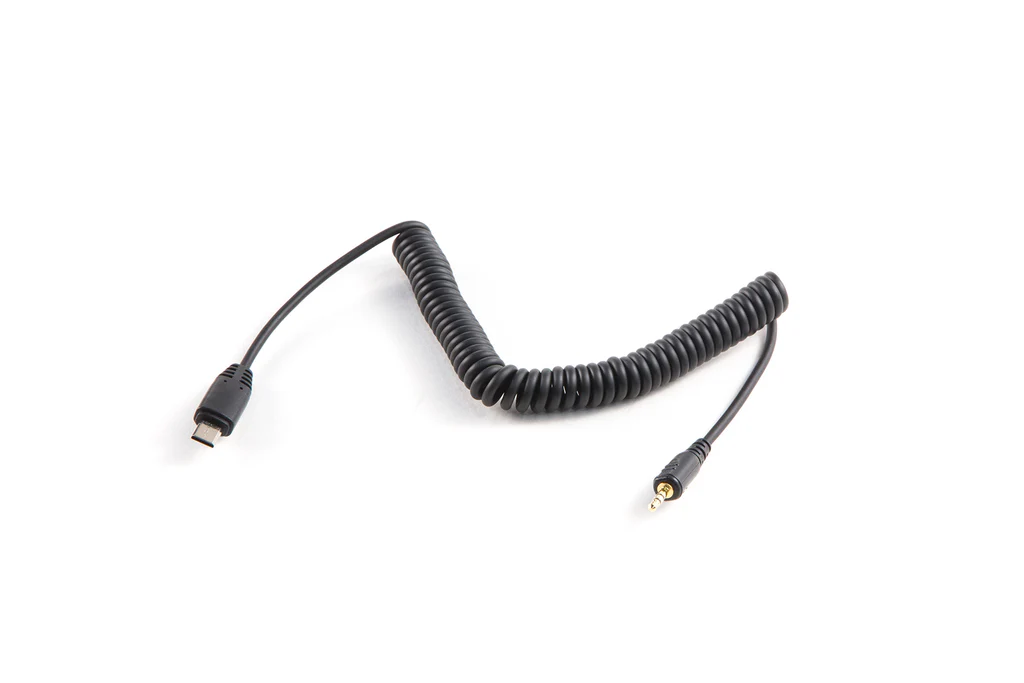
Reliable video transmission is a core requirement in any surveillance system, especially when cameras are installed far from recording equipment. Whether used in large commercial facilities, outdoor security networks, or industrial environments, maintaining signal quality over long distances can be challenging. This is where properly designed coaxial connections play an essential role.
In many surveillance setups, cctv bnc cables are widely used because they provide stable signal transfer across extended distances while minimizing interference and signal degradation. Their structure and shielding make them suitable for applications where consistent video quality is critical.
Understanding Long-Distance Video Transmission in CCTV Systems
Long-distance video transmission refers to sending camera signals from surveillance points to a central recording device located far away. This distance can range from tens to hundreds of meters depending on system design.
As cable length increases, video signals naturally weaken due to resistance and external interference. Without proper cabling, this can lead to:
- Blurry or distorted images
- Signal dropouts
- Increased noise or static
- Reduced video resolution
To address these challenges, coaxial-based systems remain a dependable solution for analog and HD-over-coax CCTV networks.
How BNC Cables Support Long-Distance Transmission
BNC cables are designed with a central conductor and layered shielding that helps preserve signal strength over distance. The shielding reduces electromagnetic interference, which is one of the primary causes of video degradation.
Key features that support long-distance performance include:
- High-quality copper conductors for efficient signal flow
- Multi-layer shielding to block external noise
- Secure BNC connectors for stable connections
- Low signal loss over moderate distances
These characteristics make them suitable for surveillance systems where cameras are installed far from DVR units or monitoring stations.
Role of Coaxial Design in Signal Stability
The coaxial structure of BNC cables plays a critical role in maintaining video integrity. Unlike unshielded wiring, coaxial cables keep the signal protected within an insulated pathway.
This design helps:
- Maintain consistent impedance
- Reduce external signal interference
- Preserve image clarity over longer runs
- Support both analog and HD video formats
Because of these advantages, coaxial cables remain widely used in surveillance systems even with the rise of IP-based technology.
Applications Requiring Long-Distance CCTV Wiring
Many real-world surveillance environments require extended cable runs between cameras and recording systems.
Large Commercial Complexes
Shopping malls, office buildings, and business parks often require surveillance coverage across wide areas. Cameras may be installed on different floors or buildings, requiring long cable routes.
Industrial Facilities
Factories and warehouses use surveillance systems to monitor production lines, storage areas, and security zones. These environments often involve heavy machinery and long distances between devices.
Outdoor Surveillance Networks
Parking lots, highways, and public spaces require cameras positioned far apart. Long-distance cabling ensures continuous monitoring across large outdoor areas.
Transportation Infrastructure
Airports, train stations, and bus terminals rely on extensive surveillance systems that cover wide geographic areas with centralized control rooms.
Challenges in Long-Distance CCTV Installations
While BNC cables are effective for extended transmission, several challenges must be addressed during installation.
Signal Loss Over Distance
Even high-quality cables experience some level of signal attenuation as distance increases. This can affect video clarity if not managed properly.
Electrical Interference
Long cable runs increase exposure to electromagnetic interference from power lines, machinery, and electronic systems.
Environmental Exposure
Outdoor installations face weather conditions that can gradually impact cable performance if not properly protected.
Solutions for Maintaining Video Quality Over Long Distances
To ensure stable performance in long-distance CCTV setups, several best practices are commonly used.
Use High-Quality Shielded Cables
Better shielding reduces interference and helps maintain stronger signal integrity over long runs.
Minimize Unnecessary Cable Length
Keeping cable routes as direct as possible reduces signal loss and improves efficiency.
Avoid Parallel Runs With Power Lines
Separating video cables from electrical wiring significantly reduces interference risks.
Use Signal Boosters When Needed
In extremely long installations, video amplifiers or repeaters can help restore signal strength.
Importance of Proper Connector Installation
Connectors play a critical role in maintaining stable video transmission. Poorly installed BNC connectors can lead to signal loss, especially in long-distance systems.
Proper installation ensures:
- Secure physical connection
- Reduced signal interruption
- Stable impedance across the system
- Improved long-term reliability
Even small installation errors can have a noticeable impact on video quality in extended cable networks.
Why BNC Cables Remain Effective for Long Distances
Despite the growth of network-based surveillance systems, coaxial-based BNC cables continue to be widely used for long-distance applications due to their simplicity and reliability.
Their key advantages include:
- Consistent analog and HD signal support
- Lower installation complexity compared to IP systems
- Strong performance in interference-heavy environments
- Cost-effective deployment for large areas
These benefits make them a practical choice for many security projects.
Conclusion
Long-distance video transmission is one of the most important challenges in surveillance system design. Proper cabling plays a key role in ensuring that video signals remain clear, stable, and reliable over extended distances.
CCTV BNC cables continue to provide a dependable solution for this purpose. Their shielding, structure, and compatibility with multiple surveillance technologies make them suitable for large-scale installations in commercial, industrial, and outdoor environments.
With correct installation practices and quality materials, they help maintain consistent video performance even in demanding long-distance security applications.
Table of Contents

