



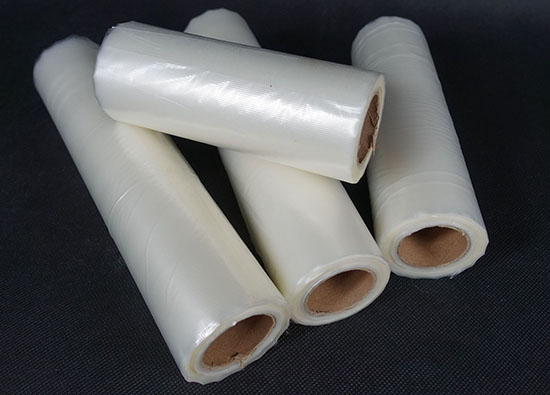
The demand for sustainable packaging and environmentally friendly materials has grown significantly in recent years. Industries are increasingly exploring alternatives to traditional plastics, including biodegradable and water-soluble films. Among these options, polyvinyl alcohol (PVA) film has emerged as a widely used material due to its unique combination of solubility, strength, and environmental benefits. Comparing PVA film with other biodegradable and soluble films helps businesses make informed decisions when selecting the best material for their specific applications.
PVA Film stands out for its versatility, water solubility, and biodegradability. Suppliers provide products with customizable thickness, solubility rates, and mechanical properties suitable for a range of industrial, agricultural, and consumer applications. For example, PVA Film offers solutions used in single-dose detergent pods, food ingredient sachets, pharmaceuticals, and controlled-release agricultural products. While other biodegradable or soluble films are also available, PVA film has several distinct advantages that make it a preferred choice in many industries.
Solubility and Dissolution Characteristics
One of the primary differences between PVA film and other biodegradable films, such as polylactic acid (PLA) or starch-based films, is its solubility. PVA films are water-soluble and can dissolve completely when in contact with water at specific temperatures. This makes them ideal for applications like detergent pods, pre-measured fertilizers, and pharmaceutical capsules, where rapid dissolution is essential.
Other biodegradable films, including PLA and starch-based films, are typically designed to degrade over time rather than dissolve instantly. PLA films are compostable and break down under industrial composting conditions, but they do not dissolve in water. Similarly, starch-based films are biodegradable and can decompose in soil or compost but have limited water solubility. While these alternatives are eco-friendly, they may not provide the immediate convenience and precise dosing applications offered by PVA film.
Mechanical Strength and Handling
Mechanical strength is another factor where PVA film demonstrates advantages. It offers superior tensile strength, flexibility, and durability compared to many other biodegradable films. This allows PVA film to withstand handling, packaging, and transport without tearing or deforming, which is particularly important for industrial applications and single-dose packaging.
PLA films, while strong, can be brittle and less flexible, making them more prone to cracking under stress. Starch-based films generally have lower mechanical strength, which can limit their use in applications requiring heavy-duty packaging or long-distance transportation. PVA film’s balance of solubility and strength makes it highly adaptable to a wide range of industrial and consumer needs.
Environmental Impact
Both PVA and other biodegradable films offer environmental benefits over traditional plastics, but the type of biodegradability differs. PVA film dissolves in water and biodegrades completely under aerobic or anaerobic conditions, leaving minimal environmental residue. Its water solubility also reduces the need for extensive recycling or waste management processes.
PLA and starch-based films require specific composting conditions for complete degradation, which may not be available in all regions. In soil or natural water bodies, these films may take longer to break down, potentially limiting their practical environmental benefits in certain applications. PVA film’s ability to dissolve and degrade efficiently in water gives it an edge for applications involving liquid or aqueous environments, such as cleaning products or agriculture.
Customization and Application Flexibility
Another advantage of PVA film is its adaptability. Manufacturers can customize solubility rate, thickness, transparency, and mechanical strength according to specific application requirements. This makes PVA film suitable for industries ranging from pharmaceuticals and household detergents to agriculture and environmental applications.
Other biodegradable films are more limited in customization options. PLA films are typically used for packaging rigid containers, wraps, or bags, while starch-based films are mostly applied to lightweight packaging. PVA film’s versatility in both form and function allows it to serve multiple sectors more effectively than many alternative biodegradable or soluble films.
Cost and Market Considerations
Cost is an important consideration when comparing PVA film with other biodegradable films. PVA film can be slightly more expensive than starch-based or PLA films due to its specialized production and precise control over solubility and mechanical properties. However, the enhanced performance, flexibility, and environmental benefits often justify the investment, especially in applications requiring precise dosing, consumer convenience, or controlled release.
Conclusion
While other biodegradable and soluble films such as PLA and starch-based alternatives offer eco-friendly solutions, PVA film provides unique advantages that make it suitable for a wider range of industrial and consumer applications. Its water solubility, mechanical strength, adaptability, and environmental performance distinguish it from other materials. By understanding these differences, businesses can select the most appropriate film to meet functional requirements, sustainability goals, and consumer expectations. PVA film continues to be a reliable choice for industries seeking efficient, eco-friendly, and versatile packaging solutions.
Table of Contents

