



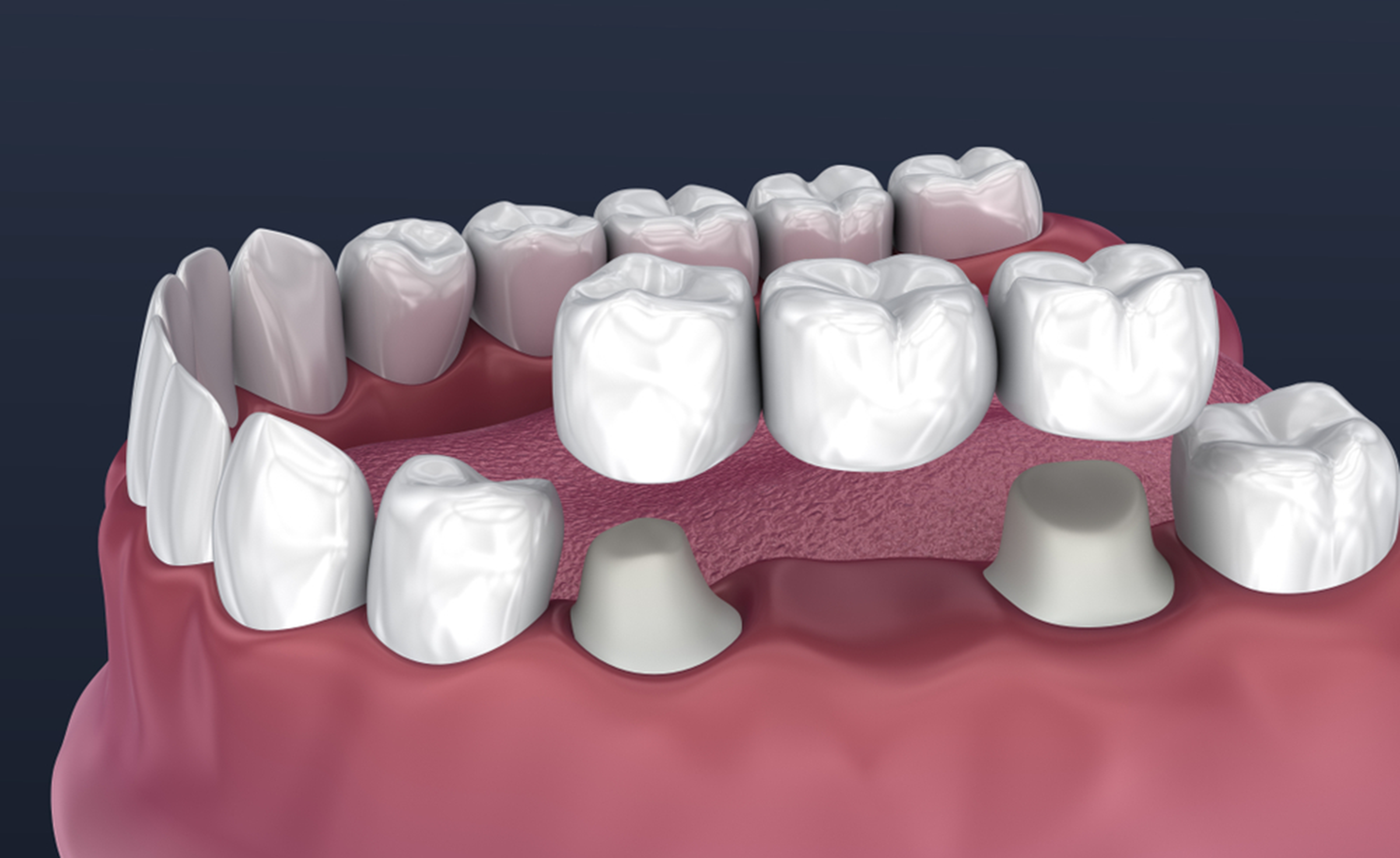
Everyone wants a healthy, beautiful smile and dental crowns are an excellent way to achieve this. Dental crowns are an increasingly popular choice for restoring teeth that have been damaged or weakened due to decay, injury, or wear and tear. Dental crowns are a permanent solution for improving the appearance and strength of teeth, and are widely used to treat a variety of dental conditions.
In this article, we’ll discuss everything you need to know about dental crowns, including the benefits, the cost, and the risks associated with the procedure. We’ll also look at the different types of dental crowns available and when they are most commonly used. After reading this article, you will be well informed and able to make the best decision for your dental health.
What is a dental crown?
A dental crown is a tooth-shaped cap that is fitted over a tooth to restore its shape, size, and strength. Crowns can also be used to change the colour of teeth and cover discolourations.
Dental crowns can be made from a number of materials, depending on the individual patient’s needs. The most common material used is porcelain, which is very strong and provides excellent aesthetics. The crown is fitted over the tooth and fused to the tooth with a special dental cement, which is strong enough to hold it in place while also allowing the tooth to continue to grow.
Benefits of dental crowns
– Improved aesthetics: Crowns will change the colour, shape and size of your teeth to create a more beautiful smile. Crowns can also be used to cover discolourations in the teeth, such as fillings. – Improved function: Crowns are a popular treatment option for teeth that are decayed, broken, or have been weakened due to gum disease or injury.
For patients who have had root canal therapy performed on a tooth, crowns are often used to cover the tooth in order to protect it from further damage. – Better oral health: By restoring and strengthening teeth with crowns, patients can prevent further decay, tooth loss and the need for dental implants in the future.
Improved self-confidence: By addressing aesthetic or functional issues with your teeth, you’ll feel more confident in your smile and in your life in general. – Preventative care: Crowns can also be used as part of a preventative care plan, such as to improve the longevity of a tooth that has been weakened by poor oral hygiene or advanced age.
Cost of dental crowns
The cost of dental crowns will vary depending on the type of treatment you need. Porcelain crowns tend to be the most expensive but will last the longest and provide excellent aesthetics. Gold crowns are cheaper but not as long lasting and will require more frequent and expensive replacements.
The cost of dental crowns can vary from $400 to $2,000, depending on the extent of treatment required. When considering the cost of dental crowns, it is important to remember that this is a one-time expense that will last for many years.
Dental crowns are a very common procedure that is often covered by dental insurance plans. It is important to verify that you have coverage for dental crowns before scheduling your appointment.
Risks associated with dental crowns
– Sensitivity: All crowns will increase the likelihood of experiencing sensitivity in your teeth. This is particularly common with gold crowns, which will cause more sensitivity than other types of crowns. – Pain: Crowns are often uncomfortable or painful at first, as the cement will set and shrink the gums.
This is normal and will subside over time. – Infection: Crowns do carry a small risk of infection associated with the procedure, especially if you don’t practise proper oral hygiene. – Excessive wear: Crowns will wear down over time, but this can be accelerated if you don’t follow your dentist’s instructions for maintaining the crown.
Types of dental crowns
Crowns can be made from a number of different materials, including porcelain, gold, or a combination of both. The type of crown you receive will depend on the severity of your dental condition and the cosmetic outcome you are aiming for. Some of the most common types of crowns include: – Gold crowns: Gold crowns are often used to repair teeth with large fillings and to restore teeth that have been weakened by excessive gum disease.
Although gold crowns are not as aesthetically pleasing as porcelain crowns, they are very affordable and tend to last longer. – Porcelain crowns: Porcelain crowns are very popular due to their aesthetic appeal and durability. They are the most expensive of the three types and will require a custom mould to be made by your dentist, which can be time consuming.
– Composite (tooth-coloured) crowns: These crowns are made from a mixture of acrylic resins and powdered minerals that are designed to look like natural teeth. They are less expensive than porcelain crowns and can be completed in a single visit. However, they are not as durable as other types of crowns and will require frequent replacement.
When are dental crowns used?
Dental crowns can be used to treat any number of dental conditions, including: – Tooth decay: Crowns can be used to repair decayed teeth and protect them from further decay. – Tooth fracture: Crowns are often used to treat teeth that have been fractured or broken. –
Excessive wear: Crowns can be used to extend the longevity of a tooth that has been weakened by advanced age or poor oral hygiene. – Tooth sensitivity: Crowns can be used to treat teeth that are sensitive due to excessive gum tissue. – Tooth loss: Crowns can be used to replace missing teeth and prevent further tooth loss. – Dental implants: Crowns can be used to protect the area surrounding dental implants from excessive wear.
Preparing for the dental crown procedure
Before receiving dental crowns, patients will be required to follow certain steps to prepare for the procedure. Depending on the state of your oral health, certain pre-procedure steps may be required. Patients with acute dental issues may need to have their teeth extracted as a first step towards receiving dental crowns.
While receiving dental crowns, patients will need to adhere to strict oral hygiene routines to prevent infection and excessive wear to the crowns. Some of the steps you should follow before receiving dental crowns include: – Visiting the dentist: Before receiving dental crowns, it’s important to visit your dentist and get a full oral examination.
Your dentist will be able to assess the health of your teeth and determine the best course of treatment. – Taking an x-ray: In addition to a full dental examination, your dentist will likely take an x-ray of your teeth. This helps dentists evaluate the health of your teeth, including whether you have enough bone density to support dental implants.
Taking blood tests: If you have received extensive dental treatment, such as tooth extractions, your dentist may recommend that you take blood tests to screen for certain diseases. – Having a blood pressure check.
Your dentist may also require you to have a blood pressure check to screen for vascular diseases. – Following a strict oral hygiene routine: After receiving dental crowns, it is important to follow a strict oral hygiene routine. This includes brushing your teeth twice a day with fluoride toothpaste, flossing daily, and using mouthwash.
Aftercare for dental crowns
After receiving dental crowns, patients will need to follow a strict oral hygiene routine to protect the crowns and ensure they last a long time. This includes brushing your teeth twice a day with fluoride toothpaste, flossing daily, and using mouthwash.
Patients should also try to avoid eating foods that are known to stain teeth, such as coffee, tea, red wine, and berries. Patients who receive dental crowns will also need to visit their dentist for follow-up appointments every six months to ensure the crowns are in good condition and that the gums are healthy.
During these visits, dentists may also perform oral hygiene assessments and take additional blood tests if necessary. Patients should also keep in mind that dental crowns are a long-term solution, meaning they will need to visit the dentist regularly for maintenance.
Table of Contents

