



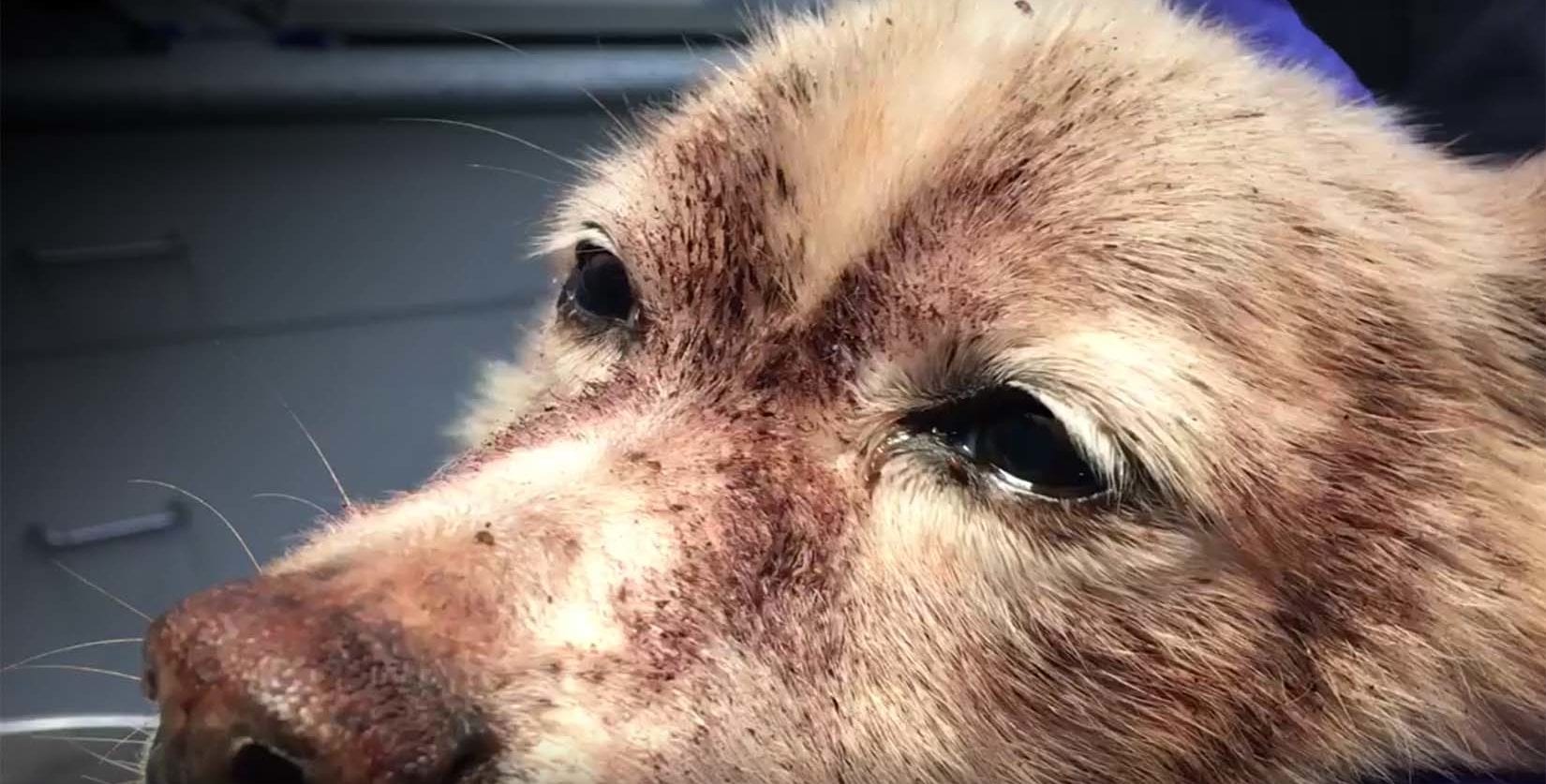
Fleas and ticks are one of the most common and most hassle pests you have to deal with when you have a dog. Known to be one of the pet parent’s worst enemies, these pests latch themselves to your dog’s coat, feed off their blood, make them feel uncomfortable, and if left unattended, it may cause serious health damage to your pets. There are a number of ways and signs to see if your dog is suffering from tick infestations, and it is very crucial at this point that you, as a pet owner, identify whenever your dogs may be feeling uncomfortable in order to get immediate professional help. Here are the signs and symptoms of tick infestations.
- Constant itching
Ticks and fleas bite off their host’s skin, and when they do, the protein in their saliva causes an allergic reaction that makes your dog itch. This is also the first sign you need to pay deeper attention to. In order to help your dog to stop itching, there are different products already available on the market, such as over-the-counter shampoos, oils, prescription medicines, soap, collars, and more. However, if these products do not seem to aid your dog at all, it would be best to consult a professional instead.
- Hair Loss
If your dog is losing hair, especially around the neck and tail, it may also be a sign of tick and flea infestation. These are common places for fleas and ticks to hide as the coats around these areas are thicker, making them more comfortable and protected. As your dog scratches, bite and licks its skin and fur, it is a normal and common reaction that hair will eventually fall out, causing hair loss from different parts of the body.
- Small black specks on the dog’s coat
Ticks and fleas are small but hazardous pests. Most of the time, they hide in different parts of the dog’s body, making it hard for the pet owner’s to see. They can also be very small, which some owners may not notice at all. So, you may ask, ‘how do I know it’s a flea?’ and that’s easy. You can do it in many easy ways, such as combing your dog, bathing them, petting them, and even when you’re only looking at them. Sure, ticks are a small type of pest, but they are not that mischievous. When you do notice a black speck or a bump on your dog’s coat, it may be the tick itself or their dirt.
- Rashes and other skin infections
Dogs are highly allergic to ticks and fleas. The saliva that these pests release when they bite onto the dog’s skin can cause allergic reactions, also resulting in different skin diseases. It can affect the dog’s coat, skin, and almost every organ in its body. Skin infections include mange, Ehrlichiosis, Babesiosis, Hepatozoonosis, Anaplasmosis, and many more. In order to effectively deal with these pests, it will be best to visit your local vet, browse for different and effective medications, and maintain good and proper care for your animals.
- Dog becomes sick
Ticks and fleas can carry diseases such as Lyme disease, and Rocky Mountain spotted fever. They may develop a fever, become lethargic, anemia, transmit tapeworms, lose their appetite, and could be extremely contagious to other animals as well. However, when a dog gets sick because of these pests, it is most likely that they have been infected with ticks and fleas for a long time, and that is definitely something you need to be concerned about. As not doing any action about it will only cause more health damage to the dog and can be more of a hassle to you as a pet owner.

