



Introduction: Why a Leaking Toilet Bowl Is a Big Problem
A leaking toilet bowl may seem like a small plumbing issue at first glance, but it can lead to significant water wastage, unpleasant odors, and structural damage if ignored. Many homeowners overlook minor leaks, but the signs of a leak can indicate more severe problems with internal components or plumbing connections. Understanding the causes and learning how to resolve the issue can save money, prevent mold growth, and ensure proper sanitation.
Common Signs Your Toilet Bowl Is Leaking
Before you can fix the problem, it’s essential to identify whether your toilet is actually leaking. Here are some telltale signs:
1. Water Pooling Around the Base
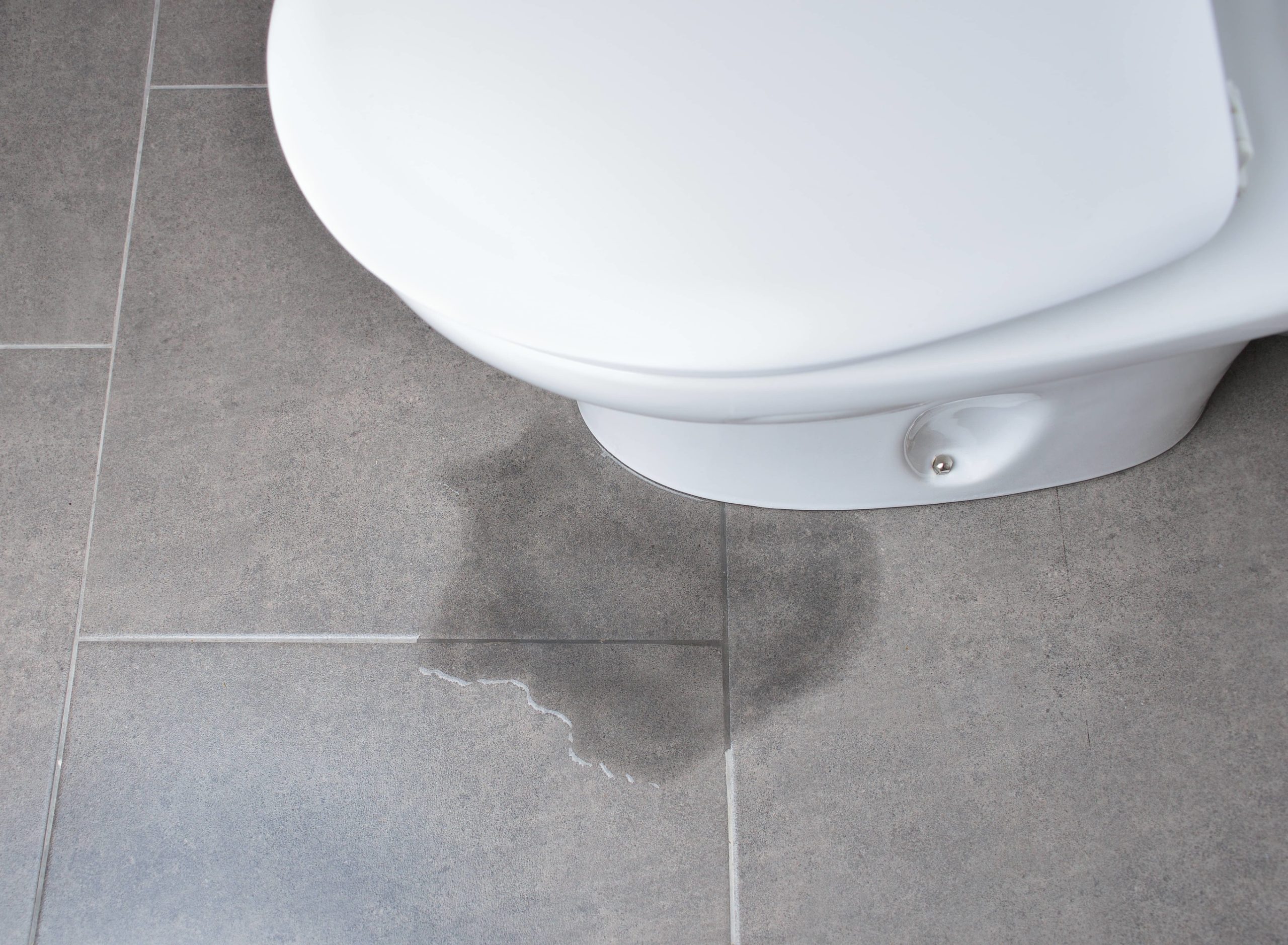
If you constantly see water near the base of the toilet, it’s not just from splashing. It could mean the wax ring seal has failed or there’s a crack in the bowl.
2. Unusual Sounds or Running Water
Hearing water even when the toilet isn’t in use may point to a leak within the tank or bowl, often due to faulty internal mechanisms.
3. High Water Bills
A sudden spike in your utility bill could be traced to a leaking toilet bowl, especially if other water appliances seem normal.
4. Musty or Moldy Odors
Persistent dampness can lead to mildew smells in the bathroom, usually caused by hidden leaks soaking into the floor or wall.
Causes of a Leaking Toilet Bowl
Understanding why a leak occurs is key to choosing the right solution. Here are some of the most common causes:
1. Damaged Wax Ring Seal
This seal sits between the toilet base and the drain pipe. If it cracks or shifts, water can escape with every flush.
2. Cracked Porcelain Bowl
Hairline fractures or cracks in the bowl can cause slow leaks that are hard to detect at first.
3. Loose Tank-to-Bowl Bolts
If the bolts connecting the tank to the bowl become loose or corroded, water can seep through the joints.
4. Faulty Flapper or Fill Valve
A worn-out flapper valve or fill valve can cause constant water flow from the tank into the bowl, which may eventually overflow or leak.
Step-by-Step Guide to Fixing a Leaking Toilet Bowl
Before you start, make sure you turn off the water supply to the toilet and flush it to empty the tank. Here’s how to address the most common issues:
1. Replacing the Wax Ring Seal
- Disconnect the toilet from the water supply.
- Unscrew the bolts holding it to the floor.
- Carefully lift the toilet off the floor and set it aside.
- Scrape away the old wax ring and apply a new one.
- Reposition the toilet and secure it with new bolts.
- Reconnect the water supply and test for leaks.
2. Fixing a Cracked Bowl
- For small cracks above the waterline, you can use a waterproof ceramic epoxy sealant.
- For cracks below the waterline or extensive damage, replacing the entire bowl is often the safest option.
3. Tightening or Replacing Tank Bolts
- Empty the tank and remove the bolts with a wrench.
- Replace washers and bolts with corrosion-resistant ones.
- Re-tighten evenly to prevent stress cracks.
- Fill the tank and check for leaks.
4. Repairing Internal Components
- Check the flapper for wear or warping and replace it if necessary.
- Inspect the fill valve and float; replace if it isn’t shutting off properly.
- Adjust the water level to ensure it doesn’t rise above the overflow tube.
Preventive Maintenance Tips
1. Regularly Inspect Toilet Fixtures
Check for moisture around the base and under the tank every few weeks.
2. Avoid Using Harsh Cleaners
Chemical tablets placed inside the tank can degrade rubber and plastic components, leading to premature leaks.
3. Flush Responsibly
Avoid flushing items like sanitary products or paper towels that may lead to clogs and backpressure.
4. Test for Silent Leaks
Put a few drops of food coloring in the tank and wait 15 minutes without flushing. If color appears in the bowl, there’s a hidden leak.
When to Call a Professional
While DIY fixes can resolve most minor issues, certain situations require expert attention:
- Persistent leaks after multiple repair attempts
- Extensive cracks in the toilet bowl or tank
- Water damage visible on nearby flooring or walls
- Sewage smells indicating deeper drainage issues
Prompt professional assessment can prevent further damage and costly repairs.
FAQs
How do I know if the leak is from the bowl or tank?
Check where the water is accumulating. If it’s near the floor, it’s likely from the bowl or base. Water dripping between the tank and bowl points to tank components.
Is a leaking toilet bowl dangerous?
Yes, it can lead to water damage, mold growth, and even structural weakening of floors if left unchecked.
Can I use sealant to stop a toilet bowl leak?
Sealants may work for minor surface cracks above the waterline, but not for deeper structural or plumbing-related leaks.
How often should I check my toilet for leaks?
A monthly visual inspection is recommended, especially in older homes or homes with multiple occupants.
How much water can a leaking toilet bowl waste?
Depending on the severity, it can waste up to 200 gallons a day, making prompt repairs crucial for both conservation and savings.
Conclusion
A leaking toilet bowl is more than just a nuisance—it’s a potential source of long-term damage and higher utility costs. Fortunately, most common issues can be tackled with a bit of plumbing knowledge and the right tools. Regular inspections, proper maintenance, and timely repairs can keep your bathroom functioning smoothly and help you avoid unnecessary water waste. If in doubt, never hesitate to consult a professional for thorough assessment and repair.
Table of Contents

