



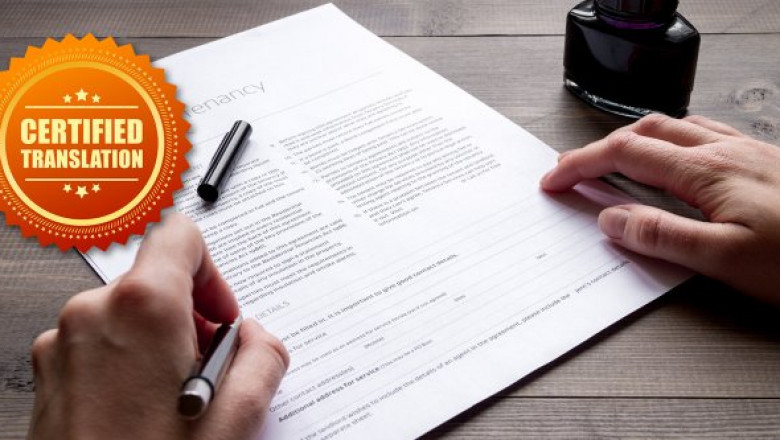
Doing business internationally is common, exciting, and rewarding. But it also brings challenges, particularly when legal documents written in one language must be understood and accepted in another. In Saudi Arabia, where Arabic is the official language for governmental, judicial, and business communications, certified translation in Saudi Arabia plays a crucial role in ensuring that documents are legally valid and recognised by authorities.
Whether you are submitting contracts, licenses, academic certificates, or immigration papers, accurate translation is not just beneficial; it is often mandatory.
What Is Certified Translation and Why Does It Matter
Certified translation in Saudi Arabia means that a qualified translator converts a document from one language into Arabic (or vice versa) and certifies that the translation is a true and faithful representation of the original text. This certification typically includes the translator’s signature, contact details, and a declaration confirming authenticity. Such certification elevates a translation from a simple linguistic exercise to an officially recognized legal document. Without it, government agencies, courts, educational institutions, and regulatory bodies may reject or refuse to process your paperwork.
Certified translation ensures both language and legal meaning are preserved. Even minor errors or misinterpretations can result in costly delays, disputes, or legal complications. Legal documents, contracts, and official filings require a high level of accuracy and precision, and certified translation provides exactly that.
Legal Validity and Official Acceptance
Legal validity depends not only on the words used but on the legal concepts being accurately conveyed across languages. Government authorities and pro services company in Saudi Arabia require certified translations when reviewing official documents to ensure that the translated language matches the legal intent of the original document. This requirement applies to a wide range of official purposes, including visas, immigration paperwork, business registrations, and court filings.
For instance, when a foreign investor submits incorporation documents for approval, those documents must be translated and certified before the authorities accept them. Certified translation ensures legal accuracy, preventing misunderstandings that could delay approval or create future disputes.
Maintaining Accuracy With Certified Professionals
Legal documents often contain specialized terminology and complex expressions that go beyond basic translation. Professional certified translators are trained not only in multiple languages but also in legal terminology and local requirements to ensure translations reflect the precise meaning of the original.
Accuracy goes beyond words. To maintain legal validity:
- Every term and legal implication must be represented correctly.
- Legal context must be preserved to ensure authorities interpret the translation exactly as intended.
- Translations must adhere to certification requirements mandated by government entities.
Poorly translated legal documents can result in rejection, processing delays, or legal challenges. Professional certified translation eliminates these risks by providing accuracy and reliability recognized by official bodies.
Why Cultural and Legal Context Matters
Language is closely tied to culture, and words, phrases, and legal expressions often reflect societal norms and legal systems that may not have direct equivalents in another language. A certified translator with expertise in both the source language and Saudi legal standards can bridge these gaps accurately.
Translating documents such as employment contracts from English to Arabic goes beyond literal word-for-word translation. It requires a clear understanding of Saudi labor laws and contractual obligations so that both employers and employees interpret the same rights and responsibilities. Certified translation in Saudi Arabia ensures precision, legal accuracy, and full contextual integrity for official and legal documents.
When You Need Certified Translation
Certified translation is essential for a variety of legal and official needs in Saudi Arabia. Some common cases include:
- Immigration Documents: Birth certificates, marriage certificates, passports, or legal affidavits are required for immigration.
- Business Filings: Company registration papers, commercial contracts, shareholder agreements, and regulatory submissions.
- Academic Credentials: Transcripts, diplomas, and certificates for employment, higher education, or professional licensing.
- Legal Proceedings: Court documents and evidence submitted in judicial proceedings
In each scenario, certified translation provides a layer of accountability, ensuring that authorities accept the documents as accurate, complete, and legally valid.
How the Certified Translation Process Works
Certified translation involves a structured process to ensure reliability and legal acceptance:
- Expert Translation: Professional translators convert all sections of the original document, including signatures and official stamps.
- Certification Statement: A declaration is attached, confirming that the translation is accurate and true to the original.
- Official Signatures or Stamps: Depending on regulations, official stamps or translator signatures may be included to meet local requirements.
These steps ensure that the final translated document is legally recognized and ready for use in official, business, or judicial contexts.
Certified Translation and PRO Services Company in Saudi Arabia
Certified translation often integrates with broader PRO services company in Saudi Arabia offerings. PRO services help businesses navigate administrative procedures, including document filing, regulatory compliance, licensing, and liaison with ministries. By combining certified translation with PRO services, businesses ensure that legal documents, visas, company registration forms, and other submissions are processed efficiently, minimizing delays and risks.
Working with a professional PRO services company streamlines these processes, giving businesses a smoother path to compliance and growth while ensuring all documents meet official requirements. Certified translation becomes part of a comprehensive approach to handling legal and administrative matters in the Kingdom.
Conclusion
Certified translation in Saudi Arabia is more than a formal requirement; it is a vital component for ensuring the legal validity of documents used in official, business, and government contexts. By guaranteeing accurate translations, certified recognition, and compliance with local standards, businesses and individuals avoid delays, misinterpretations, and legal complications. Investing in certified translation ensures smooth communication, regulatory compliance, and success in cross-border transactions.
Innovation SA offers expert certified translation and comprehensive PRO services in Saudi Arabia. Their team supports businesses and individuals with document certification, company setup, visa processing, and legal compliance, providing professional, efficient, and reliable solutions for all administrative and legal needs in the Kingdom.
Table of Contents

