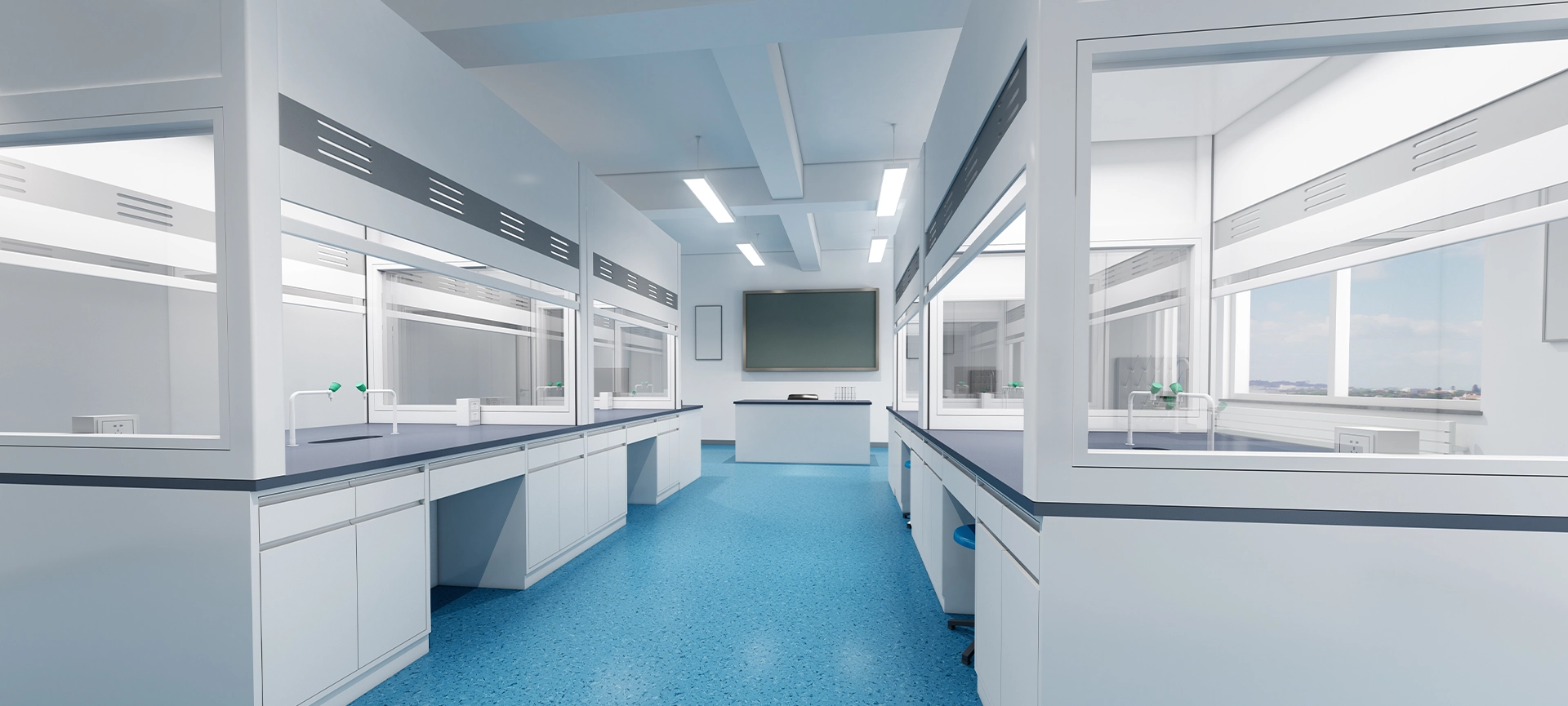
Cleanrooms are essential infrastructure for industries that require strict environmental control, including pharmaceuticals, biotechnology, semiconductor manufacturing, and medical devices. These controlled environments are designed to minimize contamination, maintain product integrity, and ensure compliance with stringent regulatory standards.
As facility requirements become more complex, organizations are shifting toward integrated delivery models that streamline design, construction, and validation. One such approach is the Turnkey Cleanroom, which combines all project stages into a unified system designed to improve both efficiency and regulatory compliance.
Integrated Project Delivery for Better Efficiency
Traditional cleanroom construction often involves multiple contractors working in separate phases. This fragmented approach can lead to delays, miscommunication, and inconsistent execution. In contrast, turnkey delivery integrates all phases under a single coordinated system.
This integration significantly improves efficiency by reducing project fragmentation and ensuring that all stakeholders work toward the same timeline and objectives.
Key efficiency improvements include:
- Faster decision-making through centralized project management
- Reduced coordination delays between engineering teams
- Parallel execution of design, procurement, and construction
- Fewer disruptions caused by redesign or rework
By aligning all activities from the start, turnkey systems minimize downtime and accelerate project completion.
Streamlined Engineering Enhances Operational Performance
Engineering plays a critical role in cleanroom performance. HVAC systems, filtration units, airflow design, and structural components must all work together seamlessly to maintain controlled conditions.
In turnkey cleanroom projects, engineering disciplines are integrated early in the planning phase. This ensures that mechanical, electrical, and structural systems are fully compatible before construction begins.
This approach results in:
- Optimized airflow and pressure control systems
- Improved energy efficiency in HVAC operations
- Better spatial planning for equipment and personnel flow
- Reduced risk of system conflicts during installation
The result is a more stable and efficient operational environment.
Faster Compliance Through Built-In Validation
Regulatory compliance is one of the most important aspects of cleanroom development. Facilities must meet strict standards such as ISO classifications and GMP requirements, depending on the industry.
In traditional models, validation is often conducted after construction, which can lead to costly modifications if systems fail to meet standards. Turnkey delivery addresses this challenge by integrating compliance requirements from the design stage.
Validation planning includes:
- Airflow and particle control testing
- HEPA/ULPA filter efficiency verification
- Pressure differential monitoring
- Environmental condition calibration
By embedding compliance into the engineering process, turnkey systems reduce the likelihood of non-conformance and streamline certification.
Reduced Risk of Project Delays
Delays in cleanroom projects can have significant financial and operational consequences, especially in industries with strict production timelines. Fragmented construction methods often contribute to delays due to coordination issues and dependency between contractors.
Turnkey approaches reduce these risks by centralizing responsibility. Since one team manages the entire process, scheduling conflicts are minimized and project milestones are more effectively controlled.
This leads to:
- More predictable project timelines
- Fewer delays caused by miscommunication
- Improved material and resource planning
- Faster transition from construction to operation
Improved Quality Control Across All Phases
Quality control is essential in cleanroom environments where even minor defects can impact performance. In traditional setups, quality standards may vary between contractors, leading to inconsistencies.
Turnkey systems maintain consistent quality standards across all project phases. From material selection to final validation, the same engineering team oversees execution, ensuring uniformity and precision.
This consistency helps achieve:
- Higher reliability of installed systems
- Reduced maintenance issues after commissioning
- Better adherence to design specifications
- Stronger long-term facility performance
Cost Efficiency Through Unified Management
Managing multiple contractors often leads to unexpected costs, scope changes, and inefficiencies. Turnkey cleanroom projects offer better cost control by consolidating responsibilities under a single contract.
This unified approach allows for more accurate budgeting and reduces the risk of hidden expenses during construction.
Cost benefits include:
- Reduced administrative overhead
- Fewer change orders during construction
- Efficient procurement of materials and equipment
- Lower risk of rework-related expenses
Conclusion
Turnkey cleanroom solutions provide a structured and integrated approach that significantly improves both efficiency and compliance. By combining engineering, construction, and validation under one coordinated system, organizations can reduce delays, enhance quality control, and ensure regulatory readiness.
As industries continue to demand faster project delivery and stricter compliance standards, integrated models such as a Turnkey Cleanroom offer a reliable and effective solution for building high-performance controlled environments.
Table of Contents