



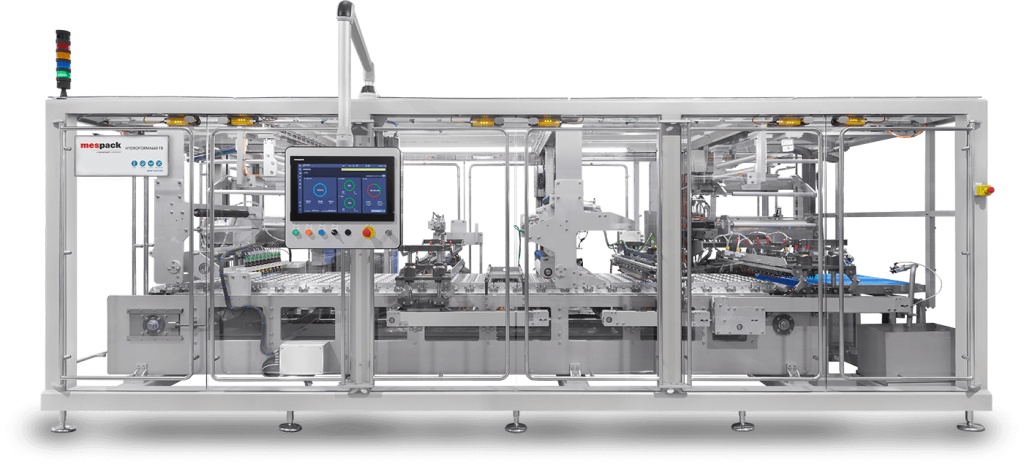
Water soluble packaging machines have become an essential tool in modern manufacturing, particularly in industries like detergents, cleaning products, pharmaceuticals, and healthcare. These machines use water soluble films to create single-dose packages that dissolve completely in water, providing convenience, precise dosing, and environmental sustainability. Beyond these benefits, one of the key advantages of using water soluble packaging machines is their ability to enhance product consistency and hygiene, two critical factors for consumer safety and satisfaction.
Enhancing Product Consistency
Consistency in product packaging ensures that each unit meets predefined standards in terms of weight, size, and content. Inaccurate dosing or inconsistent packaging can lead to product inefficiency, customer dissatisfaction, or even safety concerns, especially in pharmaceuticals and concentrated chemical products. Traditional manual packaging methods are prone to variability due to human error, fatigue, or inconsistency in handling delicate water soluble films.
Water soluble packaging machines eliminate these inconsistencies by automating key processes such as film feeding, filling, sealing, and cutting. Precise dosing systems, whether volumetric, servo-controlled, or auger-based, ensure that each package contains the exact amount of product required. In the middle of this process, a reliable Water Soluble Packaging Machine integrates multiple control systems to maintain uniformity across high-speed production lines. By reducing variation in product content and packaging, manufacturers can ensure consistent quality, improve customer trust, and minimize product waste.
Maintaining Hygiene Standards
Hygiene is a top priority in industries like pharmaceuticals, healthcare, and food-related cleaning products. Traditional packaging methods involve extensive manual handling, which increases the risk of contamination. Even minor contamination can compromise product safety, affect efficacy, and damage brand reputation.
Water soluble packaging machines enhance hygiene by minimizing direct human contact with the product. Automated systems handle filling, sealing, and packaging within controlled environments, reducing exposure to dust, bacteria, or other contaminants. Many machines are designed with stainless steel components and enclosed operating areas, which are easy to clean and resistant to corrosion or chemical damage. These features ensure that products remain sterile and safe until they reach the consumer.
Sealing Precision and Film Protection
Proper sealing is crucial for maintaining both product consistency and hygiene. Water soluble films are delicate and sensitive to moisture and temperature. Inadequate sealing can lead to leakage, contamination, or premature dissolution of the film. Modern water soluble packaging machines use advanced sealing technologies such as heat sealing or ultrasonic sealing, which apply precise pressure and temperature for consistent results.
By controlling sealing conditions automatically, these machines prevent variations in package integrity and ensure that each unit is securely enclosed. Consistent seals protect the product from environmental factors, maintain dosage accuracy, and reduce the risk of contamination during transportation or storage.
Automation and Process Monitoring
Another way water soluble packaging machines improve product consistency and hygiene is through automation and real-time monitoring. Sensors and software systems track parameters such as fill volume, sealing temperature, film tension, and production speed. If an anomaly is detected, the machine can automatically adjust settings or alert operators to prevent defects.
This level of process control reduces the likelihood of packaging errors, maintains consistent output, and ensures compliance with hygiene and safety regulations. In high-speed production environments, automated monitoring is particularly important because it allows continuous quality assurance without slowing down the production line.
Applications Across Industries
Water soluble packaging machines are widely used in several sectors where consistency and hygiene are critical. In the detergent and cleaning products industry, pre-measured laundry pods, dishwasher capsules, and concentrated cleaning agents benefit from accurate dosing and protective packaging. Industrial and commercial cleaning applications also require precise, hygienic packaging to reduce risks for operators and ensure effective product performance.
In pharmaceuticals and healthcare, single-dose medications, powders, gels, and disinfectants rely on water soluble packaging to maintain sterility and dosage accuracy. Hospitals, clinics, and laboratories benefit from pre-packaged units that minimize handling risks and maintain compliance with hygiene standards. The consistent output provided by these machines ensures reliable treatment and safe application for end-users.
Maintenance and Best Practices
Maintaining water soluble packaging machines is crucial for sustained product consistency and hygiene. Regular cleaning of rollers, molds, and sealing components prevents contamination and ensures smooth operation. Calibration of dosing systems, sealing temperature, and film tension guarantees accurate and uniform packaging. Proper operator training further supports safe handling of sensitive films and reduces the risk of errors or contamination.
Conclusion
Water soluble packaging machines play a vital role in improving product consistency and hygiene across multiple industries. By automating critical processes, ensuring precise dosing, maintaining sealing accuracy, and reducing human contact, these machines provide reliable, high-quality packaging for delicate water soluble products. The result is enhanced product safety, consistent dosage, and improved consumer confidence. With proper maintenance, process monitoring, and advanced machine design, manufacturers can leverage water soluble packaging machines to meet stringent hygiene standards while maintaining operational efficiency and sustainability.
Table of Contents

